
Uncategorized
What To Review Before Moving Into July Fertility Management
Late June is a useful moment to slow down and look at the whole growing system. By now, the season has enough history to teach

Winter doesn’t mean lawn care comes to a halt. While it may seem dormant, your lawn still benefits from a bit of attention during the colder months, which lays the groundwork for a vibrant, resilient yard come spring. With a few simple adjustments, you can keep your lawn protected and ready to thrive once warmer days return.
Here are seven essential tips to help you keep your lawn healthy this winter, ensuring it’s lush and green when spring arrives.
As temperatures cool, lower your mowing height gradually, but don’t cut it too short—keeping the grass slightly taller protects it from frost and helps it retain sunlight for energy storage. Avoid mowing if there’s frost or snow on the grass to prevent blade damage.
A final trim at a slightly reduced height insulates the grass, preparing it for a restful winter, and be sure to sharpen your mower blades for a cleaner cut, reducing stress on the grass.
Fall fertilization provides essential nutrients to strengthen grass for winter. A potassium-rich fertilizer is ideal; potassium supports root strength, helping grass withstand frost and resist disease. Opt for a slow-release fertilizer that continues feeding the grass throughout winter, or consider natural fertilizers to enrich the soil sustainably.
By fortifying roots with nutrients now, you set the stage for a quick, strong recovery when growth resumes in spring.
Winter weeds, like chickweed and dandelions, often appear as temperatures drop, so tackle them early to prevent them from spreading. Applying a pre-emergent herbicide in early fall can stop weeds before they start. If weeds do emerge, regular manual removal or targeted post-emergent herbicides can control them and keep your grass healthy.
Weed prevention now reduces competition for nutrients, allowing your grass to grow stronger and healthier come spring.
Fall is the ideal time to overseed thin or bare patches in your lawn. Cooler temperatures encourage new grass growth, filling in sparse areas and giving you a thicker lawn come spring. Choose a seed variety suited to your region and sunlight conditions; perennial ryegrass is a popular choice for cooler weather.
For best results, prepare the soil with a rake and aeration to help seeds establish. Keep the soil moist until new grass takes root, and use a starter fertilizer to nourish the young plants.
Foot traffic, mowing, and natural soil compaction can inhibit root growth by blocking airflow and water absorption. Aerating in fall opens up the soil, allowing better penetration of water and nutrients to reach grass roots.
Core aeration, which removes small plugs of soil, is particularly effective and promotes deep root growth for a stronger, more resilient lawn.
Fallen leaves, while picturesque, can damage your lawn if left to accumulate. A thick blanket of leaves blocks sunlight and creates damp conditions that can encourage mold. Rake leaves regularly or use a mulching mower to chop them into fine pieces that decompose and enrich the soil. Excess leaves can also be composted or used as mulch for garden beds.
Maintaining airflow and sunlight access will keep your lawn healthy and prevent mold growth during winter.
Your lawn needs less water during winter, but it still requires hydration, especially during dry spells. Water deeply but infrequently to encourage root depth without oversaturating the soil. Avoid watering when temperatures drop below freezing to prevent frost damage.
A balanced winter watering schedule ensures roots remain healthy, preventing dry-out and making grass more resilient when growth resumes in spring.
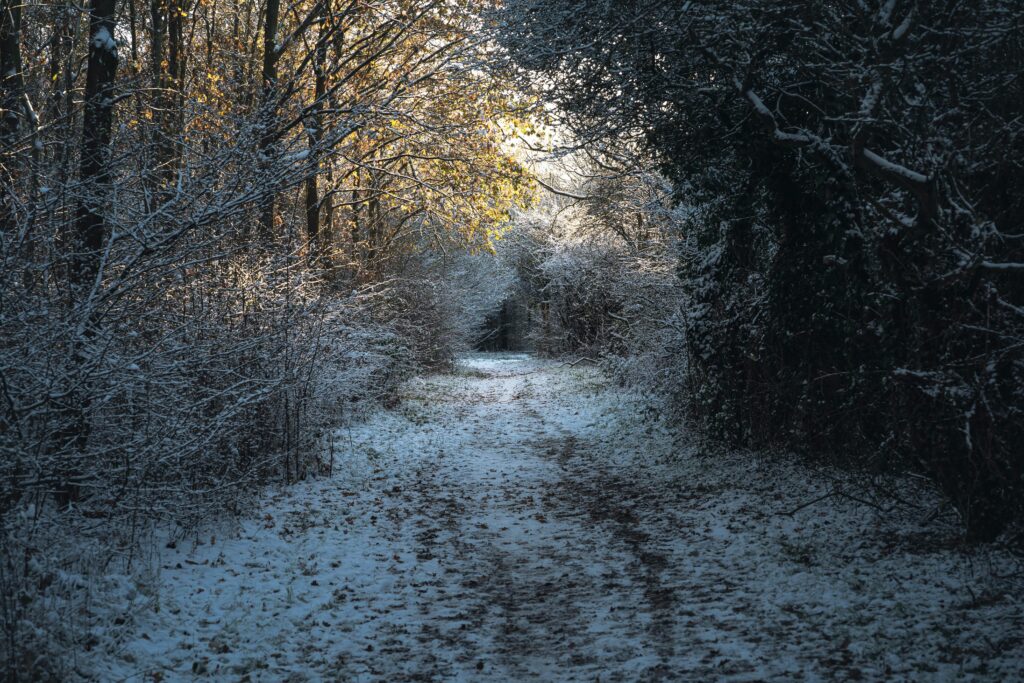
Winter lawn care doesn’t have to be intensive, but the right steps can make a big difference. By adjusting mowing heights, fertilizing strategically, controlling weeds, overseeding, aerating, managing leaves, and watering carefully, you create an environment that protects and strengthens your lawn through the winter. Come spring, your yard will reward you with lush, green growth.
Frequently Asked Questions
What’s the best winter fertilizer for my lawn?
Look for a fertilizer with a balanced blend of nitrogen, phosphorus, and potassium to support root health. Popular choices like Scotts Turf Builder WinterGuard can fortify grass for the cold season, helping it thrive in spring.
How often should I water my lawn in winter?
Water only when soil feels dry, adjusting for reduced evaporation and frost conditions. Avoid watering during frosty weather to prevent root damage.
Can I overseed in winter?
Overseeding in late fall with cool-season grasses like ryegrass is ideal for germination before winter fully sets in. This fills sparse areas, giving you a denser lawn come spring.
Late June is a useful moment to slow down and look at the whole growing system. By now, the season has enough history to teach

Late June is when lawns start showing the truth about summer management. A lawn may have looked strong in May. It may have greened up