

Uncategorized
June Flower Beds: Holding Color Through Heat Without Overfeeding
June flower beds can look strong at the start of the month and tired by the end of it. That is common in both home

Soil pH plays a crucial role in plant nutrient availability. In alkaline soils (pH >7.0), essential nutrients like phosphorus, iron, and zinc become less available, leading to deficiencies and poor plant growth. Ammonium sulfate (21-0-0-24S) is one of the best fertilizers for reducing soil alkalinity while supplying nitrogen and sulfur to plants.
This guide explains how ammonium sulfate corrects alkaline soils, its benefits, and best application practices.
Alkaline soils (pH above 7.0) cause: ✔ Nutrient lock-up – Phosphorus, iron, and zinc become chemically unavailable to plants. ✔ Stunted plant growth – Limited root development and chlorosis (yellowing leaves). ✔ Poor soil structure – High pH leads to excess sodium buildup and compaction.
Ammonium sulfate contains:
Acidification Process: ✔ Ammonium (NH₄⁺) releases hydrogen ions (H⁺) when converted to nitrate, lowering soil pH. ✔ Sulfur converts to sulfuric acid, further reducing alkalinity. ✔ Improves phosphorus, iron, and zinc availability, making them more accessible to plants.
✔ Vegetables – Tomatoes, onions, peppers, and leafy greens.
✔ Field Crops – Corn, wheat, barley, and legumes.
✔ Fruits & Nuts – Blueberries, citrus trees, grapes, and almonds.
✔ Lawns & Gardens – Enhances lush green turf and ornamental plants.
| Crop Type | Ammonium Sulfate Rate (per 1,000 sq. ft.) |
|---|---|
| Lawns | 5–10 lbs (early spring, mid-summer) |
| Vegetables | 2–3 lbs (before planting, mid-season) |
| Fruit Trees | 1–2 lbs per inch of trunk diameter (early growth season) |
| Field Crops | 100–200 lbs per acre (based on soil test) |
✔ Solution: Avoid use in soils with pH below 6.0. ✔ Apply lime if needed to balance pH.
✔ Solution: Ensure proper irrigation to prevent sodium accumulation. ✔ Use organic matter to improve soil structure.
✔ Solution: Apply ammonium sulfate in cooler months or early mornings. ✔ Water immediately after application to prevent volatilization.
Ammonium sulfate is an effective soil amendment for reducing alkalinity, improving nutrient availability, and enhancing crop productivity.
✔ Best for alkaline soils needing nitrogen and sulfur.
✔ Boosts nutrient uptake, especially phosphorus, iron, and zinc.
✔ Improves soil structure, reducing sodium buildup.
✔ Follow best application practices to maximize effectiveness.
June flower beds can look strong at the start of the month and tired by the end of it. That is common in both home
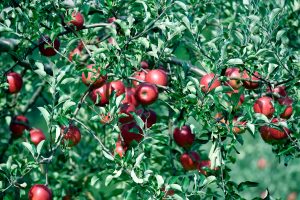
June is an important month for fruit trees and berries because the crop is no longer just setting. It is sizing. Apples, pears, peaches, plums,
Give us a call or visit our store, and we’ll help you find the right solution for your business.
© Supply Solutions LLC 2026