

Uncategorized
June Flower Beds: Holding Color Through Heat Without Overfeeding
June flower beds can look strong at the start of the month and tired by the end of it. That is common in both home
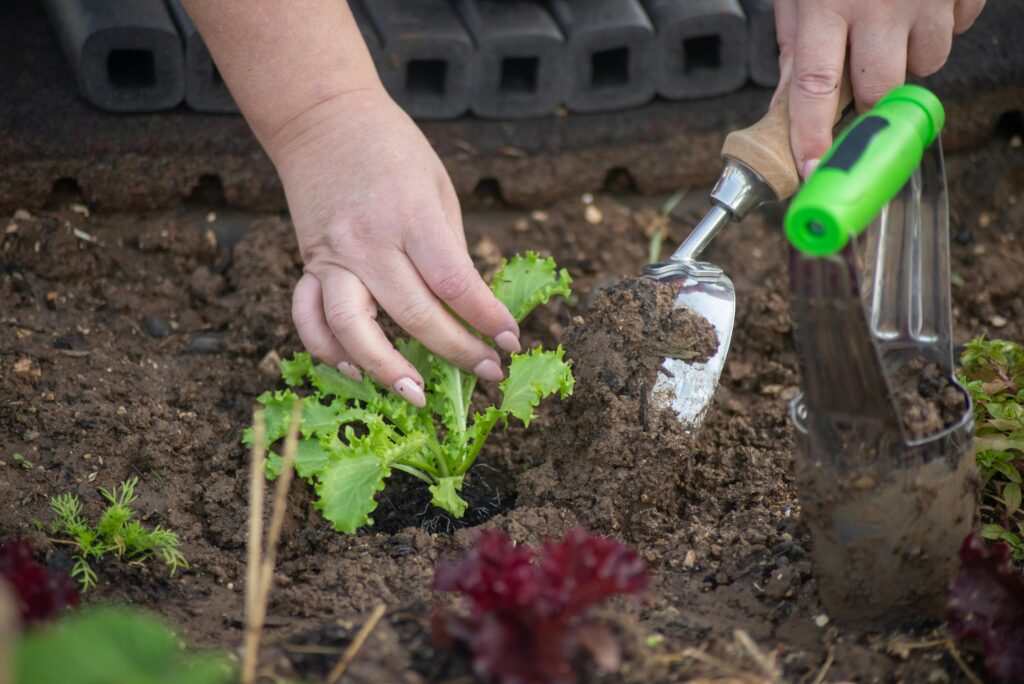
Plants require a balanced nutrient supply to thrive. While individual fertilizers like urea (46-0-0) and ammonium sulfate (21-0-0-24S) provide essential nutrients, combining fertilizers strategically ensures optimal plant health, increased yields, and improved soil fertility.
This guide explores the best fertilizer combinations, how to mix them effectively, and application strategies for home gardens, commercial farms, and lawn care.
✔ Prevents Nutrient Imbalances – Provides a mix of macronutrients (N-P-K) and micronutrients.
✔ Improves Nutrient Uptake Efficiency – Some nutrients enhance the availability of others (e.g., sulfur improves nitrogen use).
✔ Reduces Soil Acidification or Alkalinity – Helps maintain pH balance for long-term soil health.
✔ Maximizes Crop Performance – Tailored nutrient supply for different growth stages.
✔ Purpose: Boosts nitrogen levels while adding sulfur for protein synthesis and chlorophyll production.
✔ Best for: Leafy greens, wheat, corn, and lawns.
✔ Mixing Ratio: 75% urea + 25% ammonium sulfate.
✔ Application Tip: Incorporate into moist soil and water immediately after application.
✔ Purpose: Encourages early root development and vegetative growth.
✔ Best for: Fruit trees, tomatoes, and cereals.
✔ Mixing Ratio: 50% urea + 50% phosphorus fertilizer.
✔ Application Tip: Apply phosphorus pre-planting and top-dress urea during early growth stages.
✔ Purpose: Provides nitrogen, sulfur, and potassium for flowering and fruiting crops.
✔ Best for: Tomatoes, peppers, cucumbers, and fruit trees.
✔ Mixing Ratio: 50% ammonium sulfate + 50% potassium sulfate.
✔ Application Tip: Use as a side-dress fertilizer before fruit set.
✔ Purpose: Improves nitrogen efficiency while providing potassium for strong stems and disease resistance. ✔ Best for: Potatoes, leafy vegetables, and turfgrass.
✔ Mixing Ratio: 60% CAN + 40% potassium nitrate.
✔ Application Tip: Best for neutral or slightly acidic soils.
✔ Purpose: Enhances soil structure while providing nitrogen.
✔ Best for: All crops needing long-term soil fertility improvement.
✔ Mixing Ratio: 75% organic matter + 25% synthetic fertilizer.
✔ Application Tip: Apply compost before planting and use urea or ammonium sulfate as a supplemental feed.
✔ Check Compatibility Before Mixing
✔ Use Split Applications for Maximum Efficiency
✔ Adjust Based on Soil pH
✔ Incorporate Fertilizer Into Soil
✔ Follow Recommended Application Rates
| Fertilizer Mix | Application Rate per 1,000 sq. ft. |
|---|---|
| Urea + Ammonium Sulfate | 5–10 lbs |
| Urea + Phosphorus | 3–5 lbs |
| Ammonium Sulfate + Potassium Sulfate | 4–8 lbs |
| CAN + Potassium Nitrate | 3–7 lbs |
| Organic Compost + Synthetic Fertilizer | 10–20 lbs |
✔ Combining fertilizers ensures balanced plant nutrition and improved soil health.
✔ Select compatible fertilizers and apply at the right growth stage for best results.
✔ Monitor soil pH and nutrient levels to avoid deficiencies and over-fertilization.
✔ Use split applications and irrigation to maximize nutrient efficiency.
June flower beds can look strong at the start of the month and tired by the end of it. That is common in both home
June is an important month for fruit trees and berries because the crop is no longer just setting. It is sizing. Apples, pears, peaches, plums,
Give us a call or visit our store, and we’ll help you find the right solution for your business.
© Supply Solutions LLC 2026