

Uncategorized
June Flower Beds: Holding Color Through Heat Without Overfeeding
June flower beds can look strong at the start of the month and tired by the end of it. That is common in both home
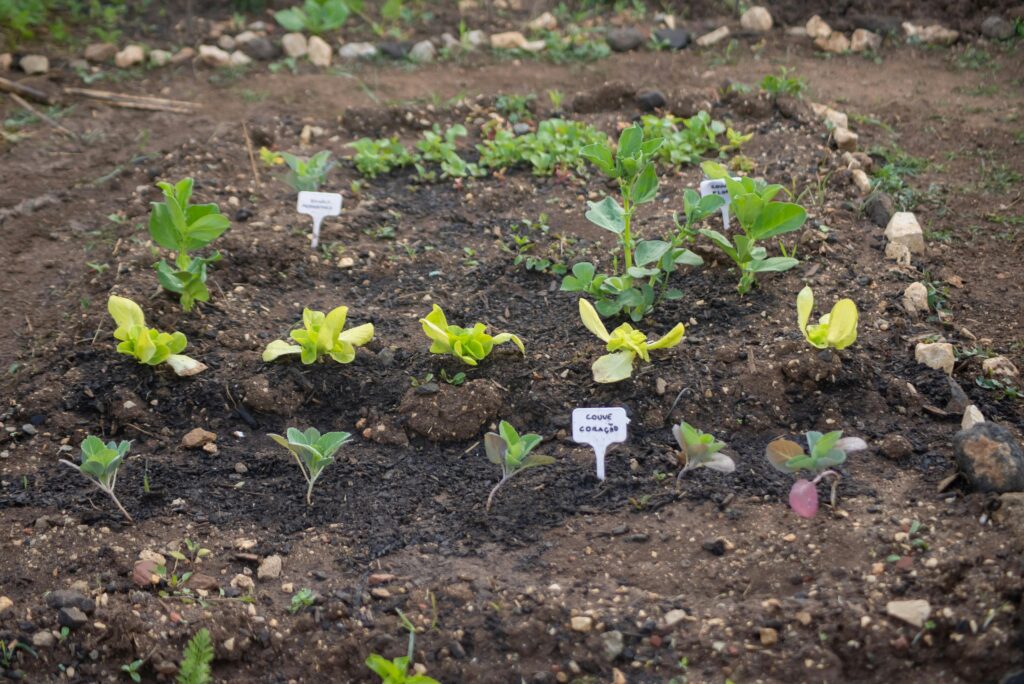
Sulfur is an essential nutrient for plant growth, playing a crucial role in protein formation, enzyme activation, and chlorophyll production. Ammonium sulfate (21-0-0-24S) is a widely used fertilizer that supplies both nitrogen and sulfur, making it ideal for crops that require balanced nutrition.
This guide explores why sulfur is important for plant health, how ammonium sulfate provides sulfur, and best practices for its application.
✔ Aids in Protein and Enzyme Formation – Sulfur is a component of amino acids like cysteine and methionine, which are vital for protein synthesis.
✔ Essential for Chlorophyll Production – Sulfur helps plants produce and maintain chlorophyll, preventing yellowing (chlorosis).
✔ Improves Nitrogen Use Efficiency – Enhances nitrogen uptake and boosts plant metabolism.
✔ Increases Disease Resistance – Strengthens cell walls, making plants more resilient to disease.
✔ Enhances Crop Quality – Improves flavor, oil content, and market value of crops like onions, garlic, and legumes.
Ammonium sulfate contains:
Unlike elemental sulfur, which takes time to convert into a plant-usable form, ammonium sulfate supplies readily available sulfate, ensuring plants receive sulfur as soon as they need it.
⚠ Yellowing of Young Leaves – Unlike nitrogen deficiency (which affects older leaves first), sulfur deficiency starts in new leaves.
⚠ Stunted Growth – Plants appear weak with thin stems and poor branching.
⚠ Delayed Maturity – Crops take longer to reach harvestable size.
⚠ Reduced Oil and Protein Content – Affects oilseed crops like canola, soybeans, and sunflower.
| Crop Type | Ammonium Sulfate Rate (lbs per acre) |
|---|---|
| Wheat, Corn, Barley | 100–150 lbs |
| Soybeans, Canola, Sunflower | 150–200 lbs |
| Leafy Vegetables (Spinach, Lettuce, Cabbage) | 50–100 lbs |
| Onions, Garlic, Brassicas | 120–180 lbs |
✔ Pair with phosphorus (MAP or DAP) for root growth and early development.
✔ Combine with potassium sulfate for fruiting crops.
✔ Use with controlled-release nitrogen sources to supply nutrients gradually.
| Fertilizer | Sulfur Content (%) | Sulfur Form | Availability to Plants |
| Ammonium Sulfate (21-0-0-24S) | 24% | Sulfate (SO₄²⁻) | Immediate |
| Elemental Sulfur | 90% | Sulfur (S) | Slow-release |
| Gypsum (Calcium Sulfate) | 17% | Sulfate (SO₄²⁻) | Moderate |
| Ammonium Thiosulfate (12-0-0-26S) | 26% | Thiosulfate (S₂O₃²⁻) | Slow-release |
✔ Sulfur is a critical nutrient for plant health, influencing growth, protein synthesis, and chlorophyll production.
✔ Ammonium sulfate provides immediately available sulfur, ensuring optimal crop nutrition.
✔ Applying ammonium sulfate at the right time and rate improves nitrogen efficiency and enhances yield quality.
✔ Soil testing and proper fertilization planning are essential for preventing sulfur deficiencies.
June flower beds can look strong at the start of the month and tired by the end of it. That is common in both home
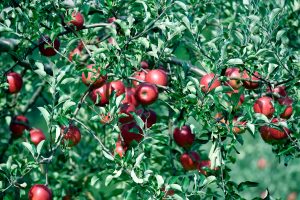
June is an important month for fruit trees and berries because the crop is no longer just setting. It is sizing. Apples, pears, peaches, plums,
Give us a call or visit our store, and we’ll help you find the right solution for your business.
© Supply Solutions LLC 2026