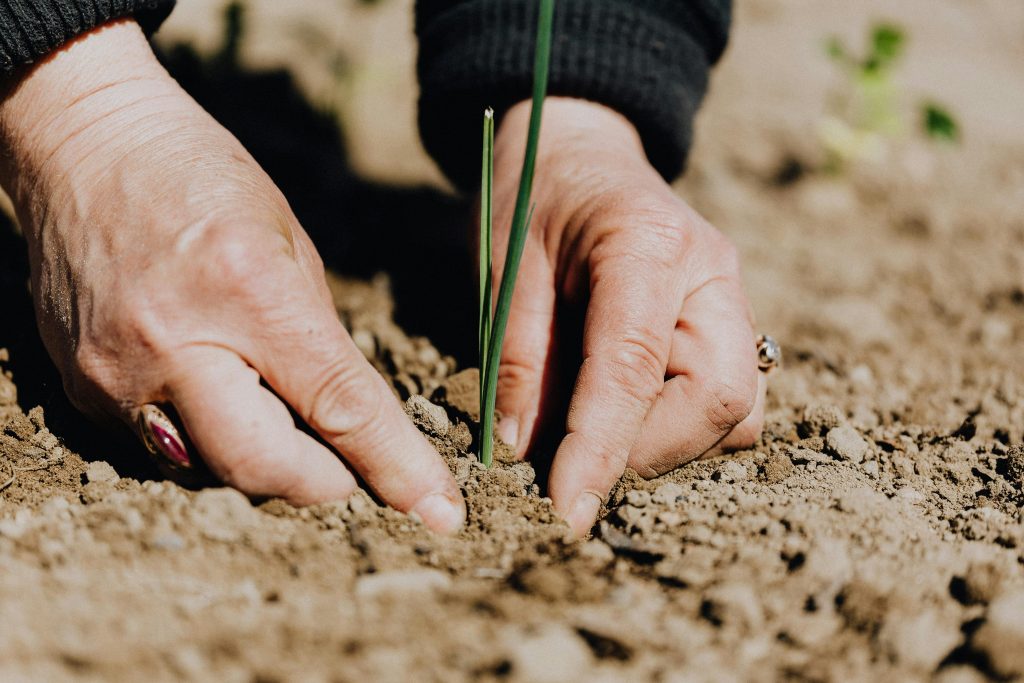
As the days grow shorter and temperatures begin to drop, plants across your lawn, garden, and landscape undergo a significant shift. They prepare to slow down, enter dormancy, and conserve energy for the months ahead. To the casual observer, this might seem like a time to stop fertilizing altogether. But in reality, this transition from fall into winter is one of the most important times to apply a final dose of complete, balanced nutrition.
Enter 16-16-16 fertilizer, a premium-grade granular blend offering equal parts nitrogen, phosphorus, and potassium. Often referred to as “triple sixteen,” this formulation helps lawns, trees, shrubs, perennials, and even vegetables stockpile the nutrients they need to endure the stresses of winter and emerge vigorous in spring.
In this post, we will explore the science behind why plants benefit from fall nutrition, the specific strengths of the 16-16-16 formulation, and exactly how and when to apply it for the best results. We will also discuss how this product works in synergy with your other fall and winter fertilizers, and why this one step could be the most critical part of your seasonal plant care strategy.
You can order Supply Solutions 16-16-16 All-Purpose Granular Fertilizer here:
https://www.mysolutionssupply.com/product/16-16-16-all-purpose-granular-fertilizer/
Why Fall Nutrition Matters for Plant Survival
During the fall months, plant growth visibly slows, but what happens beneath the soil is just as important as what happens above it. While leaves may yellow and drop, root systems remain active well into the season. Roots continue to grow, absorb water, and take in nutrients for storage. These stored nutrients are then used throughout dormancy to:
- Maintain basic metabolic functions
- Fuel early spring regrowth
- Improve resilience to cold, drought, and disease
- Strengthen cell walls to prevent frost damage
- Support microbial activity in the rhizosphere
Without an ample reserve of essential nutrients, especially nitrogen, phosphorus, and potassium, plants may suffer from poor spring performance, delayed greening, and higher winterkill rates.
The Science Behind 16-16-16 Fertilizer
The 16-16-16 formulation is classified as a balanced fertilizer. Each number represents the percentage by weight of three critical macronutrients:
- 16% Nitrogen (N) – Promotes leaf and stem development, supports chlorophyll production, and assists in protein synthesis. Fall nitrogen helps evergreens stay green and gives turfgrasses a stronger start next spring.
- 16% Phosphorus (P) – Encourages root growth, energy transfer, and flower bud development. In fall, phosphorus supports deep root development that anchors plants and improves nutrient uptake.
- 16% Potassium (K) – Boosts cold hardiness, disease resistance, and water efficiency. It is critical for winter prep, helping cell walls resist freezing and improving dormancy success.
What sets 16-16-16 apart from other fertilizers is its even distribution. Unlike specialty blends that favor a single nutrient, this fertilizer covers all bases, which is ideal for general soil replenishment in preparation for winter.
Ideal Crops and Plants to Feed in Late Fall
16-16-16 Fertilizer is suitable for virtually all plant types. However, some plants benefit significantly when fed in the weeks leading up to winter.
1. Lawns
Cool-season grasses such as Kentucky bluegrass, fescue, and ryegrass thrive with a fall feeding. Nitrogen supports green color retention through late fall, while phosphorus and potassium fortify the root system. Apply after the last mow but before the ground freezes.
2. Trees and Shrubs
Woody plants benefit from phosphorus and potassium more than nitrogen in the fall. A balanced fertilizer like 16-16-16 ensures that all nutrient bases are covered without overstimulating new leaf growth.
3. Perennial Flowers
Perennials store energy in their root systems for next season’s bloom. Fall feeding helps them set strong buds and supports overwintering survival.
4. Vegetables
Fall-grown brassicas like cabbage, kale, and broccoli still need nutrients, especially phosphorus for head formation. Root crops like carrots and beets benefit from potassium to develop sweetness and density.
5. Fruit Trees
After fruit harvest, trees like apple, pear, and plum need a post-season feeding. Phosphorus and potassium help with carbohydrate storage, flower bud formation, and disease resistance through winter.
How to Apply 16-16-16 in the Fall
Proper application technique is just as important as choosing the right fertilizer. Here’s how to maximize your fall feeding results.
Timing Recommendations
Apply 16-16-16 once temperatures consistently drop below 65°F but before the ground freezes. This is typically:
- Zones 3–5: Late September to early October
- Zones 6–7: Early to mid-October
- Zones 8–9: Late October to early November
If applying to turfgrass, wait until the lawn slows in growth but is still green.
Application Rates
General guideline:
5 to 7 pounds per 1,000 square feet
or
½ to 1 cup per plant for shrubs and small trees
Always water in thoroughly after applying. This activates the granules and moves nutrients into the root zone.
Method of Application
- Broadcast Spreader – Ideal for large lawns and garden beds
- Hand Application – Effective around individual plants and trees
- Fertigation Systems – For farms or large commercial landscapes
Avoid applying fertilizer directly against stems or trunks. Keep product a few inches away from the base of the plant.
Pairing 16-16-16 with Other Fall Fertilizers
While 16-16-16 provides balanced coverage, it can be part of a larger winterization program when paired with other specialty fertilizers:
Use 16-16-16 as your foundation, then supplement with other products as needed based on plant type or soil test recommendations.
Soil Testing Before Fertilizing
Not all soils require equal levels of nutrients. A professional soil test identifies your current nutrient levels and pH status, allowing for smarter fertilizer decisions.
Consider testing your soil if:
- You’ve never fertilized the area
- You are establishing new landscaping
- You’ve noticed poor performance or yellowing leaves
- You are managing food crops or commercial plants
Supply Solutions LLC offers reliable soil testing services for growers, homeowners, and landscapers across the U.S. Contact us to schedule yours.
Common Misconceptions About Fall Fertilization
“Fertilizer stimulates growth. I do not want plants to grow in winter.”
Not true with balanced fall applications. Nutrients are not forcing new growth but are instead being stored in roots and stems for spring use.
“It is too late to fertilize in October.”
Unless the ground is frozen, roots remain active. In many zones, roots grow well into late fall and early winter, especially if moisture is adequate.
“I only need to fertilize in spring.”
Spring feeding promotes new growth, but fall feeding builds reserves. Skipping fall fertilization leads to weaker spring emergence.
“Organic fertilizers are always better.”
Organic sources are excellent but slow-acting. In cold soil, mineral-based fertilizers like 16-16-16 are more predictable and effective.
Final Checklist for Fall Application
Before wrapping up your outdoor fertilizing tasks, run through this checklist:
- Apply after top growth slows
- Water deeply after application
- Keep product off hard surfaces to prevent runoff
- Test soil if unsure of needs
- Store leftover product in a dry, cool place for spring use
Where to Buy
If you’re ready to prep your plants for winter, order your bag of Supply Solutions 16-16-16 Fertilizer today:
https://www.mysolutionssupply.com/product/16-16-16-all-purpose-granular-fertilizer/
This premium-grade fertilizer is ideal for late-season use and ensures your soil and root systems are nourished when it matters most.
For help with application strategies, contact us through our form, message us on Facebook, call 503-451-1622, or email sales@mysolutionssupply.com. The team at Supply Solutions LLC is here to support you all year long.