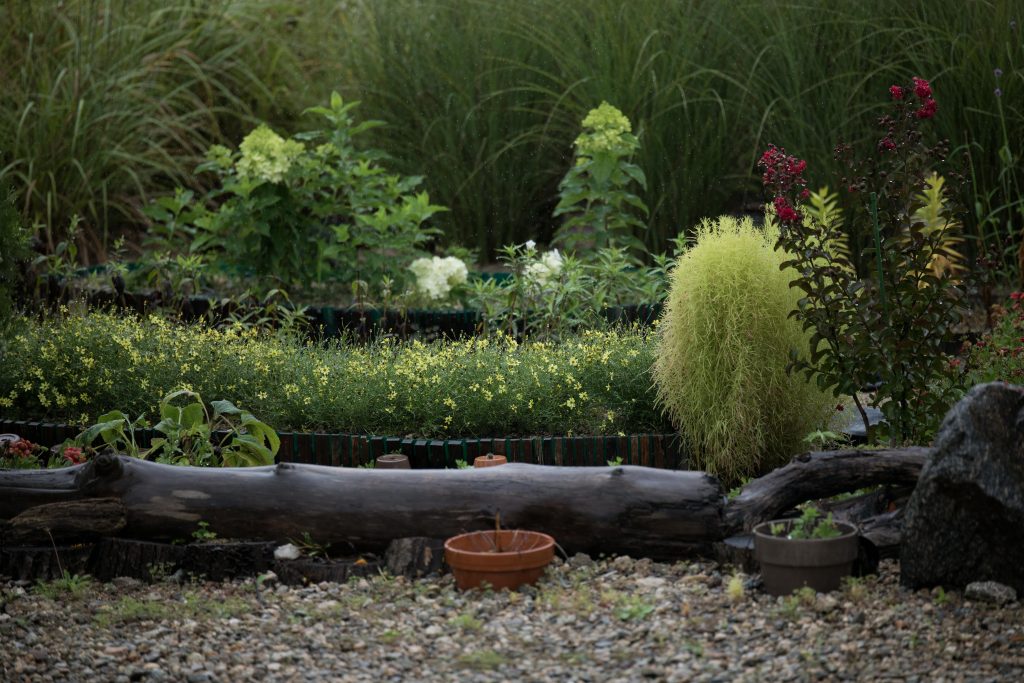
Woody plants and ornamental shrubs are often considered low-maintenance compared to fast-growing vegetables or delicate flowers, but that doesn’t mean they don’t need special attention—especially as the seasons change. As fall progresses and temperatures begin to dip, the health of your trees and shrubs depends on one crucial factor: nutrition. Providing balanced, slow-releasing nutrients before winter sets in allows woody plants to build resilience, strengthen root systems, and emerge healthier in the spring.
This is where 16-16-16 All-Purpose Granular Fertilizer becomes essential. Known for its evenly balanced nitrogen (N), phosphorus (P), and potassium (K) ratio, this fertilizer supports a wide range of plant functions—making it one of the most efficient ways to prepare woody species for dormancy and regrowth.
Supply Solutions 16-16-16 All-Purpose Granular Fertilizer is designed to help shrubs and trees enter winter with energy reserves and nutrient balance that give them a head start when spring arrives.
Let’s explore why applying this fertilizer in fall is a smart strategy for woody plants, and how to do it right.
Why Woody Plants Need Fall Fertilization
Woody perennials store carbohydrates in their roots over the winter months to fuel spring growth. For this to happen, they must first complete their seasonal processes—leaf senescence, hardening off, root expansion—and then store enough nutrients to last through dormancy.
But depleted soils can halt this process. If a tree or shrub has spent the growing season extracting nitrogen for foliage development, phosphorus for bloom support, and potassium for stress tolerance, it may have nothing left in reserve. Fertilizing in fall ensures that reserves are built before the plant enters its winter sleep.
What 16-16-16 Brings to the Table
A triple 16 formulation provides equal parts nitrogen, phosphorus, and potassium—meaning no nutrient is left behind. This balanced formula is key for woody plants, where multiple functions need to be supported at once:
- Nitrogen (N): Supports late-season photosynthesis and chlorophyll retention in evergreen shrubs. Even after deciduous trees drop their leaves, root systems remain active and benefit from nitrogen.
- Phosphorus (P): Promotes root development and the transfer of sugars from leaves to storage tissues. This is vital for energy conservation over the winter months.
- Potassium (K): Strengthens cell walls, improves disease resistance, and enhances the plant’s cold-hardiness. Potassium is crucial in helping plants tolerate frost, wind, and freezing temperatures.
The even NPK profile makes this fertilizer ideal for a broad spectrum of woody species—from boxwoods and junipers to maples, oaks, dogwoods, and fruit-bearing trees.
Best Application Timing
The best time to apply 16-16-16 to woody plants is in early to mid-fall, depending on your USDA growing zone. You want to feed plants after the primary growing season has ended but before the ground freezes.
- In northern states, early to mid-September is usually ideal.
- In central and southern zones, aim for late September to mid-October.
This timing ensures that the nutrients are absorbed and stored rather than being directed toward new top growth, which could be damaged by frost.
How to Apply for Maximum Effect
- Measure Root Zones: For shrubs, apply the fertilizer evenly under the canopy area (drip line). For trees, apply in a wide ring about 2–3 feet from the trunk extending outward to the drip line.
- Calculate Rate: A general rate is 1/2 to 1 pound of fertilizer per 100 square feet, depending on plant size and soil fertility. Always follow the product label for specific recommendations.
- Water Thoroughly: After broadcasting the fertilizer, water deeply to help nutrients move into the root zone.
- Avoid Over-fertilizing: Excess nitrogen late in the season can trigger tender new growth, which will be vulnerable to winter kill.
Pairing with Soil Amendments
Before fall fertilization, consider doing a quick soil test to check for imbalances or deficiencies. If your soil is compacted or low in organic matter, apply compost or a soil conditioner first to ensure nutrients can be absorbed effectively. Pairing Supply Solutions 16-16-16 with healthy soil structure maximizes its benefits.
Key Benefits for Common Woody Species
Here’s how this balanced fertilizer supports different types of woody plants:
- Evergreen Shrubs (Boxwood, Holly, Juniper): Supports green color and winter vigor. Reduces browning and tip burn during cold snaps.
- Deciduous Trees (Maple, Oak, Birch): Promotes healthy bud set for next year, strengthens roots for stability and spring flush.
- Flowering Shrubs (Azalea, Forsythia, Viburnum): Helps retain flower bud integrity and reduces winter dieback.
- Fruit Trees (Apple, Pear, Peach): Enhances next season’s bloom and fruit set potential by building up stored carbohydrates.
Common Fall Fertilizing Mistakes to Avoid
- Too Late: Applying fertilizer after a hard frost or once the ground is frozen is ineffective. Nutrients won’t be absorbed and may leach away.
- Too Close to Trunk: Fertilizer should never be piled against the base of a tree or shrub. This can burn bark and lead to disease entry points.
- Ignoring Watering: Dry roots won’t absorb nutrients. Always irrigate if the fall season is dry after application.
Fall Maintenance Checklist for Woody Plants
To make sure your fall care routine sets your landscape up for winter success, use this checklist:
- Clean up dead or diseased foliage from around plant bases
- Mulch with 2–3 inches of organic mulch for insulation
- Apply 16-16-16 fertilizer beneath the canopy
- Water deeply before the first frost
- Inspect for pests or disease before dormancy
- Prune deadwood and lightly shape (if applicable)
Scientific Backing and Best Practices
Research published by university extension programs (such as the University of Minnesota, Ohio State, and Texas A&M) repeatedly shows that trees and shrubs continue root activity well into late fall, long after leaves have fallen. This makes fall fertilization critical for underground development and overall plant resilience.
According to Ohio State University Extension:
“Tree roots continue to grow until soil temperatures fall below 40°F. Nutrient uptake and carbohydrate storage during this time help support spring growth and improve survival under winter stress.”
Extension references:
Final Word
If your trees or shrubs have struggled with slow spring growth, dieback, or sparse flowering in recent years, fall fertilization could be the key you’ve been missing. 16-16-16 fertilizer delivers the complete nutrition package woody plants need to build roots, toughen up for winter, and set the stage for a vibrant return in spring.
Explore Supply Solutions 16-16-16 All-Purpose Granular Fertilizer to ensure your landscape doesn’t just survive winter—but comes back better than ever.
Reach us through our contact form, message us on Facebook, call 503-451-1622, or email sales@mysolutionssupply.com. We’re here to help you strengthen your landscape heading into the cold season with proven, science-backed solutions from Supply Solutions LLC.