
Uncategorized
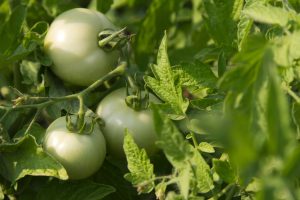
Tomatoes and Peppers in August: Why More Nitrogen Can Mean Fewer Fruits
By August, tomatoes and peppers have usually reached a very different stage from the plants gardeners were managing in May or June. The root systems
As summer fades and fall settles in, it becomes increasingly important to shift attention below the surface—into the soil. For growers, landscapers, and home gardeners alike, the key to long-term success lies in the ability to prepare the soil now for what comes next. One of the most overlooked yet powerful tools available is gypsum, specifically high-solubility gypsum that works quickly to restructure compacted soil and restore its natural balance.
In this in-depth guide, we will explore why gypsum plays such a crucial role in fall soil management, what makes a high-quality product stand out, and how you can integrate it into your seasonal routine with confidence and precision.
Let’s dig into why so many successful growers treat Diamond K High-Solubility Gypsum as an essential component of their fall nutrition and soil correction programs.
Gypsum, or calcium sulfate dihydrate, has been used in agriculture for centuries. Its ability to enhance soil structure and nutrient availability is widely documented across academic studies and practical field use. While lime is often mentioned in the same breath, gypsum has distinct advantages that make it better suited for many fall applications.
Calcium without pH disruption is one of gypsum’s greatest attributes. It supplies calcium and sulfur to the soil without increasing pH. That means it’s especially beneficial in neutral to alkaline soils where lime could create imbalances.
Gypsum is also known for its role in flocculating clay particles, which creates better soil tilth and allows for improved root penetration and water movement. This is vital during fall when moisture management becomes essential heading into winter.
According to research from the USDA Agricultural Research Service, gypsum application enhances water infiltration and reduces crusting in clay soils, allowing root systems to develop more extensively during cool-season crop establishment or cover crop development.
Soil compaction, poor drainage, and nutrient lockout are all issues that come into play as the growing season ends. These conditions don’t just affect fall crops—they create a weak foundation for spring.
Here are some of the key soil issues that gypsum addresses:
Whether from heavy rainfall, frequent equipment traffic, or over-irrigation, compaction prevents roots from growing deeply. Gypsum helps loosen the soil structure without the need for aggressive tillage.
In regions that experience irrigation with sodium-rich water or drought conditions, gypsum displaces sodium ions and replaces them with calcium. This process reduces sodium toxicity and improves soil permeability.
In heavy clay soils, water tends to run off or pool rather than soak in. This causes water stress and inconsistent nutrient uptake. Gypsum helps soil particles aggregate, allowing for better water movement into and through the soil profile.
Calcium is essential for root and cell wall development, while sulfur is necessary for protein synthesis and enzyme activation. Gypsum provides both without impacting pH or introducing unnecessary elements.
Fall is often mistakenly seen as a time to scale back fertilizer use. In reality, this season offers a unique window of opportunity to condition and repair soil that has been stressed by summer crops, heat, and traffic.
Here’s why gypsum application in fall is a smart move:
Additionally, applying gypsum in the fall allows time for chemical changes in the soil to occur at a natural pace, giving growers more predictable results when spring comes.
Choosing a highly soluble product such as Diamond K Gypsum ensures that your application goes further, faster. Solution-grade gypsum is finely ground and designed for both broadcast and fertigation systems.
While rates vary by soil type, crop, and environmental condition, a general guideline for fall application is:
Always consider a recent soil test before applying. For more precise recommendations, our team at Supply Solutions is happy to assist.
Gypsum is not just an old-school practice—it’s backed by extensive data.
These are peer-reviewed findings that support what farmers have observed in the field for decades: gypsum delivers real, measurable improvements in both soil and crop performance.
For best results, gypsum should be part of a broader fall fertility and structural correction strategy. Consider combining it with the following:
When applied as part of a system, gypsum accelerates results and makes other amendments more effective. The growers who plan their fall soil management with a clear intention often see better spring emergence, stronger root development, and more efficient nutrient uptake that pays off in both yield and crop quality. Acting now, before winter sets in, can be one of the most important soil decisions made all year.
Have questions about application timing, rates, or compatibility with your specific crops? Reach us through our contact form, message us on Facebook, call 503-451-1622, or email sales@mysolutionssupply.com. Supply Solutions LLC is here to help anytime, any day.
By August, tomatoes and peppers have usually reached a very different stage from the plants gardeners were managing in May or June. The root systems

Late summer can be one of the most confusing times to fertilize warm-season turf. Bermudagrass, zoysiagrass, and St. Augustinegrass may still be green and actively
Give us a call or visit our store, and we’ll help you find the right solution for your business.