
Uncategorized
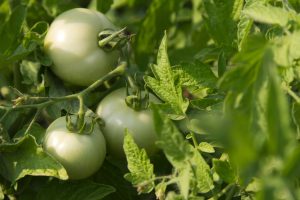
Tomatoes and Peppers in August: Why More Nitrogen Can Mean Fewer Fruits
By August, tomatoes and peppers have usually reached a very different stage from the plants gardeners were managing in May or June. The root systems

Fall is one of the most important times of the year for fertilizing lawns, gardens, trees, and shrubs. Whether you’re a home gardener trying to protect your perennials, a landscaper managing multiple properties, or a commercial grower preparing your fields, you likely have a long list of questions when it comes to fall fertilization. What type of fertilizer should you use? When should you apply it? How does it help with winter prep?
This article rounds up the most frequently asked questions about fall fertilization and answers them in detail, backed by research, expert insight, and product recommendations from Supply Solutions LLC.
Fall fertilization plays a dual role. It helps plants recover from the stress of summer, and it prepares them to survive winter conditions. For lawns, it builds up carbohydrate reserves in the roots. For trees and shrubs, it enhances root development and resistance to cold. For vegetable gardens, it helps replenish nutrient levels in the soil after heavy summer cropping.
During fall, cooler temperatures and increased moisture create ideal conditions for root growth. This is the time to feed plants so they can store energy in preparation for dormancy.
Timing depends on your region, but generally:
Applying too early may stimulate unwanted new growth. Too late, and the nutrients may not be absorbed before the soil freezes.
Look for fertilizers that are lower in nitrogen and higher in phosphorus and potassium. These nutrients support root strength, cell wall integrity, and disease resistance rather than top growth.
Here are our top fall fertilizer recommendations:
Yes, but it depends on the plant. Fall fertilization is not about pushing new growth. Instead, it focuses on underground development.
Dormant-looking plants, especially lawns and perennials, are often still active below the surface. Roots continue to grow even when top growth has slowed. Feeding them ensures strong root systems for spring regrowth.
While general-purpose fertilizers like Triple 10 and 16-16-16 can cover most bases, specialized fertilization may be more effective in some cases:
Each plant has slightly different needs, and tailoring your fall application will give better results.
A light frost doesn’t necessarily stop you from applying fertilizer, especially if the ground isn’t frozen. However, if heavy frost or freezing temperatures are consistent, hold off.
Nutrients applied too late can be wasted through leaching or runoff before the plant can take them in. The ideal time is when daytime temps are between 45°F and 65°F.
Yes. Always water the fertilizer into the soil unless it’s a slow-release product designed to break down gradually. Watering ensures nutrients are absorbed and prevents burning of foliage or roots.
For granular fertilizers, a 20–30 minute light watering is often enough.
Absolutely. Fall is a perfect time to improve both nutrient levels and soil structure. Compost enhances microbial activity and improves moisture retention, while fertilizer provides the exact nutrients plants need.
You can spread compost first and then apply granular fertilizer over it. Water everything thoroughly to blend the layers and activate the nutrients.
Yes, but with caution. Use mild, balanced fertilizers like 10-10-10 or root stimulants high in phosphorus (P). Avoid high nitrogen, which can push soft, vulnerable growth.
Fall is the best time for planting, and a gentle dose of the right fertilizer can help new roots establish before winter.
Use a spreader with accurate settings for lawns and large areas. Follow label instructions for all fertilizers. Remember that less is often more—especially in fall, when you’re not trying to force top growth.
If in doubt, test your soil first to determine exact needs. This ensures efficient and safe fertilizer use.
Organic fertilizers like composted manure or bone meal can be effective in fall, especially when paired with granular synthetic options. They break down slowly, feeding soil biology over time.
However, they may not provide immediate, measurable results. For fast, balanced feeding before winter, granular fertilizers like 10-10-10 or 16-16-16 are preferred.
If you miss the window entirely, don’t panic. Focus on early spring recovery. However, missing fall fertilization can mean:
Try to fit it in as long as the soil isn’t frozen.
If you still have questions, or need help selecting the right fall fertilizer for your lawn, garden, or landscape, reach out to the experts at Supply Solutions LLC. You can contact us through our contact form, message us on Facebook, call us at 503-451-1622, or email sales@mysolutionssupply.com today.
By August, tomatoes and peppers have usually reached a very different stage from the plants gardeners were managing in May or June. The root systems

Late summer can be one of the most confusing times to fertilize warm-season turf. Bermudagrass, zoysiagrass, and St. Augustinegrass may still be green and actively
Give us a call or visit our store, and we’ll help you find the right solution for your business.