
Uncategorized
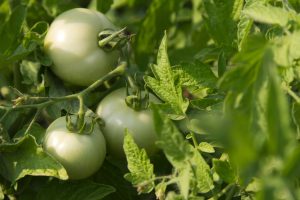
Tomatoes and Peppers in August: Why More Nitrogen Can Mean Fewer Fruits
By August, tomatoes and peppers have usually reached a very different stage from the plants gardeners were managing in May or June. The root systems
As the growing season reaches its final stretch, many growers and gardeners notice a shift in plant vigor. Leaves begin to yellow, stems become weaker, and flowering slows down or stops altogether. While these signs are often attributed to the natural cycle of the season, they are frequently the result of magnesium deficiency—a silent but highly common nutritional issue that impacts both plant health and crop quality in fall. The solution is simple, effective, and affordable: magnesium sulfate.
More than just a supplement for wilting plants, magnesium sulfate, also known as Epsom salt, plays an essential role in the photosynthesis process, enzyme activation, and nutrient uptake. Fall is the most strategic time to apply it because of how plants transition into dormancy or prepare for overwintering. By correcting magnesium levels now, growers strengthen plants at a cellular level while improving color, structural integrity, and metabolic function.
In this guide, we will examine the science behind magnesium sulfate’s value, show how it works in the field, and explain why products like Diamond K Magnesium Sulfate should be part of every fall nutrient plan.
Magnesium sulfate is a water-soluble compound made of magnesium (Mg), sulfur (S), and oxygen. It is widely used in agriculture to correct magnesium deficiencies in both soil and plant tissues. Unlike dolomitic lime or magnesium oxide, magnesium sulfate is fast-acting, neutral in pH, and easily absorbed through both roots and leaves.
Magnesium is a central component of chlorophyll. Without it, plants cannot perform photosynthesis efficiently. This leads to chlorosis, a condition where leaves turn pale or yellow due to lack of chlorophyll, particularly between the veins of older leaves.
Sulfur, on the other hand, is involved in the formation of amino acids, proteins, and plant oils. Together, magnesium and sulfur enhance plant function from root to canopy. Fall applications help plants store energy, manage cooler temperatures, and maintain color as daylight hours decline.
According to Iowa State University Extension, magnesium deficiencies are more common in sandy soils, acidic soils, and fields with high potassium levels. These conditions are widespread across the Midwest, Southeast, and Pacific Northwest.
As crops and ornamentals approach the end of their growth cycle, the demand for magnesium increases. At this stage, older leaves begin to lose their green color as magnesium is redistributed to support seed production, root storage, and metabolic balance. This makes magnesium one of the most mobile and visible nutrients during fall.
Even mild deficiencies can reduce the ability of plants to perform photosynthesis, synthesize proteins, or tolerate stress. This makes magnesium sulfate an essential part of any fall treatment strategy, particularly for plants under pressure from heat, heavy harvest, or nutrient imbalance.
While magnesium sulfate is beneficial year-round, its effects are especially important in the fall when plants prepare for the transition to dormancy or late-season production.
Key benefits include:
In turfgrass, magnesium sulfate enhances fall color, reduces cold-season chlorosis, and prepares roots for winter conditions. In vegetable gardens, it supports late-bearing crops like squash, tomatoes, and greens by improving leaf function and overall yield quality.
Diamond K Magnesium Sulfate (K-Mag) is a high-quality, fully soluble product made for efficient delivery through soil, foliar, or fertigation applications. Its solution-grade formulation ensures rapid absorption and immediate availability, making it ideal for in-season correction and long-term health building.
This product delivers:
It is especially effective when combined with fall-applied potassium, calcium, or micronutrients.
Application depends on the crop, soil type, and method of delivery. Here are general fall guidelines:
It is best to apply magnesium sulfate based on recent soil and tissue analysis. This ensures precision while avoiding over-application or wasted product.
While all plants need magnesium, some are more sensitive to deficiencies than others. The following crops show the highest response to magnesium sulfate applications in fall:
Even hardy perennials, trees, and shrubs will benefit from a fall feeding that restores magnesium levels after a long summer.
Magnesium sulfate integrates seamlessly into multi-nutrient programs. It works especially well when paired with:
If applying high-nitrogen fertilizers in the fall, magnesium sulfate acts as a buffering nutrient to support energy conversion and protein synthesis.
Numerous university studies have documented the value of fall-applied magnesium sulfate:
This is not just anecdotal success. It is backed by peer-reviewed results and on-farm trials that consistently show improved outcomes in fall conditions.
Fall applications are most effective when made:
Avoid applying just before heavy rainfall to minimize runoff. If combining with other fertilizers, check compatibility in a jar test to avoid precipitates.
Fall is the last opportunity to rebuild the nutrient base before winter sets in. Magnesium sulfate plays a crucial role in closing the season strong while building reserves for the season ahead. Growers who use it strategically now enjoy better root performance, less winter dieback, and greener starts in spring.
Have questions about application timing, rates, or compatibility with your specific crops? Reach us through our contact form, message us on Facebook, call 503-451-1622, or email sales@mysolutionssupply.com. Supply Solutions LLC is here to help anytime, any day.
By August, tomatoes and peppers have usually reached a very different stage from the plants gardeners were managing in May or June. The root systems

Late summer can be one of the most confusing times to fertilize warm-season turf. Bermudagrass, zoysiagrass, and St. Augustinegrass may still be green and actively
Give us a call or visit our store, and we’ll help you find the right solution for your business.