
Uncategorized
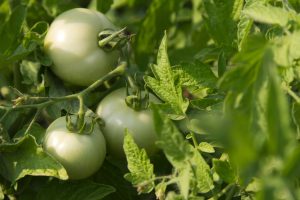
Tomatoes and Peppers in August: Why More Nitrogen Can Mean Fewer Fruits
By August, tomatoes and peppers have usually reached a very different stage from the plants gardeners were managing in May or June. The root systems
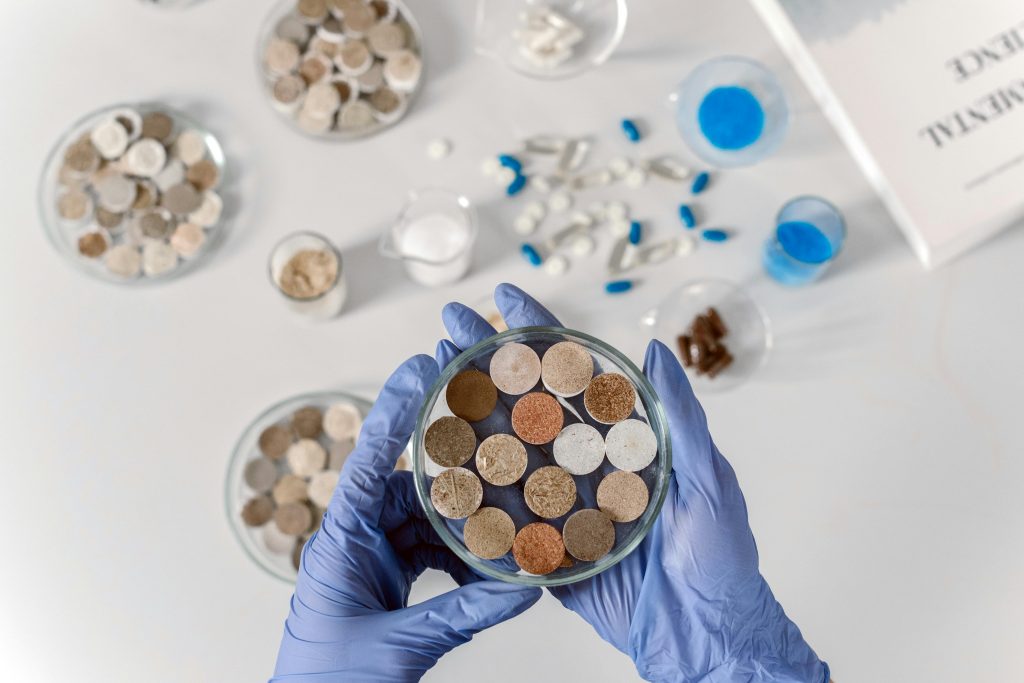
Every grower knows that soil is the foundation of success. What often gets missed is the timing. While many choose to test in spring, the best time to evaluate soil health is actually in the fall. By understanding your nutrient profile now—before winter sets in—you can make smarter, data-driven decisions and avoid costly mistakes when planting resumes.
Whether you’re managing a backyard vegetable garden, a large orchard, or a commercial row crop system, testing your soil in the fall ensures that you start the next growing season with clarity, control, and confidence. It’s not just about seeing what’s missing. It’s about planning your fertility strategy with precision.
In this article, we’ll look at why fall is the ideal time to test soil, what information a good test provides, and how the service offered by Supply Solutions LLC helps home gardeners, landscapers, and farmers alike get actionable recommendations for spring success.
Fall soil testing provides a stable, post-harvest snapshot of soil nutrient status, which is much more useful than spring data that can be skewed by temperature, moisture, or fertilizer carryover. The soil is still biologically active in early fall, but it has already gone through a full growing cycle. That makes it the perfect time to ask:
Fall test results can also be used to plan cover crop strategies, adjust fertilizer purchasing, or refine application rates. That’s especially valuable when supply chains are tight or when bulk pricing is available in winter.
According to Purdue University Extension, fall soil tests are just as accurate—if not more so—than spring tests. They help growers avoid fertilizer guesswork and apply only what’s needed, saving money and protecting soil health in the long run.
A comprehensive soil test provides key data points that should inform every fertility decision you make going into the next season. At a minimum, a test should include:
By analyzing these variables in the fall, you give yourself time to act. You’re not reacting at the last minute in spring, scrambling to interpret a report when you should already be planting.
Growers across the country see recurring issues in fall soil tests that, if unaddressed, can limit next season’s success. These include:
Each of these problems has a unique solution—but without a soil test, you’re just guessing.
At Supply Solutions LLC, we offer professional soil testing services that go beyond just numbers on a page. Our goal is to make sure you understand what your soil is telling you and what specific steps to take next.
Here’s how the process works:
This kind of guidance is critical, especially for landscapers managing multiple clients, farmers making per-acre rate decisions, or home gardeners optimizing raised beds for vegetables.
Timing matters. Soil tests taken in September through early November are ideal for several reasons:
Testing now ensures you’re not wasting fertilizer, time, or money. It also makes budgeting for spring easier because you already know what you need—and what you don’t.
Whether you’re working with 5 acres or 5 garden beds, sampling technique matters. Here’s a quick summary of best practices:
Always use clean tools and avoid contamination. If you’re unsure, our team is available to walk you through the process.
Once you have your report, don’t just file it away. Use it as the blueprint for every nutrient input you make. This includes:
Fall results give you the lead time to implement changes slowly, which improves uptake and efficiency. Instead of rushing in spring, you’ll already have the right tools in place.
According to the University of Nebraska Extension, fall testing provides better consistency and fewer delays in application. The NRCS Soil Health Division also recommends fall testing as part of a healthy soil management system, especially when planning fertilizer credits for cover crops or manure.
These aren’t just ideas. They are proven, long-term recommendations from trusted agricultural institutions.
A soil test is not just a measurement. It’s a tool for strategy, cost savings, and long-term resilience. Testing in fall gives you an edge—more time, more clarity, and more options.
Instead of reacting next spring, you’ll be executing a plan that began with science. That plan begins with knowing what your soil needs and how to provide it—no guesswork, no overapplication, no surprises.
Have questions about application timing, rates, or compatibility with your specific crops? Reach us through our contact form, message us on Facebook, call 503-451-1622, or email sales@mysolutionssupply.com. Supply Solutions LLC is here to help anytime, any day.
By August, tomatoes and peppers have usually reached a very different stage from the plants gardeners were managing in May or June. The root systems

Late summer can be one of the most confusing times to fertilize warm-season turf. Bermudagrass, zoysiagrass, and St. Augustinegrass may still be green and actively
Give us a call or visit our store, and we’ll help you find the right solution for your business.