
Uncategorized
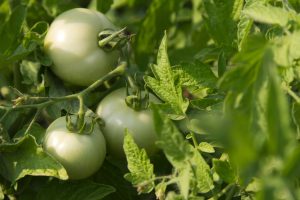
Tomatoes and Peppers in August: Why More Nitrogen Can Mean Fewer Fruits
By August, tomatoes and peppers have usually reached a very different stage from the plants gardeners were managing in May or June. The root systems

By the time late summer rolls around, many home gardens, landscaping beds, and crop fields are starting to show signs of fatigue. Long stretches of heat, inconsistent rainfall, and multiple harvests or mowings can deplete the soil of critical nutrients. If your plants are looking dull, slow-growing, or generally unproductive, chances are the soil needs a boost.
This is where a balanced, all-purpose fertilizer like Supply Solutions 16-16-16 Granular Fertilizer comes into play. It’s specifically formulated to provide equal parts nitrogen, phosphorus, and potassium—exactly what soil needs to recover after a demanding growing season.
Let’s break down why 16-16-16 is an ideal solution for nutrient rebalancing, how to apply it for best results, and which types of users benefit most.
Summer is the most demanding time for soil nutrient reserves. Here’s why:
By September, even the best-managed soils begin to struggle.
Supply Solutions’ 16-16-16 fertilizer is a triple blend—meaning it offers a balanced ratio of nitrogen (N), phosphorus (P), and potassium (K), which are the three primary macronutrients plants rely on for survival.
This balance allows your soil to rebuild without overfeeding any one nutrient—which is especially important when prepping perennial beds, ornamentals, or lawn areas for the upcoming dormant season.
This isn’t just for row-crop farmers. In fact, this product is ideal for:
This fertilizer is especially beneficial when transitioning from summer crops to fall rotations or prepping soil for cover cropping.
To maximize results, apply 16-16-16 as soon as summer harvest is complete or after your last lawn mowing of the high season. Here’s how:
If soil tests indicate extreme depletion, split applications—half in early September, half in late September—can prevent runoff while maximizing uptake.
To further supercharge your soil recovery, topdress your beds or fields with composted manure, leaf mold, or compost along with your 16-16-16 application. The combination helps rebuild microbial life, improves moisture retention, and boosts long-term fertility.
September is the sweet spot for fall recovery. Soil is still warm enough to allow nutrient absorption and root growth, but not so hot that evaporation or plant stress undermines the effort.
Feeding now helps:
Especially in zones 5–9, where winter hits hard, this timing is essential for plant health.
According to the University of Minnesota Extension, early fall fertilization helps perennial plants build root reserves, and turfgrass experts at Penn State recommend late summer to early fall nitrogen applications for optimal lawn health. Both sources agree—post-summer soil care is essential.
For lawns and beds, one fall application is usually sufficient. For depleted garden beds or commercial applications, you can follow up with a lower-nitrogen fertilizer (like a 10-20-20) closer to October if needed.
Refrain from fertilizing once soil temperatures dip consistently below 50°F.
Have questions about application timing, rates, or compatibility with your specific crops? Reach us through our contact form, message us on Facebook, call 503-451-1622, or email sales@mysolutionssupply.com. Supply Solutions LLC is here to help anytime, any day.
By August, tomatoes and peppers have usually reached a very different stage from the plants gardeners were managing in May or June. The root systems

Late summer can be one of the most confusing times to fertilize warm-season turf. Bermudagrass, zoysiagrass, and St. Augustinegrass may still be green and actively
Give us a call or visit our store, and we’ll help you find the right solution for your business.