
Uncategorized
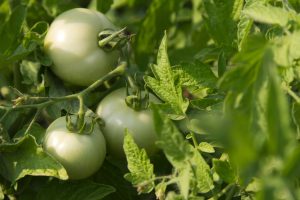
Tomatoes and Peppers in August: Why More Nitrogen Can Mean Fewer Fruits
By August, tomatoes and peppers have usually reached a very different stage from the plants gardeners were managing in May or June. The root systems
When most people think about preparing their garden or farmland for fall, their focus usually drifts toward cleaning up, covering beds, and winding down from the intense summer season. But for those who want to actually improve soil fertility before winter sets in, September offers a key opportunity—especially for applying Muriate of Potash (0-0-60).
This high-potassium fertilizer plays a vital role in strengthening plants before the cold months and prepping the soil for high-yield growth in the next season. Whether you’re managing a commercial orchard, revitalizing a turf lawn, or just prepping your backyard beds for spring, Supply Solutions’ Muriate of Potash 0-0-60 is the heavy-hitter you need in your fall fertility lineup.
You can explore or purchase this product here: Muriate of Potash (0-0-60) Fertilizer – Supply Solutions LLC
Muriate of Potash, also known as Potassium Chloride (KCl), is a potassium-rich fertilizer with 60% potassium (K2O) by weight. It’s the most widely used potassium fertilizer in agriculture due to its affordability, effectiveness, and long-lasting impact on crop yield and resilience.
In terms of formulation:
This makes it ideal for use in the fall, especially in September, when growers and landscapers begin shifting their attention to root health, energy storage in perennials, and overall plant durability against cold weather stress.
During the growing season, nitrogen tends to steal the spotlight. But as the calendar turns to September, potassium becomes the MVP for several reasons:
According to university studies, potassium-deficient plants often show poor overwintering ability and weaker regrowth in spring. Source: University of Minnesota Extension – Potassium for crop production
Depending on your land use, here’s how to apply Muriate of Potash in September:
Fall potassium applications are essential for perennial fruit crops like apples, peaches, grapes, and berries. Apply 0-0-60 after harvest but before full dormancy to boost bud health and cane strength.
September is peak renovation time for cool-season grasses. Applying potassium in tandem with aeration helps grass store nutrients, resist snow mold, and green up faster in spring.
Fall-grown crops like cabbage, kale, garlic, and overwintering onions benefit from strong potassium availability. For beds going dormant, it builds reserves for spring.
Potassium enhances root development in cover crops like clover and rye, which in turn improves soil structure and fertility when tilled under.
Muriate of Potash (0-0-60) works best when paired strategically with other nutrients:
Pro Tip: Conduct a soil test before applying potassium. Over-application can create imbalances with calcium and magnesium. If needed, test kits and lab testing services are available through your local extension office or soil lab.
Potassium behaves differently depending on your soil type:
September provides the sweet spot for application. It allows time for potassium to move into the root zone while temperatures and moisture still support microbial activity and uptake.
Muriate of Potash is considered a synthetic fertilizer. While some organic growers may opt for Sul-Po-Mag (sulfate of potash-magnesia) or wood ash, MOP remains the most cost-effective and concentrated source of potassium on the market.
It’s also:
Organic substitutions often require higher quantities and offer less precision—especially important when you’re targeting specific yield outcomes or balancing other nutrient ratios.
According to research by Iowa State University, fall-applied potassium can reduce spring labor and improve nutrient availability during the early growth window. Source: Iowa State Extension – Fall Fertilizer Application
When you invest in fall fertility, you’re not just feeding the plant—you’re feeding the soil bank. And unlike nitrogen, potassium doesn’t easily volatilize or break down. What you apply now remains available come spring.
This makes Muriate of Potash one of the smartest off-season investments for both short-term plant health and long-term soil productivity.
To get the most from your potassium application in September:
You can also reduce labor by combining with other pre-winter treatments like lime or gypsum—just make sure you’ve confirmed compatibility before blending.
Whether you’re a home gardener or a commercial grower, applying Muriate of Potash in September makes agronomic and economic sense.
You can find the full product specs and order directly here: Muriate of Potash (0-0-60) Fertilizer – Supply Solutions LLC
Have questions about application timing, rates, or compatibility with your specific crops? Reach us through our contact form, message us on Facebook, call 503-451-1622, or email sales@mysolutionssupply.com. Supply Solutions LLC is here to help anytime, any day.
By August, tomatoes and peppers have usually reached a very different stage from the plants gardeners were managing in May or June. The root systems

Late summer can be one of the most confusing times to fertilize warm-season turf. Bermudagrass, zoysiagrass, and St. Augustinegrass may still be green and actively
Give us a call or visit our store, and we’ll help you find the right solution for your business.