Fertilizers feed plants — but without proper management, they can also overwhelm them. Over time, repeated applications in greenhouses, raised beds, and container gardens cause salt buildup in the growing medium. This invisible layer of excess nutrients restricts water movement, burns roots, and weakens plants, even when you’re feeding them regularly.
Fall is the best time to reset your soil’s nutrient balance before the next growing cycle. With soluble, clean fertilizers like Diamond K Gypsum Solution Grade and Diamond K Magnesium Sulfate Solution Grade from Supply Solutions LLC, growers can restore soil structure, flush excess salts, and prepare for healthy, balanced growth next season.
Understanding Fertilizer Salt Buildup
Every time you apply fertilizer — whether liquid or granular — salts accumulate in the soil. These salts come from soluble nutrients like nitrates, sulfates, and chlorides. While necessary in small amounts, excessive accumulation creates osmotic stress that pulls water out of roots instead of into them.
This is especially common in greenhouse soils and container mixes where water doesn’t percolate deeply. Over time, salt buildup leads to:
- Burned leaf tips and edges
- Stunted or discolored plants
- Reduced water absorption
- Nutrient lockout, even when feeding continues
Unchecked, salt toxicity can collapse soil biology and permanently degrade the growing medium.
Why Greenhouse and Container Systems Are More Vulnerable
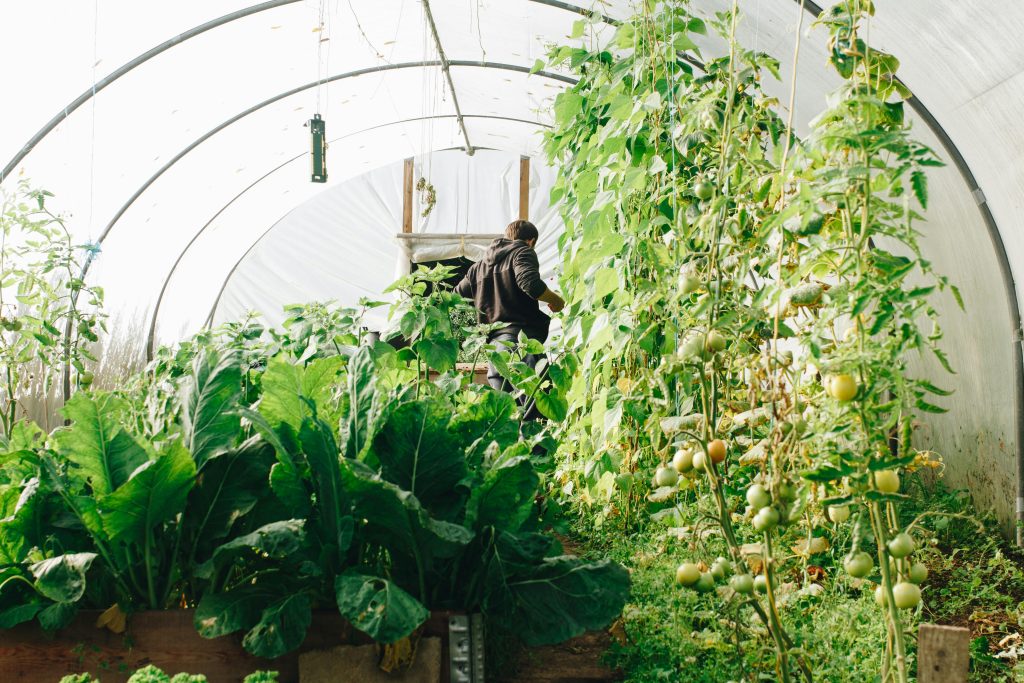
Unlike open-field systems, greenhouses and pots have limited drainage. Water evaporates faster, leaving salts behind. Frequent feeding schedules amplify this effect, especially with high-nitrogen fertilizers or low-quality water sources.
The confined environment means even small imbalances compound quickly. For this reason, regular flushing and calcium management are essential to maintaining soil health in controlled environments.
The Role of Calcium in Flushing Salts
Calcium is one of the best natural tools for preventing salt accumulation. It replaces sodium and other soluble salts on soil particles, freeing them to wash out during irrigation or rainfall.
Diamond K Gypsum Solution Grade provides soluble calcium and sulfur — two key nutrients that rebuild soil structure while helping salts move downward through the profile. The calcium displaces sodium, while sulfur enhances microbial activity and nutrient mobility.
Benefits of Diamond K Gypsum for salt management:
- Reclaims saline or sodium-affected soils
- Improves water infiltration and drainage
- Restores balance in compacted potting mixes
- Safe for continuous use — no pH disruption
For greenhouse growers, it’s a simple, low-cost solution that delivers measurable improvement in both soil structure and crop response.
The Complementary Role of Magnesium Sulfate
Diamond K Magnesium Sulfate Solution Grade adds another layer of protection against fertilizer salt buildup. Magnesium supports chlorophyll and enzyme function, while sulfur partners with calcium to keep the soil microbiologically active.
Unlike some fertilizers that leave residues, magnesium sulfate dissolves completely, leaving the medium clean and balanced after application.
How it helps:
- Enhances nutrient flow in salt-stressed soils
- Improves leaf color and nutrient uptake
- Aids in natural detoxification of excess salts
- Compatible with fertigation and drip systems
When used together, Diamond K Gypsum and Diamond K Magnesium Sulfate form a one-two punch that restores soil equilibrium without disrupting your existing fertility plan.
How to Flush and Reset Soils in Fall
The end of the growing season is the perfect opportunity to clear accumulated salts before winter. Here’s how to do it effectively:
- Leach the soil thoroughly.
Water slowly and deeply, allowing excess salts to drain through the pot or bed. Repeat several times over a few days for best results.
- Apply Diamond K Gypsum Solution Grade.
Mix 1–2 tablespoons per gallon of water for containers, or apply 200–300 pounds per acre for greenhouse beds. Water well after application to move calcium through the root zone.
- Follow with Diamond K Magnesium Sulfate Solution Grade.
Apply 1–2 teaspoons per gallon of water for small setups, or 50–100 pounds per acre in greenhouse systems. This restores magnesium balance and promotes root recovery.
- Avoid over-fertilizing.
After flushing, allow plants or beds to rest for 7–10 days before resuming feeding at reduced rates.
- Monitor EC levels.
Use an electrical conductivity meter to check for remaining salt levels in your growing media. A reading below 2.0 mS/cm generally indicates a safe zone for most crops.
Real-World Example: Reclaiming Greenhouse Soil in Oregon
A commercial greenhouse operator in La Pine noticed declining yields in their lettuce production. Despite consistent feeding, plants showed tip burn and slowed growth. Soil tests revealed high sodium and chloride accumulation. After two flushing cycles using Diamond K Gypsum Solution Grade followed by Diamond K Magnesium Sulfate Solution Grade, EC readings dropped by nearly 40%. Within three weeks, leaf color normalized, and new growth appeared vigorous.
By adopting this maintenance routine each fall, the grower now prevents buildup altogether — saving fertilizer and improving plant uniformity.
Common Mistakes to Avoid
- Using hard water: Always test irrigation water; high bicarbonate levels worsen salt issues.
- Skipping seasonal flushes: Neglecting a single cycle can double salt levels in enclosed systems.
- Relying solely on fertilizers with high chloride content: Use balanced, sulfate-based sources instead.
- Overusing lime in containers: Raises pH and can restrict calcium mobility.
Preventing buildup is far easier than fixing severe salt stress — and a consistent flushing plan keeps soil performance high all year long.
Complementary Nutrients for Salt-Resilient Soils
For a comprehensive soil recovery strategy, combine gypsum and magnesium sulfate with:
- Muriate of Potash (0-0-60) applied lightly after flushing to restore potassium.
- Organic matter or compost teas to reintroduce beneficial microbes.
- Good drainage management to prevent stagnation and re-accumulation of salts.
These practices maintain a living, breathable root zone that maximizes fertilizer efficiency.
Looking Ahead
Fertilizer salts can quietly sabotage greenhouse and container production if left unchecked. Fortunately, with routine flushing and the use of high-solubility products like Diamond K Gypsum Solution Grade and Diamond K Magnesium Sulfate Solution Grade, you can maintain soil balance, reduce stress, and keep plants thriving year-round.
For tailored guidance on greenhouse and container soil management, visit Supply Solutions LLC. Reach us through our contact form, message us on Facebook, call 503-451-1622, or email sales@mysolutionssupply.com — and keep your soil as healthy and productive as your crops.