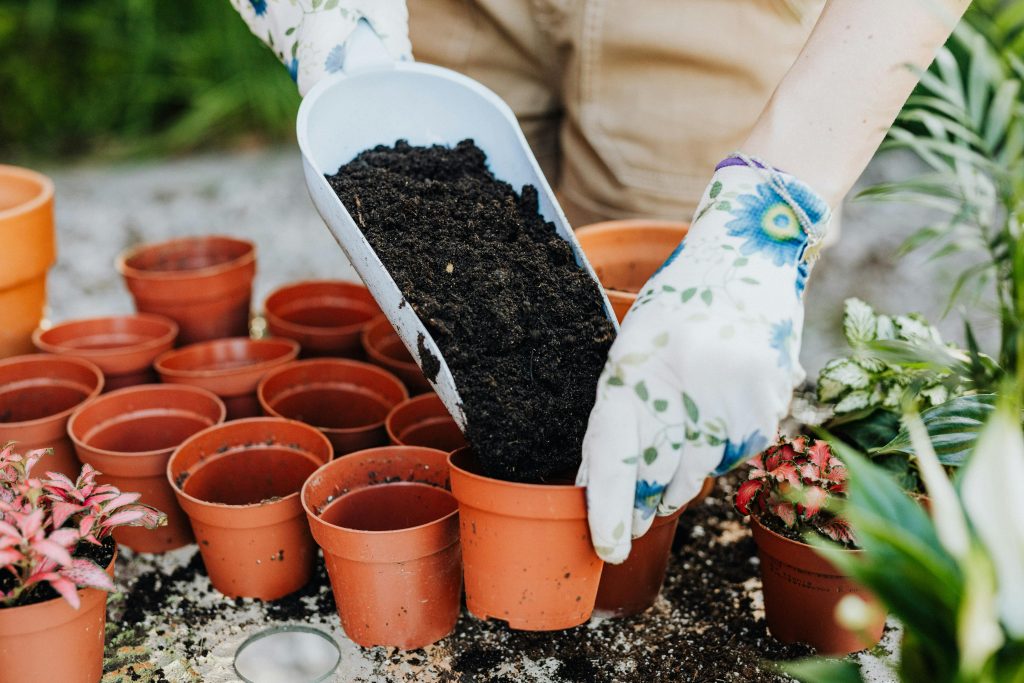
If you garden or farm in the Pacific Northwest, you probably know the feeling of heavy clay soil. It sticks to your boots, puddles after every rain, and seems to form hard clods the moment it finally dries out.
Clay soil is not your enemy, but it does need special care. The right combination of gypsum, organic matter, and timing can turn sticky, compacted fields and beds into more workable, resilient soil for spring planting.
In this guide, we will cover:
- What makes clay soil challenging
- How gypsum actually works (and what it does not do)
- When gypsum makes sense in PNW soils
- Step-by-step ways to use Purest Gypsum Soil Acidifier and other amendments
- Practical examples for lawns, gardens, and pastures
The goal is not overnight transformation. It is season-by-season improvement.
What is clay soil and why is it so difficult
Clay soils are made of very small particles that pack closely together. This gives them:
Advantages
- High nutrient-holding capacity
- Good water-holding capacity in dry climates
- Potential for long-term productivity when managed well
Challenges
- Slow drainage and frequent puddling
- Poor aeration and low oxygen in the root zone
- Surface crusting that makes it hard for seedlings to emerge
- Tendency to compact under foot traffic and equipment
In many parts of western Oregon and Washington, clay soils sit under a climate of frequent winter rain. When these soils are worked while too wet, they can turn into hard, brick-like clods when they finally dry.
What gypsum is – and what it is not
Gypsum is calcium sulfate (often written as CaSO₄·2H₂O). It provides:
- Calcium, an important nutrient and structural cation
- Sulfur, which many crops require and which can be in short supply in some soils
When used correctly, gypsum can:
- Help improve soil structure in certain clay and high-sodium soils
- Support aggregation (the formation of stable soil crumbs)
- Improve water infiltration and reduce surface crusting over time
- Supply calcium without significantly increasing soil pH
What gypsum does not do:
- It is not a liming material. It does not significantly raise soil pH.
- It does not “fix” every clay soil problem by itself.
- It is not a replacement for organic matter, good traffic management, or proper drainage design.
Think of gypsum as one tool in a broader soil health toolbox.
When gypsum makes sense in the Pacific Northwest
Gypsum is most useful when:
- You have heavy clay soil that puddles and crusts, especially after repeated wetting and drying.
- Soil or water tests show elevated sodium levels (for example, from irrigation or de-icing salts).
- You see compaction and poor root development despite reasonable organic matter levels.
- You want to supply calcium and sulfur without raising pH on soils that are already in a good pH range.
It may be less useful when:
- Soils are sandy and already have good structure.
- Calcium levels are already high and there is no sodium or structure concern.
- The main issue is simply lack of organic matter or poor drainage design.
A soil test is the best way to know whether gypsum belongs in your plan. When in doubt, contact Supply Solutions with your soil report and field history.
Why Purest Gypsum Soil Acidifier
Purest Gypsum Soil Acidifier from Supply Solutions is:
- A finely ground, solution-grade gypsum
- Designed to dissolve more readily than many coarse products
- OMRI Listed, suitable for organic production where allowed
- Versatile enough for use in lawns, gardens, fields, and certain fertigation setups
Because it is finely ground, it can be:
- Broadcast and watered in on lawns and fields
- Used in drip or overhead irrigation where label and equipment allow
- Applied to beds that are difficult to till deeply
Always read and follow the product label. If you are not sure about application rates, timing, or compatibility with your equipment, contact Supply Solutions before using.
Step 1: Evaluate your clay soil
Before you apply anything, take a careful look at how your soil behaves.
Simple observations:
- After a steady rain, how long does water stand in puddles
- When you dig with a shovel, does soil come up as a dense slab, a sticky smear, or crumbly aggregates
- How deep can you push a sturdy wire flag or soil probe by hand
- Do roots from existing plants stay near the surface or penetrate deeper
You can also do a quick infiltration test:
- Take a short piece of pipe (such as PVC) or a large metal ring and press it a couple of inches into the soil.
- Fill it with a measured amount of water (for example, 1 inch depth).
- Time how long it takes for the water to disappear.
Very slow infiltration and thick puddles are strong signs of structural problems.
Step 2: Start with a soil test
A soil test will tell you:
- pH
- Levels of calcium, magnesium, potassium, and sodium
- Total salinity (if requested)
- Organic matter and nutrient levels
Use the Supply Solutions soil test form to submit samples from your worst clay zones and from a “better” area for comparison.
Pay special attention to:
- Sodium levels (especially in areas exposed to de-icing salts or certain irrigation water).
- The balance between calcium and magnesium.
- Organic matter percentage.
Bring your results and observations to Supply Solutions. Together, you can decide where gypsum will be most effective and what rates are appropriate.
Step 3: Choose the right timing
In the Pacific Northwest, timing is all about moisture.
You want:
- Soil that is moist but not saturated
- Ground firm enough to walk or drive on without deep ruts
- Enough time before planting or heavy use for gypsum to be watered into the root zone
Good windows often include:
- Late winter, when the surface begins to dry slightly between rains
- Early spring, during a stretch of moderate weather
- Late summer or early fall after harvest, for fields and pastures
Avoid:
- Applying gypsum to frozen ground.
- Working wet clay with heavy equipment, which causes smearing and compaction.
- Spreading just before a major downpour that could cause erosion.
Step 4: Application methods for different situations
How you apply gypsum depends on what you are growing and how much disturbance you can tolerate.
New garden beds or fields
Where you can till or deeply incorporate:
- Use soil test results to determine an appropriate rate.
- Broadcast Purest Gypsum Soil Acidifier evenly over the area.
- Incorporate into the top 4–6 inches of soil with a tiller, chisel, or other implement.
- Add compost or other organic matter at the same time if needed.
- Allow the soil to settle with rainfall or irrigation before planting.
This is often the most effective way to change structure in stubborn clay.
Established lawns
For existing lawns on clay, you normally cannot till without starting over.
Instead:
- Core-aerate the lawn when soil is moist and temperatures are suitable.
- Broadcast gypsum according to label rates across the surface.
- Water in lightly if rain is not forecast.
The combination of aeration and gypsum helps calcium move deeper into the profile, supporting better root growth and drainage over time.
Perennial beds, orchards, and berries
Between existing plants:
- Apply gypsum to the soil surface in the root zone, avoiding direct contact with trunks.
- Scratch lightly into the top inch or two where possible.
- Adjust mulch after application so water can carry gypsum downward.
For orchards and berry blocks, you may band gypsum along drip lines rather than treating the entire field, depending on your goals and recommendations.
Fertigation and irrigation systems
Because Purest Gypsum Soil Acidifier is solution grade, some growers use it through fertigation or irrigation, where compatible with equipment and labels.
If you are interested in gypsum through drip systems, pivots, or injection, contact Supply Solutions to discuss:
- Compatibility with your water quality
- Appropriate filters and injection equipment
- Rates and timing that fit your cropping system
Do not attempt fertigation with gypsum without confirming system suitability, or you may risk plugging emitters.
Step 5: Combine gypsum with organic matter and good practices
Gypsum is most effective when it works alongside other soil-improving practices.
Key partners:
- Organic matter
Compost, well-managed cover crops, and crop residues feed soil life and help build stable aggregates.
- Traffic management
Avoid repeated driving, grazing, or foot traffic on wet soils. Even the best structural amendments cannot overcome constant compaction.
- Cover crops and living roots
Roots help create channels for water and air, and their exudates feed microbes that build structure.
- Thoughtful tillage
Minimize tillage when possible, especially in wet conditions. When you do till, do it at the right moisture and depth.
Over time, your goal is to see clay soil that:
- Accepts water rather than shedding it
- Dries more evenly, without cracking into huge slabs
- Allows roots to penetrate more deeply
Gypsum helps with the chemistry and physics; organic matter and living roots help with biology.
Examples: how gypsum fits into real-world PNW situations
Example 1: Home lawn on clay that stays soggy
Problem:
- Water stands for days after rain.
- Grass roots are shallow and weak.
- Lawn browns quickly in summer and turns to mud in winter.
Possible approach:
- Soil test to confirm calcium, sulfur, and sodium status.
- Early spring: core aeration, followed by a broadcast application of Purest Gypsum Soil Acidifier at a rate guided by the soil test and label.
- Spring: apply a balanced fertilizer such as 16-16-16 if soil tests indicate a need for N, P, and K.
- Summer and fall: adjust mowing height and avoid mowing when soil is very wet.
Over several seasons, you should see gradual improvement in infiltration and root depth.
Example 2: Vegetable garden with heavy, sticky soil
Problem:
- Beds are slow to dry and difficult to work in spring.
- Roots of carrots, beets, and other crops are stunted or forked.
- Surface crusts after rain, making emergence difficult.
Possible approach:
- Late summer or fall: incorporate compost and a cover crop where possible.
- Late winter: apply Purest Gypsum Soil Acidifier and incorporate into top 4–6 inches, following soil test guidance.
- Shape raised beds or broad beds to improve surface drainage.
- Keep soil covered with mulch or cover crops during the off-season.
Gypsum helps with structure while compost and covers provide biology and long-term resilience.
Example 3: Pasture or gateway that turns to a clay mess
Problem:
- Gate areas and traffic lanes become deep mud in winter.
- Hooves and tires churn clay, creating ruts and compacted slabs.
- Grass struggles to reestablish.
Possible approach:
- Evaluate whether drainage and traffic patterns can be improved (gravel pads, alternate gates, or resting high-traffic areas).
- Soil test to see if sodium is part of the problem, especially near roads or winter feeding areas.
- Use gypsum, if recommended, as part of a plan to support better structure.
- Overseed with appropriate pasture mixes when soil conditions allow.
- Consider periodic rest and rotational grazing to protect recovering soils.
Gypsum can assist, but management changes are often equally important in these high-pressure spots.
When gypsum is not the first answer
Gypsum is a helpful tool, but there are times when it is not the priority:
- If your soil is sandy and low in organic matter, organic additions and careful water management may matter more.
- If your clay soil is structurally sound but simply compacted by heavy equipment, subsoiling or targeted tillage could be a higher-impact step.
- If pH is too low for your target crop, liming takes priority over gypsum.
This is why soil testing and a brief conversation with an agronomist or Supply Solutions specialist are so valuable before you invest.
What results to expect – and when
Clay soils rarely change overnight. When you start using gypsum appropriately, along with organic matter and better traffic management, you are aiming for:
- Slightly faster infiltration after rains
- Less standing water in low-lying spots
- Fewer hard clods when soil dries
- Root systems that explore deeper over a couple of seasons
Think in terms of years, not days. Each season of good practice and proper amendment moves you away from sticky, uncooperative clay and toward soil that works with you instead of against you.
If you pay attention, you will notice:
- Easier tillage at the right moisture
- More earthworms and soil life
- Crops that show less stress in both wet and dry spells
These are signs that your clay soil is slowly becoming a partner to your farming and gardening rather than a constant obstacle.
Bringing it all together for spring
Preparing clay soil for spring planting in the Pacific Northwest is about timing, tools, and patience.
With:
- A clear picture of your soil from testing and observation
- Thoughtful use of Purest Gypsum Soil Acidifier where it makes sense
- Regular additions of organic matter
- Controlled traffic and good drainage habits
you can gradually transform difficult ground into productive, resilient soil.
If you would like help interpreting your soil test or deciding how gypsum fits into your lawn, garden, or field, contact Supply Solutions. Bring your report, photos, and questions. Our team works every day with growers on clay soils just like yours.
Supply Solutions, LLC – Fertilizer, Agricultural & Safety Solutions
Phone: 503-451-1622
Email: sales@mysolutionssupply.com
Hours: Monday to Friday, 7:00 a.m. to 5:00 p.m.
Web: www.mysolutionssupply.com
We provide Purest Gypsum Soil Acidifier, Diamond K fertigation solutions, balanced fertilizers, organic inputs, and practical support to help Pacific Northwest farmers, landscapers, and home gardeners turn heavy clay into healthier, more productive soil.