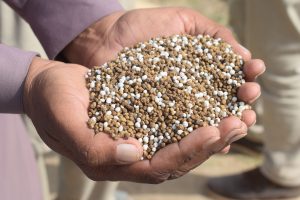
Many growers in the Pacific Northwest find themselves in the middle ground. They appreciate the consistency and cost effectiveness of conventional granular fertilizers, yet they are also drawn to organic inputs that support soil life and long term health.
You do not have to choose only one path.
A well designed hybrid program can use:
- Granular fertilizers such as 10 10 10, 16 16 16, or 25 7 12 for predictable NPK
- Organic inputs such as Pacific Bounty liquid fish, dry fish fertilizer, and fish bone meal for biology, phosphorus, and calcium
- Gypsum and other amendments to support structure and balance
This guide will show you how to:
- Think clearly about what you want organic inputs to do
- Avoid double counting nutrients when mixing organic and conventional products
- Create example hybrid programs for lawns, gardens, and small farms
- Use Supply Solutions products in ways that fit your time and comfort level
The goal is not perfection. It is progress and clarity.
Step 1: Decide why you want organic in the mix
Organic fertilizers do more than add N, P, and K. Before you pick any product, answer:
- Am I aiming mainly to improve soil biology
- Do I want more gentle, steady feeding between granular applications
- Am I working toward organic certification, or simply a more balanced approach
- Are there specific crops where organic inputs feel especially important, such as long lived perennials or edible crops for family use
Common motivations include:
- Supporting microbial activity and soil structure
- Reducing reliance on high rates of synthetic nitrogen over time
- Using organic sources for sensitive crops and sites, while still using conventional fertilizers broadly
Write down your main reasons. You will use them to decide where fish and other organic products belong, and where granular fertilizers can carry most of the load.
Step 2: Get your baseline from soil testing
A hybrid program still starts with the same information as any good fertility plan:
- pH
- Phosphorus and potassium levels
- Calcium, magnesium, and sulfur status
- Organic matter percentage
Soil tests tell you:
- Where you can safely reduce or skip certain nutrients
- Where organic sources alone might not be enough
- Whether you need structural support from gypsum or lime
Once you know your soil’s status, you can decide how much of your nutrient demand will be met by:
- Granular NPK fertilizers
- Organic fish and fish bone meal
- Other organic or mineral amendments
Without a soil test, blending products increases the risk of both shortages and excesses.
Step 3: Understand your main tools
For a hybrid program using Supply Solutions products, think of your tools in three groups.
Group 1: Granular NPK fertilizers
These provide most of the macronutrients in predictable, concentrated forms.
Examples include:
- 10 10 10 Complete Lawn and Garden Granular Fertilizer with Micronutrients
- 16 16 16 Complete Lawn and Garden All Purpose Granular Fertilizer
- 25 7 12 Lawn and turf fertilizers for sports fields and high demand lawns
- Urea 46 0 0 nitrogen fertilizer
- Ammonium sulfate 21 0 0 plus 24 percent sulfur
- Sulfate of potash 0 0 50 for potassium and sulfur
You rely on these for:
- Meeting known NPK targets from soil tests
- Feeding larger areas efficiently
- Supporting high yield or high traffic systems
Group 2: Organic fish based fertilizers
These bring organic nitrogen, phosphorus, calcium, carbon, and biology support.
Examples include:
- Pacific Bounty organic liquid fish fertilizer, a hydrolyzed fish ferment that supplies gentle nitrogen plus a broad spectrum of nutrients and beneficial microbes
- Pacific Bounty organic fish bone meal 6 13 0 plus calcium, a high phosphorus, high calcium organic fertilizer for roots, bulbs, and fruiting crops
- Organic dry fish fertilizers that provide slow release organic nitrogen and high biological value for soil microbes
You rely on these for:
- Feeding soil life
- Supporting early root development and flowering, especially with bone meal
- Providing gentle, non burning nutrition through foliar or soil drenches
- Organic or regenerative sections of your operation
Group 3: Structural and supporting amendments
These help shape the environment where nutrients work.
Key examples:
- Purest Gypsum Soil Acidifier for calcium and sulfur without raising pH, and for structure support in appropriate soils
- Compost and organic matter additions
- Lime where soil pH is too low for target crops
These products help your granular and organic fertilizers perform better.
Step 4: Avoid double counting nutrients
The main technical challenge in a hybrid program is simple: you must count all sources of N, P, and K, not just granular ones.
For example:
- If you apply 16 16 16 at a rate that supplies your full recommended nitrogen for a crop, and then you regularly add fish fertilizer on top without adjusting, you may over apply nitrogen.
- If you use fish bone meal 6 13 0 around tomatoes and then also use a high phosphorus synthetic fertilizer at full rate, you may exceed phosphorus needs significantly.
To avoid this:
- Start with the soil test recommendation for each area.
- Decide how much of that recommendation you want to cover with granular fertilizers.
- Estimate how much N, P, and K your organic fish products will add, using label rates.
- Adjust granular rates downward if organic inputs will contribute a meaningful share.
If the math feels intimidating, Supply Solutions can walk through a specific example with you so you can see the process once, then reuse it.
Step 5: Hybrid program example for a home garden
Imagine a 400 square foot vegetable garden with soil tests showing:
- pH in the mid 6 range
- Low to medium phosphorus and potassium
- Low organic matter
You want both good yields and better soil health. A hybrid program might look like this.
Pre plant
- Incorporate compost across the bed to build organic matter.
- Apply 10 10 10 with micronutrients at a moderate rate recommended for vegetables, supplying a portion of the NPK requirement.
- In root and bulb zones, such as for onions and garlic, add a modest amount of Pacific Bounty fish bone meal 6 13 0 plus calcium in the row or planting holes, following label rates.
Early growth
- Once plants are established, begin applying diluted Pacific Bounty liquid fish as a soil drench every two to three weeks at label rates, especially for heavy feeders like tomatoes, squash, and brassicas.
- Reduce or skip additional granular nitrogen applications that would overlap with the nitrogen you are supplying through fish.
Mid season
- For very hungry crops or where growth is clearly lagging, side dress with a small amount of 16 16 16 or nitrogen focused fertilizer, but take into account the fish nitrogen already supplied.
- Maintain fish applications as desired for soil biology and mild feeding.
Over time, you might be able to reduce the total granular nitrogen slightly as soil structure and biology improve.
Step 6: Hybrid program example for a lawn
For a 5 000 square foot cool season lawn, you might want:
- The convenience of granular fertilizers
- Some organic feeding for soil life and resilience
A hybrid program could be:
Early spring
- Apply 16 16 16 at a rate that supplies a modest early season nitrogen dose, based on soil tests and turf recommendations.
- If soil structure and calcium are concerns, apply Purest Gypsum Soil Acidifier at label rates.
Late spring
- Apply a lawn and turf fertilizer such as 25 7 12 or a nitrogen focused fertilizer, depending on phosphorus and potassium status.
Summer
- Use diluted Pacific Bounty liquid fish as an occasional supplement, especially on problem spots or thinning areas, at label rates, instead of additional heavy granular applications.
Fall
- Apply a final granular feeding that focuses on root health and winter resilience, again matched to soil test needs.
Throughout, you track total nitrogen from both granular and fish sources so you do not overshoot.
Step 7: Hybrid program example for a small pasture
For a 10 acre pasture where you want to improve both forage production and soil health:
Late winter
- Soil test and review pH, P, K, S, and organic matter.
Early spring
- Apply urea and ammonium sulfate at a rate that supplies a planned portion of your seasonal nitrogen and sulfur, targeted to grazing intensity.
- Use Purest Gypsum Soil Acidifier on compacted gateways and any salt affected strips.
Mid spring
- Where you want to test biological improvement, apply organic dry fish fertilizer or fish bone meal in a well marked strip or test paddock at recommended rates.
- Observe forage response compared to adjacent areas that only received granular fertilizer.
Summer and fall
- Based on observations, consider expanding fish use to a larger percentage of the pasture rotation, while adjusting granular nitrogen rates so total N stays appropriate.
This test strip approach lets you see hybrid benefits under your exact conditions before you commit to broader adoption.
Step 8: Practical tips for running a hybrid program smoothly
A hybrid approach does not have to feel complicated if you keep a few habits.
- Keep records
- Note dates, products, and rates for both granular and organic fertilizers.
- Track which beds, fields, or zones received which combination.
- Start simple
- Do not change everything at once. Start with one garden, one lawn, or one pasture block.
- Once you like the results and understand the logistics, expand.
- Respect labels
- Fish products still have maximum recommended rates.
- Granular fertilizers still require correct application and watering in.
- Watch your crops
- Use plant response as a check on your math. If growth is extremely lush, you may be overdoing nitrogen. If pale and stunted, you may be underfeeding.
- Review annually
- Re test soil every year or two in intensively managed areas.
- Adjust your mix of granular and organic inputs based on changing soil conditions and your goals.
Step 9: When a fully organic or fully conventional approach is better
Hybrid is not always the right answer.
- If you are pursuing certified organic production, you may need to rely solely on allowed inputs, including organic fish and other natural fertilizers, and forgo synthetic granular products.
- If you have large acreage where logistics and cost make organic inputs impractical at scale, a well designed conventional program, combined with cover crops and good residue management, may be more realistic.
Hybrid shines in:
- Home gardens and small farms
- Specialty high value crops and perennial plantings
- Lawns and landscapes where soil health and appearance both matter
It is entirely acceptable to run one field fully conventional and another on a hybrid basis if that fits your operation.
Step 10: How Supply Solutions can support your hybrid program
You do not need to design a hybrid fertility plan by yourself.
Supply Solutions can help you:
- Interpret your soil tests for both conventional and organic options
- Decide how much of your nutrient needs to meet with granular products such as 10 10 10, 16 16 16, 25 7 12, urea, ammonium sulfate, and sulfate of potash
- Choose where Pacific Bounty liquid fish, fish bone meal 6 13 0, and other fish based fertilizers will provide the most value
- Integrate Purest Gypsum Soil Acidifier where structure, calcium, or sulfur need support
- Build simple, written plans for each area so that you or your crew can follow them without confusion
Bring your questions, reports, and a short description of your goals. We will help you build a program that respects your interest in organic soil health while still using conventional tools where they make sense.
Supply Solutions, LLC – Fertilizer, Agricultural & Safety Solutions
Phone: 503-451-1622
Email: sales@mysolutionssupply.com
Hours: Monday to Friday, 7:00 a.m. to 5:00 p.m.
Web: www.mysolutionssupply.com
We provide 10 10 10 and 16 16 16 lawn and garden fertilizers, 25 7 12 turf products, urea, ammonium sulfate, sulfate of potash, Purest Gypsum Soil Acidifier, Pacific Bounty organic liquid fish, fish bone meal, and dry fish fertilizers, along with clear, practical guidance to help Pacific Northwest growers build hybrid fertility programs that support both yield and soil health.