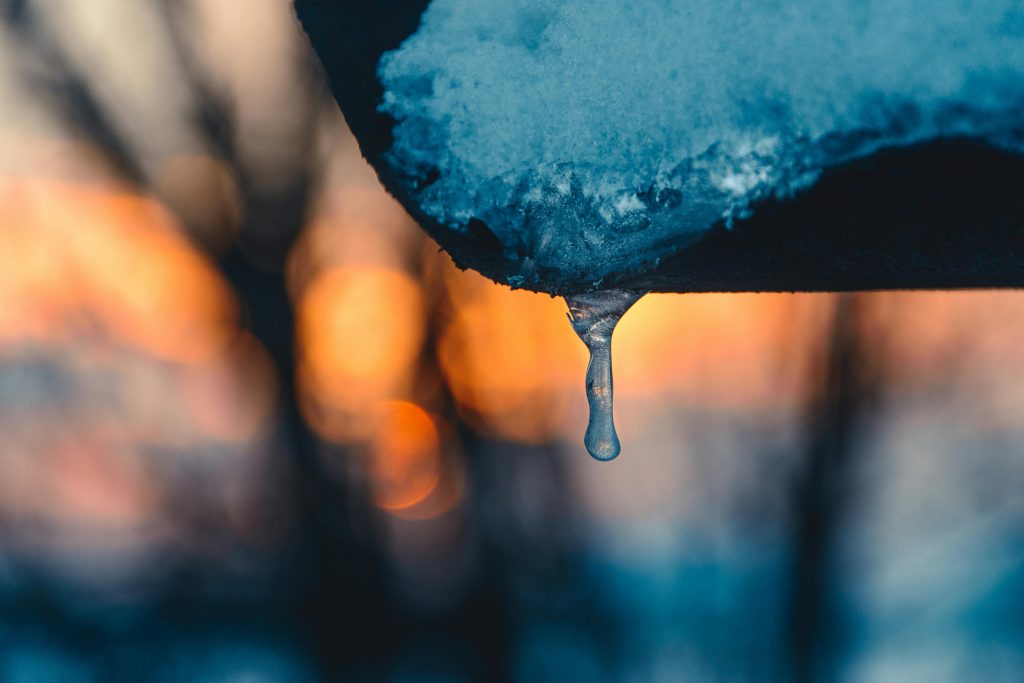
Winter in the Pacific Northwest is rarely simple. We swing from heavy rain to overnight freeze, from slush to black ice. When steps, driveways, and walkways glaze over, you need traction and melting power, but you also care about:
- Concrete and paver damage
- Pet paws
- Lawn and landscape health along the edges
This guide will help you make clear, calm decisions about ice melt around your home, farm, or commercial site. We will cover:
- How different ice melt products behave
- Where blended traction plus melt products like Traxxion make sense
- How to minimize damage to concrete, soil, and plants
- How to repair and recover edges in late winter with gypsum and fertilizer
You can stay safe on the ice without sacrificing your soil and landscape in spring.
How ice melt products actually work
Most ice melt products:
- Lower the freezing point of water
- Break the bond between ice and the surface
- Help water form instead of slick ice at certain temperatures
The active ingredients vary, but many use chloride salts such as:
- Sodium chloride
- Calcium chloride
- Magnesium chloride
- Potassium chloride
Some products combine these salts with:
- Traction materials such as sand, stone, or organic grit
- Colorants so you can see where you have applied
- Corrosion inhibitors or performance enhancers
The details matter, but one principle is universal:
More is not always better. Correct application and good shoveling practice often matter more than maximum strength chemistry.
The problem with “just rock salt” in the PNW
Traditional rock salt can work as a de-icer, but it has drawbacks in our climate:
- It is often overapplied, especially by hand
- Sodium can damage concrete, metal, and surrounding soil
- Salt-laden runoff can move into lawns, beds, and storm drains
- Straight salt offers no traction if it melts and refreezes on smooth surfaces
On rough rural surfaces, plain salt may still have a place, but around homes, entryways, and landscaped areas, many people prefer:
- More controlled blends
- Products that combine traction plus melt
- Options that are friendlier to pets and plants when used correctly
That is where products like Traxxion come into the picture.
Why combine traction and melt: Traxxion as an example
Traction is your first line of defense against falls. Melt is your second.
[Supply Solutions Traxxion Granular Traction with Ice Melt] is designed to deliver both:
- An all-organic traction blend that stays on top of ice and gives shoes and tires something to grip
- An ice melt component that helps break the bond between ice and the surface
- Colored granules that show where product has been applied
- A formulation selected with pets and landscaping in mind when used at recommended rates
This approach is especially useful:
- On residential sidewalks, steps, and entries
- Around store, church, and office doorways
- On farm and acreage walkways between house, shop, and barn
Because you get friction plus melting, you can often use less product overall, which reduces the load on concrete and adjacent soil.
Matching products to surfaces and priorities
You do not need one ice melt for every single surface. Instead, think in zones.
Zone 1: People-first entrances and steps
- Priority: slip prevention and safety
- Typical surfaces: porch steps, main walkway, stoop, small commercial entry
Good choices:
- Traction plus melt products like Traxxion
- Treated blends designed for visibility and grip
Practices:
- Shovel first to remove loose snow
- Apply a moderate, even layer of product
- Reapply only where needed, not automatically
Zone 2: Driveways and parking areas
- Priority: vehicle traction, slope safety, drainage paths
Good choices:
- Higher-performance ice melt products for steeper slopes and shaded sections
- Traction materials (like sand or organic grit) on top of packed snow or thin ice
Practices:
- Plow or shovel before applying de-icer
- Focus product on steep, shaded, or high-traffic areas rather than the entire surface
- Avoid pushing piles of heavily treated snow directly into lawns and planting beds when possible
Zone 3: Farm and acreage paths
- Priority: safe footing for people and livestock, basic vehicle access
Good choices:
- Traction-oriented products on packed surfaces
- Targeted de-icer applications near doors, gates, and slopes
Practices:
- Use mechanical removal and regrading to limit water pooling and refreeze
- Protect livestock from ingesting accumulated melt product in concentrated areas
By assigning each zone a “job,” you can select products and rates more deliberately.
Protecting concrete and pavers
Concrete and pavers are vulnerable to:
- Freeze–thaw cycles
- Repeated wetting and drying
- Aggressive de-icing salts, especially when overapplied
To protect these surfaces:
- Choose ice melt products intended for use on concrete and pavers, following label guidance on curing age and temperature limits.
- Avoid “more is better.” Follow the recommended spread rate.
- Shovel promptly so you are not asking chemicals alone to do all the work.
- Sweep excess product back into storage or into a collection bucket when conditions improve.
For newer concrete:
- Observe minimum cure times before using any de-icer (many labels give specific timelines).
- In the first year, you may rely more on mechanical removal and traction materials (such as Traxxion’s organic grit) and use de-icers more cautiously.
If you are unsure whether a specific product is suitable for your concrete, check the label and consult with Supply Solutions for guidance.
Caring for pets in icy conditions
Pet paws are sensitive to:
- Sharp ice and crusted snow
- Some de-icing chemicals, especially if they lick their paws afterward
- Temperature extremes on bare surfaces
Good pet-conscious habits include:
- Choosing products formulated to be safer for pets when used correctly, such as Traxxion in pedestrian and pet areas.
- Clearing a dedicated pet area with shoveling and traction, using minimal de-icer.
- Wiping or rinsing paws after walks in treated areas.
If your pets share space with livestock or move through farmyards where multiple products are used, aim to:
- Minimize their unsupervised time in heavily treated zones
- Store bags and buckets of ice melt where pets cannot chew through them
A little planning makes winter safer for your animals without sacrificing your footing.
Protecting lawns and plants along walkways
Ice melt can affect lawns and beds along edges by:
- Direct application during spreading
- Splash and spray from vehicles
- Meltwater carrying salts into root zones
Signs of damage in spring include:
- Brown, straw-colored strips of grass along driveways and sidewalks
- Stunted, burned tips on evergreen groundcovers and shrubs
- Slow green-up and weak growth despite spring fertilization
To reduce damage:
- Aim carefully when applying. Do not overshoot onto lawns and beds.
- Sweep stray granules off grass and back onto hard surfaces after storms.
- Use plant-conscious products in areas where runoff flows directly into beds.
- Use only the amount necessary for safety.
In areas where salt exposure is unavoidable, plan a recovery program in late winter and early spring.
Late winter recovery: gypsum and fertilizer for damaged edges
If you end winter with visible edge damage:
- Wait for a thaw and drier surface conditions.
- Rake lightly to remove dead material and improve air flow at the soil surface.
- Soil test problem strips separately from healthy lawn or bed areas.
With those results, you can:
- Use Purest Gypsum Soil Acidifier where sodium or structural issues are present, to supply calcium and sulfur and help flush salts when combined with good drainage and rainfall.
- Apply a balanced fertilizer such as 16-16-16 to encourage recovery in lawns and mixed borders where P and K are not excessive.
- Overseed lawn strips once soil warms enough for germination.
In beds:
- Consider topdressing with compost to dilute surface salt concentration and support biology.
- Use careful, moderate fertilization based on soil tests to avoid overcorrecting.
Gypsum, fertilizer, and overseeding together can bring many winter-damaged edges back to life over a season or two.
A practical ice melt checklist
To simplify your decisions, here is a short checklist:
- Map zones: entrances, driveways, farm paths
- Choose traction + melt products like Traxxion for people-first areas
- Reserve high-strength de-icers for steep or high-risk surfaces
- Protect pets with a cleared path and paw-cleaning habit
- Use care near lawns and beds, then sweep excess product back on hard surfaces
- Plan a late winter recovery program with soil testing, gypsum, and appropriate fertilizer
If you are unsure which products best fit your surfaces, traffic patterns, and plantings, Supply Solutions can help you match ice melt, traction, and follow-up soil amendments to your specific site.
Supply Solutions, LLC – Fertilizer, Agricultural & Safety Solutions
Phone: 503-451-1622
Email: sales@mysolutionssupply.com
Hours: Monday to Friday, 7:00 a.m. to 5:00 p.m.
Web: www.mysolutionssupply.com
We provide Traxxion granular traction with ice melt, high-performance de-icers, Purest Gypsum Soil Acidifier, lawn and garden fertilizers, and practical guidance to help Pacific Northwest homeowners, farms, and commercial sites stay safe on winter ice while protecting concrete, pets, and plants.