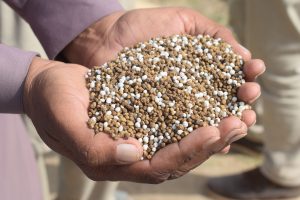
Fertilizing can feel like the finish line. You apply the product, put the spreader away, and check “fertility” off your list.
In reality, the first 30 days after fertilizing are just as important as the application itself. That is when you:
- See how your soil and plants respond
- Catch problems early, before they become expensive
- Decide whether your rate and timing were on target
This guide will help you make the most of those first 30 days for:
- Lawns
- Vegetable gardens and raised beds
- Pastures
- Field crops and hay
We will tie observations back to products you may have used, such as 10-10-10, 16-16-16, 25-7-12, urea, ammonium sulfate, sulfate of potash, gypsum, and Pacific Bounty fish fertilizers.
Why the first 30 days matter
In that first month you can:
- Confirm that water and weather conditions are supporting nutrient movement into the root zone
- See early signs of positive response (color, density, growth)
- Spot potential issues like overfertilization, uneven spreading, or underlying soil problems
If you pay attention, you can:
- Adjust mowing, watering, and grazing in real time
- Plan the next application more accurately
- Avoid “chasing” problems later with random extra fertilizer
Think of this period as a feedback window between your plan and your plants.
Lawns: color, density, and mowing behavior
If you applied a product such as 16-16-16 or 25-7-12 to your lawn:
Days 1–7
- After rainfall or irrigation, nutrients move into the upper root zone.
- You may not see much change for a few days, especially in cool soil.
Watch for:
- Any obvious burn or discoloration along overlaps or spills.
- Water movement: puddling versus infiltration.
If you see burn:
- Look for stripes or patches that match spreader passes.
- Lightly irrigate to help dilute and move nutrients deeper.
- Avoid additional fertilizer until the grass has recovered.
Days 7–14
- Color should begin to improve: a deeper, more even green across the lawn.
- Mowing frequency may increase slightly as growth responds.
You want:
- More uniform color, not dark green streaks next to lighter ones.
- Grass blades that look healthy and upright, not limp or overly soft.
If color is streaky:
- You may have overlapped unevenly or had a calibration issue.
- Make a note for the next application and consider recalibrating your spreader.
If color does not change at all:
- Check whether water has been adequate.
- Consider whether soil is too cold for much response yet.
- Look back at your soil test and rates; you may have underapplied.
Days 14–30
- Lawn growth should settle into a steady pattern.
- Root growth continues beneath the surface.
Adjust:
- Mowing height and frequency to match growth, keeping mow height appropriate for your grass type.
- Irrigation (if used) to water deeply and less frequently rather than every day.
Use this month’s observations to decide:
- Whether your next application should be similar, lighter, or heavier.
- Whether you need additional support such as gypsum for structural issues or fish fertilizer for problem areas.
Gardens and raised beds: early vigor and root development
In vegetable gardens and raised beds fertilized with 10-10-10, 16-16-16, fish bone meal, Pacific Bounty liquid fish, or combinations:
Days 1–7
For established beds:
- Nutrients begin moving into the topsoil, especially after watering.
- Existing plants may not show immediate change, particularly in cool weather.
For newly planted seeds:
- Be sure fertilizer is not sitting directly in the seed row at high concentration, which can slow germination.
Watch for:
- Any seedling burn or wilting right after application.
- Overly saturated soil, which slows nutrient uptake and suffocates roots.
Days 7–14
- Seedlings should be emerging and showing their first true leaves.
- Transplants should be recovering from transplant shock and beginning new growth.
Healthy signs:
- New leaves with good color and shape.
- Roots that explore outward and downward when you carefully check a test plant.
Worrisome signs:
- Pale, yellowish new growth despite recent feeding, which may suggest nitrogen deficiency, cool soil, or waterlogging.
- Dark green but excessively soft, lush growth with few roots, which may indicate overfertilization or too much nitrogen.
If you used Pacific Bounty liquid fish:
- Watch for steady, moderate growth rather than a sudden flush.
- Keep to label rates and intervals; do not double up at the first sign of slow growth.
Days 14–30
- Root systems should be extending, especially in well-structured soils.
- Leaf color and growth patterns should begin to reflect overall fertility.
In this window you can:
- Side dress heavy feeders like corn, brassicas, and tomatoes if soil tests and plant appearance support it.
- Use additional fish fertilizer for mid-season support, while respecting total nitrogen from all sources.
If certain areas lag:
- Compare them with better-performing sections.
- Consider soil structure issues, drainage, or compaction, not just fertilizer.
- Use gypsum, compost, or other structural supports where needed.
Pastures: early flush and grazing decisions
For pastures fertilized with urea, ammonium sulfate, sulfate of potash, or combinations:
Days 1–7
- Fertilizer dissolves and moves into the root zone with rainfall.
- Cool soil will slow response; saturated soil will increase leaching risk.
Watch for:
- Any spreading misses or overlaps that show as distinct color bands.
- Water movement patterns across the pasture.
If you have low-lying zones:
- Pay extra attention to how they drain and whether they show signs of nutrient loss or water damage.
Days 7–14
- Grass in responsive pastures should begin to green and thicken.
- Growth rate may pick up quickly if temperatures cooperate.
This is when you:
- Decide when to begin grazing based on height and ground firmness.
- Avoid turning animals out too early, which can shear off new growth and damage soils still soft from winter.
Days 14–30
- Forages should be in active growth.
- You may be able to take early grazing or plan a first cut in hay systems.
Watch for:
- Uneven growth patterns that reflect older compaction, pH, or nutrient differences.
- Areas that lag even though they received the same fertilizer.
Use this information to:
- Plan gypsum or organic amendments such as Pacific Bounty dry fish on selected paddocks.
- Adjust next nitrogen and potassium applications to match areas that are responding best.
Fields and hay: stand response and lodging risk
In fields and hay stands, spring fertilization with urea, ammonium sulfate, 16-16-16, or sulfate of potash should be monitored with:
Days 1–7
- Observation of moisture conditions and any runoff or ponding.
- Checks for surface caking or fertilizer that did not dissolve as expected.
Days 7–21
- Assessment of stand recovery and tillering in grasses.
- Leaf color and overall vigor.
Healthy signposts:
- Uniform green-up across the field.
- Good tiller density without excessive, weak top growth.
Lodging risk flags:
- Very lush, rank top growth in dense, high-nitrogen fields, particularly under high moisture.
If lodging looks likely:
- Adjust your harvest timing and nitrogen plan later in the season.
- Consult with Supply Solutions about balancing nitrogen and potassium for stand strength.
Days 21–30
- Use this period to walk fields and note differences between test strips or different application rates.
- Evaluate whether gypsum made a difference in soil that was compacted or salt-affected.
These observations help you refine future applications much more effectively than memory alone.
Fish fertilizers and the 30-day response window
Pacific Bounty liquid fish and dry fish fertilizers behave differently from high-analysis synthetics:
- They often produce a steadier, more gradual response.
- They support biological activity that may show up as improved tilth, root health, and color over several weeks rather than overnight.
In the first 30 days:
- Look at soil structure as much as plant tops.
- Note whether treated areas hold moisture better, resist crusting, or show more earthworm activity.
These clues tell you whether your hybrid or organic-leaning program is doing what you want below the surface.
Taking notes and planning next steps
The first 30 days after fertilizing are an ideal time to:
- Take photos from set angles to compare growth across time
- Write down what you see in a notebook or on your phone
- Mark problem spots on a simple map
Include:
- Product, rate, and date of application
- Weather patterns (rain, frost, warm spells)
- Visual notes: color, density, growth rate, any problems
Then, when you talk with Supply Solutions or revisit soil tests, you have concrete information to guide adjustments.
When to call for help
If, in those first 30 days, you see:
- No response at all, despite decent conditions
- Strange symptoms that are not clearly deficiency or excess
- Areas that behave very differently from the rest of the lawn, field, or garden
- Repeated problems in the same zones year after year
reach out to Supply Solutions. We can help you:
- Interpret what you are seeing in light of your soil tests and products
- Decide whether rates, timing, or product choices need adjustment
- Identify where gypsum, fish fertilizers, or specific NPK sources can correct underlying issues
That way, each application teaches you something and your fertility program improves year by year.
Supply Solutions, LLC – Fertilizer, Agricultural & Safety Solutions
Phone: 503-451-1622
Email: sales@mysolutionssupply.com
Hours: Monday to Friday, 7:00 a.m. to 5:00 p.m.
Web: www.mysolutionssupply.com
We provide 10-10-10 and 16-16-16 granular fertilizers, 25-7-12 turf products, urea, ammonium sulfate, sulfate of potash, Purest Gypsum Soil Acidifier, Pacific Bounty organic fish fertilizers, soil testing support, and practical guidance to help Pacific Northwest growers understand and act on what they see in the first 30 days after fertilizing.