

Uncategorized
How Much Fertilizer Does Your Crop Really Need in Week One?
The first week after planting rarely looks like much. From the surface, there’s very little to evaluate. Emergence may just be starting, or not yet

Every growing season begins long before the first seeds emerge from the soil. Experienced farmers know that the success of a crop is often decided weeks or even months before planting. Early spring soil nutrition is one of the most important factors that influences crop establishment, plant vigor, and ultimately harvest yield.
When soil fertility is balanced at the start of the season, crops develop stronger roots, healthier foliage, and improved resilience against environmental stress. On the other hand, when soil nutrients are lacking or uneven, plants struggle to establish themselves and often spend the entire growing season trying to recover.
Understanding how early spring fertility works allows farmers, gardeners, and orchard growers to create a foundation that supports crops from planting through harvest. Balanced fertilizer programs help soil deliver the nutrients plants need at the exact moment they begin active growth.
One of the most practical ways to establish this foundation is through a balanced fertilizer program that supports nitrogen, phosphorus, and potassium levels in the soil.
For many growers, products like the Supply Solutions 16-16-16 Complete Fertilizer provide a simple and effective starting point for building that early season fertility.
As winter temperatures begin to rise, soil slowly transitions from dormancy to biological activity. Microorganisms become active again, organic matter begins to break down, and nutrients that were previously locked in the soil start to move into plant-available forms.
This transition period is critical because young crops rely on readily available nutrients during their earliest growth stages. If nutrients are not available when roots begin to develop, plants often experience slow growth that can impact yield potential later in the season.
Spring soil fertility programs aim to make sure the soil is ready before crops begin to demand nutrients. Balanced fertilizers provide nutrients in forms that plants can absorb quickly while also supporting longer term soil health.
Farmers who invest time into early soil nutrition often notice stronger crop emergence and more uniform plant development across the field.
Balanced fertilizers contain three essential nutrients that support plant growth. These nutrients are commonly referred to as NPK, which stands for nitrogen, phosphorus, and potassium.
Each nutrient plays a different role in plant development.
Nitrogen supports leaf and stem growth. It drives photosynthesis and helps plants develop strong green foliage.
Phosphorus supports root development and energy transfer inside the plant. It plays an essential role in early root establishment and plant metabolism.
Potassium helps regulate water movement inside the plant and supports stress resistance, disease tolerance, and overall plant strength.
A fertilizer labeled 16-16-16 contains equal percentages of these three nutrients. This balanced ratio helps provide a stable nutrient environment for crops during early growth.
Many farmers prefer balanced fertilizers in early spring because they provide multiple essential nutrients in one application.
The Supply Solutions 16-16-16 Complete Fertilizer is designed to deliver these nutrients in a consistent and reliable form that supports early plant development across a wide range of crops.
Roots are the foundation of every plant. When root systems develop properly, plants are better able to absorb water, nutrients, and oxygen from the soil.
Early phosphorus availability is especially important for root development. When phosphorus is present in the soil during early growth, crops can develop deeper and stronger root systems.
Stronger roots allow plants to explore a larger volume of soil for nutrients and moisture. This often leads to healthier plants that are more resilient during periods of drought or environmental stress.
When early nutrition is neglected, plants may develop shallow or weak root systems. This can lead to uneven crop growth and reduced productivity later in the season.
Balanced fertilizers provide phosphorus that supports root establishment while also supplying nitrogen and potassium needed for early plant development.
Uniform crop establishment is one of the biggest advantages of proper spring fertilization. When nutrients are evenly distributed in the soil, seedlings have immediate access to the resources they need for growth.
This allows crops to establish quickly and develop consistent plant size across the field.
Uniform plant growth offers several advantages for farmers.
It simplifies irrigation and nutrient management.
It improves crop competition against weeds.
It supports more predictable flowering and harvest timing.
When fields establish evenly, farmers often find it easier to manage crop inputs throughout the season.
Balanced fertilizers help create this consistency by providing nutrients that support early plant metabolism.
Nitrogen is often the most visible nutrient in crop production because it directly influences leaf development and plant color.
When nitrogen levels are sufficient, plants develop strong green foliage that supports photosynthesis. This process allows plants to convert sunlight into energy that fuels growth.
Early nitrogen availability helps crops develop a strong canopy that captures sunlight efficiently.
However, nitrogen works best when it is balanced with other nutrients. Excess nitrogen without adequate phosphorus or potassium can lead to uneven growth or weak plant structure.
Balanced fertilizers provide nitrogen alongside other essential nutrients to support steady plant development.
Potassium is sometimes overlooked during early crop development, but it plays an important role in plant health.
This nutrient helps regulate water movement inside plant tissues and supports enzyme activity that controls many plant processes.
Crops that receive adequate potassium early in the season often show stronger stems and improved resistance to stress.
Potassium also supports the plant’s ability to handle changes in temperature and moisture. These conditions are common during early spring when weather patterns can fluctuate.
Balanced fertilizers help maintain potassium levels that support plant strength from the beginning of the season.
Many different crops benefit from balanced fertilizers during early spring.
Corn is one of the most responsive crops to early soil fertility. Strong early nutrition helps corn develop deep root systems and healthy leaf growth.
Vegetable crops such as tomatoes, peppers, beans, and cucumbers also benefit from balanced fertilizers during planting. These crops rely on strong root development and steady nutrient availability.
Root crops like carrots and potatoes benefit from balanced soil nutrition because healthy soil structure supports proper root formation.
Fruit orchards can also benefit from balanced fertilizers applied during the early growing season. Nutrient availability during this period helps trees prepare for flowering and fruit development later in the year.
Because balanced fertilizers support multiple nutrients at once, they are often used across a wide range of crops and production systems.
Proper soil preparation helps fertilizers perform more effectively.
Soil testing is one of the most valuable tools available to farmers and gardeners. Testing reveals nutrient levels, soil pH, and organic matter content.
With this information, growers can adjust fertilizer programs to match the specific needs of their soil.
Incorporating fertilizers evenly into the soil helps distribute nutrients throughout the root zone. This ensures young plants have access to nutrients as roots expand.
Good soil structure also improves nutrient uptake. Soils that drain well and contain organic matter support healthy root growth and microbial activity.
Farmers who combine soil testing with balanced fertilization often achieve more efficient nutrient use and improved crop performance.
Healthy soil is more than just minerals and nutrients. It is a living system filled with microorganisms that play an important role in nutrient cycling.
Bacteria, fungi, and other soil organisms help break down organic matter and release nutrients in forms that plants can absorb.
When soils receive balanced nutrition, microbial activity tends to increase. This activity supports long term soil fertility and improves nutrient availability throughout the growing season.
Balanced fertilizers provide nutrients that support both plant growth and soil biological activity.
Maintaining this balance helps create a productive environment where plants and soil organisms work together.
Every farm and garden is different, which means fertilizer programs should always reflect local soil conditions and crop needs.
Some growers apply balanced fertilizers before planting to establish baseline fertility. Others may incorporate fertilizers into the soil during planting to support early crop development.
Weather patterns, soil type, and crop selection all influence fertilizer timing.
Farmers who observe their fields carefully and adjust fertility programs accordingly often see better results over time.
Balanced fertilizers are commonly used as a starting point because they provide essential nutrients in a simple and effective form.
For growers looking to build a reliable early season fertility program, the Supply Solutions 16-16-16 Complete Fertilizer offers a practical option for supporting soil nutrition and crop establishment.
Always review the product label and follow recommended application guidance to ensure safe and effective use.
The early weeks of the growing season often determine how crops will perform months later. Healthy soils that contain balanced nutrients provide plants with the resources they need to grow, adapt, and produce.
By focusing on early soil nutrition, farmers and gardeners can create conditions that support stronger roots, healthier foliage, and improved resilience against stress.
Balanced fertilizers help deliver the nutrients that plants require during their earliest stages of development. When used thoughtfully and combined with good soil management practices, they can play a valuable role in building productive fields and gardens.
A successful harvest often begins with the decisions made long before planting day. Investing in soil fertility early in the season is one of the most reliable ways to support healthy crops and productive land for years to come.
Supply Solutions provides dependable agricultural products designed to support farmers, gardeners, and land managers throughout the growing season. Our goal is to offer practical solutions that help crops thrive while supporting healthy soil and responsible nutrient management.
Explore our full selection of fertilizers and agricultural supplies at
https://www.mysolutionssupply.com
If you have questions about product selection or application, contact Supply Solutions or consult the product label for detailed guidance.
The first week after planting rarely looks like much. From the surface, there’s very little to evaluate. Emergence may just be starting, or not yet
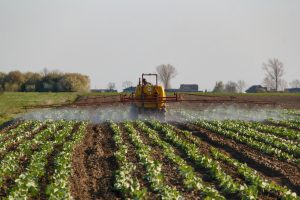
Planting tends to compress a lot of decisions into a short window. Field conditions line up just enough to move forward, equipment is running, and
Give us a call or visit our store, and we’ll help you find the right solution for your business.
© Supply Solutions LLC 2025