The early part of the growing season often determines how successful crops will be months later. Before seeds are planted or transplants are placed into the soil, growers have an opportunity to prepare their fields in a way that supports strong plant development from the beginning.
One of the most important parts of early season preparation is soil fertility. When nutrients are balanced in the soil before planting, crops are able to establish quickly, develop strong roots, and grow more consistently throughout the field.
Balanced fertilizers play an important role in this process. They supply several essential nutrients at once, allowing young plants to access what they need as soon as roots begin expanding into the soil.
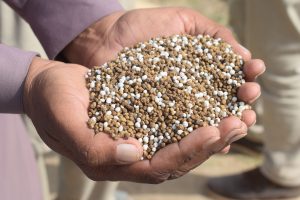
For many farmers and gardeners, using a balanced fertilizer such as Supply Solutions 10-10-10 Complete Fertilizer provides a reliable way to prepare soil before planting. This type of fertilizer contains equal parts nitrogen, phosphorus, and potassium, which support several important stages of early plant development.
Understanding how balanced fertilizers work can help growers build stronger root systems and create a healthier foundation for crops throughout the season.
Why Root Development Matters Early in the Season
Before plants grow above the soil surface, a large amount of activity is already happening underground. Seeds begin absorbing moisture, enzymes activate, and the first root structures start to form.
These early roots play a critical role in plant survival. They allow seedlings to absorb water and nutrients while anchoring the plant in the soil.
When roots develop properly during the early stages of growth, plants gain several advantages that can influence their entire life cycle.
Strong root systems allow crops to explore a larger area of soil for nutrients and moisture. They help plants tolerate short periods of drought and allow crops to recover more quickly from environmental stress.
However, if soil fertility is poor or nutrients are unevenly distributed, roots may struggle to develop properly. This can slow plant growth and limit the crop’s ability to absorb nutrients later in the season.
Balanced fertilizers help prevent these problems by providing essential nutrients in the soil before planting begins.
Understanding Balanced Fertilizers
Balanced fertilizers contain equal amounts of the three primary plant nutrients. These nutrients are commonly referred to as nitrogen, phosphorus, and potassium.
Each one supports a different part of plant development.
Nitrogen promotes leafy growth and supports the production of chlorophyll. This allows plants to capture sunlight and convert it into energy through photosynthesis.
Phosphorus supports root development and energy transfer inside plant cells. It plays an especially important role during the early stages of plant growth.
Potassium supports plant strength and helps regulate water movement inside plant tissues. It also plays a role in enzyme activity and plant stress tolerance.
When these nutrients are provided in balanced proportions, plants are able to develop steadily without experiencing nutrient shortages during early growth.
Balanced fertilizers simplify soil preparation because they provide multiple nutrients in a single product.
For example, the Supply Solutions 10-10-10 Complete Fertilizer delivers nitrogen, phosphorus, and potassium in equal amounts. This balanced ratio makes it a practical option for soil preparation before planting a wide variety of crops.
Nitrogen and Early Plant Growth
Nitrogen is often the nutrient most closely associated with plant growth because it directly influences leaf development and plant color.
When nitrogen is available in the soil, plants produce the green pigments that allow them to capture sunlight efficiently. This process is essential for photosynthesis, which fuels plant growth.
During the early stages of crop development, nitrogen helps seedlings begin forming the foliage that will power the rest of the growing season.
However, nitrogen works best when it is balanced with other nutrients. Excess nitrogen without sufficient phosphorus or potassium can lead to weak plant structure or uneven growth.
Balanced fertilizers ensure that nitrogen is available while still maintaining proper proportions of other nutrients that support overall plant health.
Phosphorus and Root Establishment
While nitrogen helps plants grow above ground, phosphorus plays a central role below the soil surface.
This nutrient supports the formation of new plant tissues and helps plants transfer energy throughout their cells.
When phosphorus is available in the soil during early growth, plants are able to develop deeper and more extensive root systems. These roots allow crops to access nutrients and moisture from a larger volume of soil.
This is particularly important during the early stages of plant development, when crops are establishing themselves in the field.
Strong root systems also improve plant stability and increase the plant’s ability to tolerate environmental stress.
Balanced fertilizers include phosphorus specifically to support this early root establishment.
Potassium and Plant Strength
Potassium is another essential nutrient that supports overall plant health. While it may not be as visible as nitrogen in early growth, potassium contributes to many important plant processes.
This nutrient helps regulate water movement within plant tissues and supports enzyme activity that influences plant metabolism.
Potassium also helps plants respond to environmental stress such as temperature fluctuations or inconsistent moisture conditions.
Crops that receive sufficient potassium early in the season often develop stronger stems and improved resilience throughout the growing season.
Balanced fertilizers supply potassium alongside nitrogen and phosphorus so that plants receive all three nutrients together during early development.
Preparing Soil Before Planting
Proper soil preparation helps fertilizers work more effectively. Growers who take time to understand their soil conditions can make better decisions about nutrient management.
Soil testing is one of the most valuable tools available for this purpose. A soil test reveals nutrient levels, soil pH, and organic matter content.
With this information, farmers and gardeners can determine which nutrients may need to be supplemented before planting.
Once soil conditions are understood, fertilizers can be applied evenly across the field or garden area.
Many growers incorporate fertilizers into the soil during field preparation so nutrients are available throughout the root zone.
This allows young plants to access nutrients immediately as roots begin to expand.
Using a balanced fertilizer like Supply Solutions 10-10-10 Complete Fertilizer during soil preparation helps ensure that essential nutrients are available when plants begin active growth.
Always follow label instructions to ensure proper application and safe use.
Crops That Benefit from Balanced Fertilizers
Balanced fertilizers are widely used because they support the growth of many different crops.
Corn often responds well to balanced soil fertility during the early stages of growth. Strong root development helps corn establish quickly and begin building the canopy that will support grain production later in the season.
Vegetable crops also benefit from balanced fertilizers. Tomatoes, peppers, cucumbers, beans, and squash require steady nutrient availability as they begin growing.
Root crops such as carrots and potatoes rely on healthy soil fertility to support proper root formation.
Leafy greens including lettuce and spinach also benefit from balanced nutrition during early growth.
Because balanced fertilizers provide multiple nutrients in a single application, they are useful in both large agricultural fields and smaller garden settings.
Supporting Soil Health Alongside Fertilization
Fertilizers provide nutrients that plants require, but healthy soil also depends on biological activity and organic matter.
Soil contains many types of microorganisms that help break down organic materials and release nutrients into forms that plants can absorb.
These microorganisms play an important role in maintaining long term soil fertility.
When soil nutrients are balanced, microbial activity often improves. This activity helps sustain nutrient availability throughout the growing season.
Adding organic matter through compost, crop residues, or cover crops can further support soil health.
Balanced fertilizer programs work best when they are combined with soil management practices that maintain soil structure and biological activity.
Fertilizer Timing and Nutrient Efficiency
Timing is an important factor in fertilizer efficiency. Applying nutrients at the right time ensures that crops can use them effectively.
Early spring applications allow nutrients to be present in the soil when plants begin active growth.
This reduces the chance that nutrients will be lost through runoff or leaching before plants can absorb them.
Weather conditions, soil moisture, and temperature can influence how quickly nutrients become available to plants.
Farmers who observe field conditions carefully can adjust fertilizer programs to match the needs of their crops.
Balanced fertilizers provide a dependable starting point for nutrient management during early spring.
Building a Strong Start for the Growing Season
The early stages of crop development often determine how productive plants will be later in the season. When soil fertility supports strong root growth, plants gain access to the nutrients and water they need to thrive.
Balanced fertilizers help create the conditions that allow crops to establish quickly and grow consistently.
By supplying nitrogen, phosphorus, and potassium together, these fertilizers support multiple aspects of plant development at once.
Farmers and gardeners who prepare their soil carefully before planting often see stronger crops and more reliable harvests.
Using a balanced fertilizer such as Supply Solutions 10-10-10 Complete Fertilizer can help provide the nutrients necessary for early plant development.
As always, growers should review product labels and follow recommended application guidance to ensure proper use.
Preparing for a Productive Season
Successful crop production begins long before plants reach maturity. Soil preparation, nutrient planning, and careful field management all contribute to the health and productivity of crops.
Balanced fertilizers provide a practical way to support early plant growth while maintaining soil fertility.
When used responsibly and combined with good soil management practices, they help create an environment where crops can develop strong roots and grow steadily throughout the season.
Healthy soil and balanced nutrition form the foundation of productive agriculture. By focusing on soil fertility before planting, growers take an important step toward building a successful growing season.
Supply Solutions
Supply Solutions provides dependable agricultural products designed to support farmers, gardeners, and land managers throughout the growing season. Our goal is to offer practical fertilizer solutions that help crops thrive while supporting responsible soil management.
Explore our full range of agricultural fertilizers and supplies at
https://www.mysolutionssupply.com
For questions about product selection or application guidance, contact Supply Solutions or consult the product label for detailed instructions.