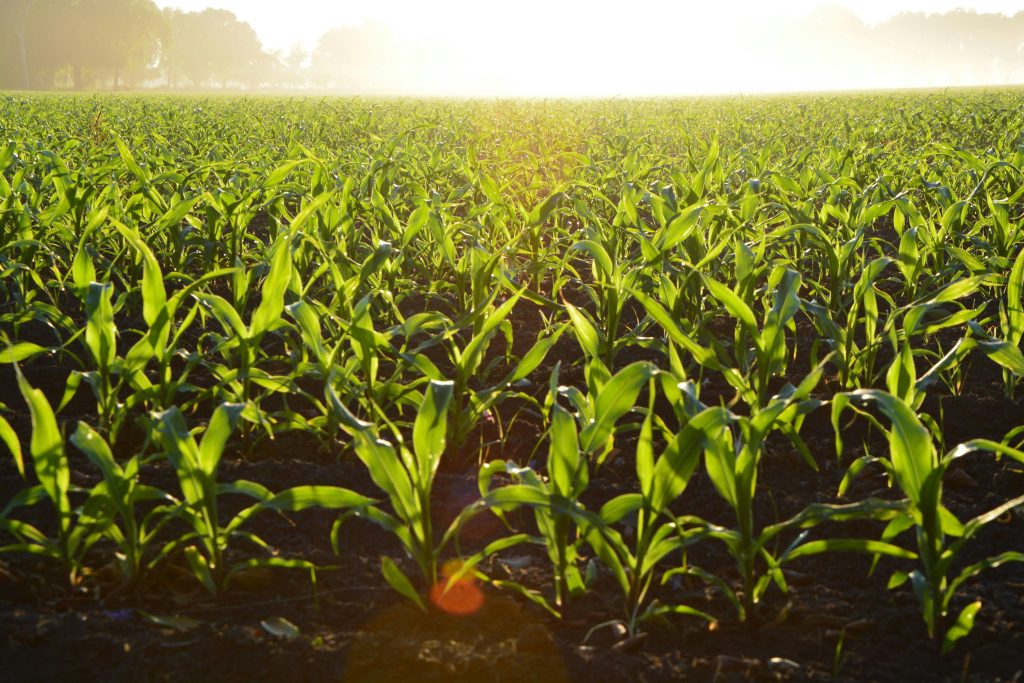
As the growing season begins, farmers across the country start preparing their fields for one of the most important stages of crop development. Early growth sets the pace for everything that follows, and the nutrients available during this time can strongly influence plant health, crop uniformity, and final yield.
Among all the nutrients required by crops, nitrogen often receives the most attention. It is the nutrient most closely tied to plant growth, leaf development, and overall crop vigor. When nitrogen is available at the right time and in the right amount, crops establish quickly and develop the foliage needed to support strong photosynthesis.
Understanding the role nitrogen plays in early crop development can help growers build better fertility programs and avoid common nutrient problems that limit productivity.
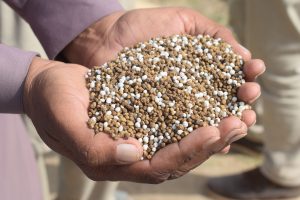
One of the most widely used nitrogen sources for agricultural production is Supply Solutions Urea Nitrogen 46-0-0, which provides a concentrated form of nitrogen that supports strong vegetative growth during the early stages of the growing season.
By understanding how nitrogen works within the plant and within the soil, farmers can use this nutrient more effectively and support healthier crop development from the beginning.
Why Nitrogen Matters So Much for Crops
Nitrogen is essential for nearly every aspect of plant growth. It is a major component of chlorophyll, the molecule responsible for capturing sunlight during photosynthesis. Without adequate nitrogen, plants cannot produce the energy needed to fuel growth.
Nitrogen is also a key component of amino acids, which are the building blocks of plant proteins. These proteins support cell development, tissue growth, and enzyme activity throughout the plant.
Because nitrogen is involved in so many plant processes, crops tend to respond quickly when nitrogen becomes available in the soil.
During early growth stages, nitrogen encourages plants to develop the leaves and stems that will support the rest of the growing season. Healthy foliage allows crops to capture more sunlight, which increases energy production and supports stronger plant development.
When nitrogen is limited, plants often appear pale green or yellow and may grow slowly. These symptoms can reduce crop vigor and limit yield potential if not corrected.
Providing nitrogen early in the season helps prevent these issues and allows plants to establish quickly.
Early Growth and Vegetative Development
The early part of the growing season is often referred to as the vegetative stage. During this time, crops focus on developing stems, leaves, and roots.
These structures form the foundation that supports flowering, fruiting, and grain development later in the season.
Nitrogen plays a central role during this stage because it supports rapid cell growth and tissue formation.
When nitrogen is available in the soil, plants are able to produce new leaves more efficiently. Each leaf contributes to the plant’s ability to perform photosynthesis, which fuels additional growth.
As the canopy expands, crops become more efficient at capturing sunlight and converting it into energy.
This process allows plants to build strong structures that support later stages of development.
Applying nitrogen during early growth helps ensure that plants have the resources needed to develop healthy foliage and strong stems.
How Nitrogen Supports Photosynthesis
Photosynthesis is the process that allows plants to convert sunlight, water, and carbon dioxide into energy.
Nitrogen plays an important role in this process because it is a key component of chlorophyll. Chlorophyll gives plants their green color and enables them to absorb sunlight effectively.
When nitrogen levels are sufficient, plants produce more chlorophyll and develop darker green leaves.
These leaves capture sunlight more efficiently, allowing plants to produce the energy required for growth.
Stronger photosynthesis also supports better root development, improved nutrient uptake, and stronger plant metabolism.
When nitrogen is deficient, photosynthesis becomes less efficient. Leaves may appear yellow, and plant growth may slow significantly.
Ensuring that nitrogen is available during early crop development helps maintain healthy photosynthetic activity.
Nitrogen and Crop Uniformity
Uniform crop growth is an important goal for farmers because it simplifies crop management and often leads to better yields.
When plants develop evenly across the field, growers can manage irrigation, fertilization, and pest control more effectively.
Nitrogen availability plays a major role in crop uniformity.
If nitrogen levels vary across a field, some plants may grow vigorously while others struggle due to limited nutrient access. This uneven growth can create challenges during the growing season.
Applying nitrogen evenly across the field helps ensure that plants receive similar nutrient levels during early development.
Products such as Supply Solutions Urea Nitrogen 46-0-0 are commonly used because they provide a concentrated source of nitrogen that can be distributed efficiently across agricultural fields.
When used properly, nitrogen fertilizers help support consistent crop establishment and uniform plant growth.
Crops That Respond Strongly to Nitrogen
Many crops rely heavily on nitrogen for early growth. Some crops are especially responsive to nitrogen fertilization because they require large amounts of the nutrient to support their growth cycles.
Corn is one of the most nitrogen responsive crops grown in modern agriculture. Early nitrogen availability helps corn establish strong foliage and begin building the canopy needed for high grain production.
Wheat and other cereal crops also benefit from nitrogen during early development. Healthy foliage allows these crops to capture sunlight efficiently and support grain formation later in the season.
Vegetable crops such as lettuce, spinach, and cabbage also require nitrogen for rapid leaf development.
Tomatoes, peppers, and cucumbers benefit from balanced nitrogen availability during early vegetative growth before flowering begins.
Because nitrogen supports foliage development, it is particularly important for crops where leafy growth drives productivity.
Understanding Urea Nitrogen Fertilizer
Urea is one of the most widely used nitrogen fertilizers in agriculture because it contains a very high concentration of nitrogen.
Urea fertilizers typically contain about forty six percent nitrogen, which makes them one of the most efficient ways to deliver this nutrient to crops.
When urea is applied to soil, it undergoes a natural chemical transformation. Soil microorganisms convert the urea into forms of nitrogen that plants can absorb through their roots.
This process allows nitrogen to become available to crops over time.
Farmers often use urea fertilizers because they are easy to transport, store, and apply across large agricultural fields.
Products like Supply Solutions Urea Nitrogen 46-0-0 provide a concentrated nitrogen source that supports early vegetative growth across many types of crops.
Always consult the product label and follow recommended application practices when using nitrogen fertilizers.
Managing Nitrogen Responsibly
While nitrogen is essential for crop growth, proper management is important to ensure efficient use.
Applying too little nitrogen can lead to poor crop development and reduced yields. Applying too much nitrogen may result in excessive vegetative growth or nutrient loss from the soil.
Farmers often rely on soil testing to determine the amount of nitrogen needed for their specific crops and soil conditions.
Weather conditions can also influence nitrogen management. Heavy rainfall can sometimes move nitrogen deeper into the soil profile, while dry conditions may slow nutrient movement.
Timing nitrogen applications carefully helps ensure that crops receive the nutrient when they need it most.
Split applications are sometimes used in larger agricultural systems to provide nitrogen at different growth stages.
Responsible nitrogen management helps improve nutrient efficiency while supporting healthy crop growth.
Recognizing Nitrogen Deficiency
Identifying nitrogen deficiency early allows growers to respond quickly and protect crop health.
One of the most common signs of nitrogen deficiency is yellowing leaves. This often begins with older leaves because nitrogen moves within the plant toward new growth.
Plants may also appear smaller than normal or develop more slowly than neighboring crops.
In severe cases, nitrogen deficiency can reduce plant vigor and limit yield potential.
Regular field observation helps farmers identify nutrient problems early and adjust fertilizer programs when necessary.
Providing nitrogen during early crop development helps reduce the likelihood of these deficiencies occurring.
Nitrogen as Part of a Balanced Fertility Program
Although nitrogen is essential for crop growth, it works best when combined with other nutrients.
Phosphorus supports root development and energy transfer within the plant.
Potassium helps regulate water movement and supports plant strength and stress tolerance.
Balanced fertility programs often include multiple nutrients to support different aspects of plant development.
Nitrogen plays a central role within these programs because of its influence on vegetative growth and photosynthesis.
By combining nitrogen with other essential nutrients, farmers can create soil conditions that support healthy plant development from planting through harvest.
Supporting Early Season Crop Success
The early weeks of crop development are a critical period for building strong plants that can produce high yields later in the season.
Nitrogen plays a key role during this time by supporting leaf development, photosynthesis, and plant metabolism.
When nitrogen is available during early growth, crops establish more quickly and develop the foliage needed to capture sunlight efficiently.
Products such as Supply Solutions Urea Nitrogen 46-0-0 help deliver nitrogen in a concentrated form that supports vigorous early plant growth.
As with all fertilizers, growers should review product labels and follow recommended application guidance to ensure proper use.
Building the Foundation for a Productive Harvest
Agriculture often rewards preparation and careful planning. Farmers who pay close attention to soil fertility during the early growing season often see stronger crops and more reliable yields.
Nitrogen remains one of the most important nutrients in crop production because of its role in plant growth and energy production.
By providing nitrogen at the right time and in the right amount, growers help crops establish the strong foliage and plant structure needed to support the rest of the growing season.
When combined with responsible soil management and balanced fertility practices, nitrogen fertilizers can play an important role in building productive agricultural systems.
Supply Solutions
Supply Solutions supports farmers, gardeners, and land managers with dependable agricultural products designed to promote healthy crops and productive soil. Our mission is to provide practical fertilizer solutions that help growers succeed throughout the growing season.
Explore our full selection of agricultural fertilizers and supplies at
https://www.mysolutionssupply.com
For product questions or application guidance, contact Supply Solutions or review the product label for detailed instructions.