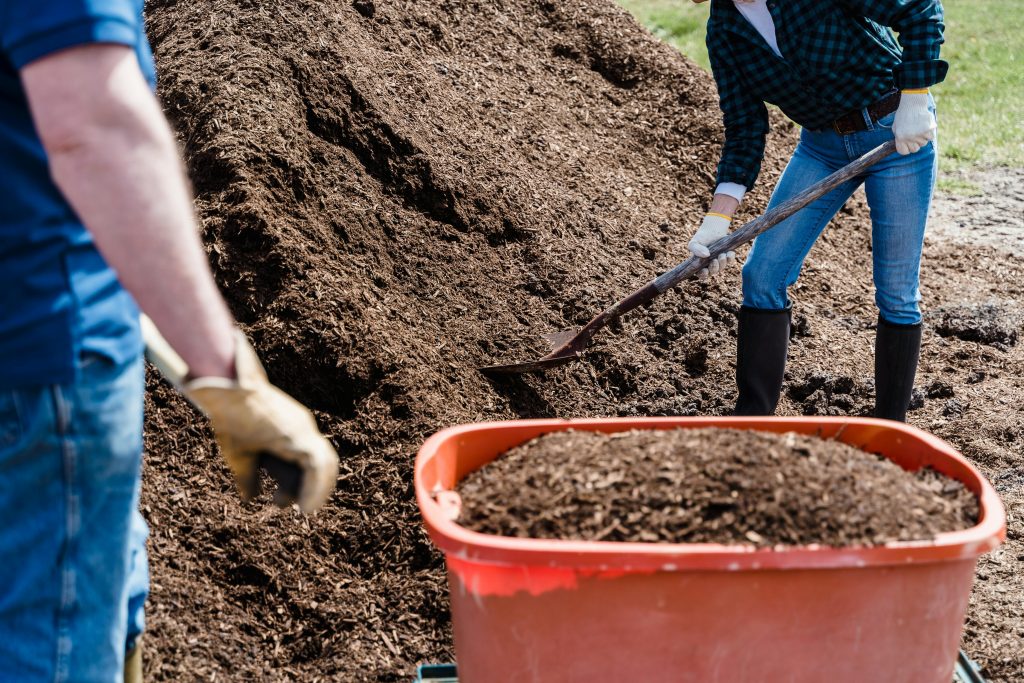
Every successful growing season begins with soil preparation. Long before seeds are planted or transplants go into the ground, farmers and gardeners must ensure that soil conditions are ready to support healthy crop growth. Proper soil preparation improves nutrient availability, encourages strong root development, and helps crops establish quickly.
However, many growers unintentionally make mistakes during early spring soil preparation that can limit plant growth throughout the season. These mistakes are often easy to avoid once growers understand how soil fertility, structure, and nutrient balance influence crop development.
Spring is a critical moment for building soil fertility because plants rely on the nutrients present in the soil during their earliest stages of growth. Providing balanced nutrients before planting allows crops to establish stronger root systems and begin developing the foliage that will support the rest of the growing season.
Products such as Supply Solutions 16-16-16 Complete Fertilizer are commonly used during soil preparation because they provide balanced levels of nitrogen, phosphorus, and potassium that support early crop development.
Understanding common soil preparation mistakes can help farmers create better growing conditions and improve the productivity of their fields.
Ignoring Soil Testing Before Fertilizing
One of the most common mistakes in soil preparation is applying fertilizers without first understanding the condition of the soil. Every field, garden, or orchard has a unique nutrient profile influenced by past crops, weather patterns, and soil composition.
Soil testing provides valuable information about nutrient levels, pH balance, and organic matter content. This information allows farmers to adjust fertilizer programs to meet the specific needs of their soil.
Without soil testing, growers may apply too much of one nutrient while overlooking deficiencies in another. This imbalance can limit plant growth even when fertilizer is applied.
Soil tests help farmers determine whether nitrogen, phosphorus, potassium, or other nutrients need to be supplemented before planting.
Once these needs are identified, fertilizers can be selected more accurately to support healthy crop development.
Balanced fertilizers like Supply Solutions 16-16-16 Complete Fertilizer are often used as part of early season soil fertility programs because they provide multiple nutrients that support plant growth.
Preparing Soil Too Late
Timing plays a major role in soil preparation. Waiting until the last moment to prepare soil can create several challenges for farmers and gardeners.
Soil that is not properly prepared before planting may lack sufficient nutrient availability. Seeds and young plants require immediate access to nutrients during their earliest stages of development.
When nutrients are unavailable, seedlings may grow slowly or unevenly. This can create inconsistent plant development across the field.
Preparing soil earlier in the spring allows nutrients to settle into the soil and become available to plants once growth begins.
Early preparation also allows growers to incorporate fertilizers evenly throughout the root zone.
By preparing soil in advance, farmers create a more stable nutrient environment that supports healthy crop establishment.
Overlooking Soil Structure
Soil fertility is important, but soil structure also plays a major role in plant health.
Healthy soil structure allows water, air, and nutrients to move freely through the soil profile. Roots require oxygen as well as moisture to grow properly.
Compacted soils can restrict root growth and limit the movement of nutrients through the soil. When soil becomes too dense, roots may struggle to expand and plants may experience slow development.
Spring soil preparation often includes loosening soil through tillage or other cultivation practices.
Adding organic matter can also improve soil structure by increasing porosity and supporting microbial activity.
Healthy soil structure allows fertilizers to work more effectively because nutrients can move freely toward plant roots.
Applying Fertilizer Unevenly
Another common soil preparation mistake is uneven fertilizer distribution.
When fertilizer is applied inconsistently, some areas of the field may receive sufficient nutrients while other areas remain deficient. This often leads to uneven plant growth.
Plants that receive adequate nutrients may grow vigorously, while plants in nutrient poor areas may struggle to establish.
Uneven growth complicates field management and may reduce overall yield.
Uniform fertilizer application helps ensure that crops receive consistent nutrition across the field.
Many farmers apply fertilizers during soil preparation so they can be incorporated evenly into the soil.
Using balanced fertilizers like Supply Solutions 16-16-16 Complete Fertilizer can simplify this process by providing nitrogen, phosphorus, and potassium in one product.
Ignoring Organic Matter
Organic matter is one of the most valuable components of productive soil. It improves soil structure, supports microbial activity, and helps retain moisture.
Soils with higher organic matter levels tend to support healthier crops because they provide a stable environment for root development.
Organic matter also contributes to nutrient cycling. As organic materials break down, they release nutrients that plants can absorb.
Growers who overlook organic matter during soil preparation may miss an opportunity to improve long term soil health.
Adding compost, crop residues, or cover crops can help increase organic matter levels.
When combined with balanced fertilizers, organic matter helps create a soil environment that supports both plant growth and microbial activity.
Applying Too Much Fertilizer
While fertilizers are essential for crop growth, excessive application can create problems for both plants and soil health.
Too much nitrogen may cause excessive leafy growth while reducing root development.
Excess nutrients can also move beyond the root zone during heavy rainfall, reducing fertilizer efficiency.
Responsible fertilizer management helps ensure that crops receive the nutrients they need without wasting resources.
Soil testing and careful application help farmers determine the appropriate fertilizer amounts for their crops.
Balanced fertilizers provide nutrients in proportions that support healthy plant development without overwhelming young crops.
Neglecting Early Nutrient Availability
Plants require nutrients as soon as growth begins. If nutrients are not present in the soil during early development, crops may struggle to establish themselves.
Early nutrient availability supports root formation, leaf development, and plant metabolism.
Nitrogen encourages leafy growth and photosynthesis.
Phosphorus supports root development and energy transfer within the plant.
Potassium helps regulate water movement and strengthens plant tissues.
Balanced fertilizers supply these nutrients together so plants can access them during the critical early growth period.
Products such as Supply Solutions 16-16-16 Complete Fertilizer are commonly used during spring soil preparation because they provide essential nutrients that support crop establishment.
Crops That Benefit from Early Soil Preparation
Nearly all agricultural crops benefit from careful soil preparation.
Corn requires balanced nutrients during early development to support strong root systems and vigorous foliage.
Vegetable crops such as tomatoes, peppers, cucumbers, and beans depend on healthy soil fertility to establish quickly after planting.
Root crops like carrots and potatoes rely on loose, fertile soil to support proper root formation.
Fruit trees and berry crops also benefit from early nutrient availability because they begin preparing for flowering and fruit production soon after spring growth begins.
When soil conditions are properly prepared, these crops are more likely to grow evenly and produce reliable yields.
Building a Strong Foundation for the Growing Season
Successful crop production begins with thoughtful soil preparation. Farmers who take time to improve soil fertility and structure often see stronger crop establishment and more consistent growth throughout the season.
Avoiding common soil preparation mistakes helps create a growing environment that supports healthy plant development.
Balanced fertilizers provide an efficient way to supply essential nutrients during early spring.
Products such as Supply Solutions 16-16-16 Complete Fertilizer can help growers provide nitrogen, phosphorus, and potassium in proportions that support crop growth from the beginning.
As always, growers should review product labels and follow recommended application guidance to ensure proper use.
By focusing on soil health, balanced nutrition, and careful preparation, farmers and gardeners can create the conditions needed for a productive growing season.
Supply Solutions
Supply Solutions provides dependable agricultural products designed to support farmers, gardeners, and land managers throughout the growing season. Our goal is to offer practical fertilizer solutions that help crops thrive while supporting responsible soil management.
Explore our full range of fertilizers and agricultural supplies at
https://www.mysolutionssupply.com
For product questions or application guidance, contact Supply Solutions or consult the product label for detailed instructions.