

Uncategorized
Summer Solstice Garden Check: What To Correct Before July
The summer solstice is a useful checkpoint in the garden because it arrives when the season starts to change tone. Spring establishment is mostly behind
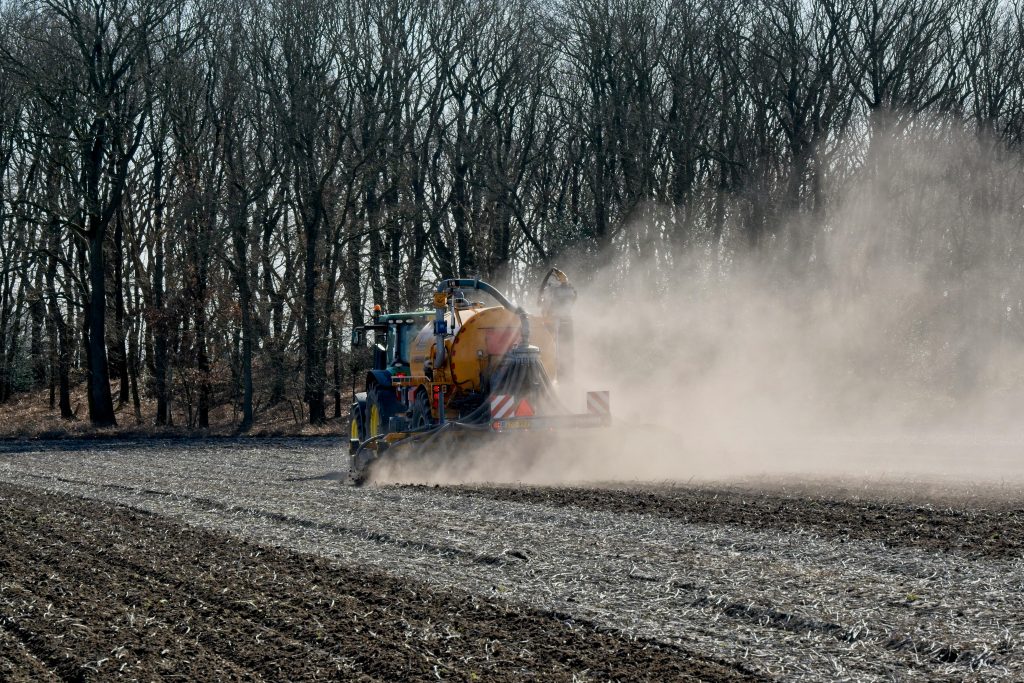
Nitrogen decisions in April tend to carry more risk than they appear to at first.
It’s one of the most important nutrients for crop growth, and also one of the easiest to lose if timing is off. Early in the season, when fields are just beginning to stabilize, applying nitrogen too soon or too late can both reduce efficiency. The challenge is not whether to apply nitrogen, but when it will actually be used by the crop.
April conditions make that timing less straightforward.
Soils are warming, but not consistently. Moisture levels can shift quickly with rainfall. Root systems are just beginning to develop, and nutrient uptake is still limited. Under these conditions, nitrogen behaves differently than it does later in the season.
It becomes more vulnerable to loss and less immediately useful.
This is why early nitrogen strategy is less about maximizing application and more about aligning timing with crop development.
At planting, crops are focused on establishment.
Roots are small, and their ability to access nutrients is limited. During this stage, applying large amounts of nitrogen does not improve growth as much as expected.
Instead, it often leads to inefficiency:
This is why nitrogen is usually not the primary focus at planting.
Balanced fertilizers tend to play that role instead.
Using a product like Supply Solutions Premium 14-14-14 Fertilizer provides a moderate amount of nitrogen along with phosphorus and potassium, supporting early growth without creating imbalance.
This allows the plant to establish first.
This balance helps prepare the crop to use nitrogen more efficiently later.
The best time to apply nitrogen is when the crop can actually use it.
This typically begins once the plant has moved past early establishment and enters active vegetative growth.
At this stage:
Applying nitrogen during this period allows it to be absorbed more quickly, reducing the risk of loss.
Products like Supply Solutions Urea 46-0-0 Fertilizer are commonly used at this stage because they provide a concentrated nitrogen source that supports rapid growth.
Timing this application around weather conditions further improves efficiency.
Applying nitrogen ahead of moderate rainfall can help incorporate it into the soil, improving availability. However, applying it before heavy rainfall increases the risk of leaching, especially in lighter soils.
Moisture management becomes part of nitrogen timing.
Watching short-term weather patterns before application helps align nitrogen availability with crop demand.
Soil conditions also influence when nitrogen should be applied.
In cooler soils, microbial activity is still developing, and nutrient cycling is slower. Even if nitrogen is present, uptake may be limited until temperatures stabilize.
This reinforces the idea that early application does not always translate to early use.
Supporting soil conditions can help improve nitrogen efficiency once it is applied.
Inputs like Supply Solutions Humic Acid Soil Conditioner contribute to:
These factors help ensure that nitrogen remains available within the root zone long enough to be used.
Biological activity also plays a role.
As soils warm, microbial populations increase, influencing how nutrients are cycled. Supporting that activity can improve how nitrogen is integrated into the soil system.
Products like Supply Solutions Pacific Bounty Fish Fertilizer are often used to support early soil activity.
They provide:
In April conditions, this helps create a more active soil environment, improving how nutrients are used once applied.
Another consideration is splitting nitrogen applications.
Instead of applying all nitrogen at once, dividing it into multiple applications allows better alignment with crop demand.
This reduces the risk of loss and improves overall efficiency.
Field variability also affects nitrogen timing.
Adjusting timing based on these conditions improves consistency across the field.
Over time, nitrogen efficiency becomes less about how much is applied and more about how well timing matches crop needs.
Applying nitrogen too early often results in loss or underuse. Applying it too late can limit growth potential.
Finding the right window improves both yield and efficiency.
In April, that window begins after establishment, when the crop is actively growing and capable of using what is applied.
Using Supply Solutions Premium 14-14-14 Fertilizer at planting provides a balanced start, while improving soil conditions with Supply Solutions Humic Acid Soil Conditioner and supporting biological activity with Supply Solutions Pacific Bounty Fish Fertilizer helps prepare the system. Introducing nitrogen later with Supply Solutions Urea 46-0-0 Fertilizer aligns nutrient supply with crop demand, improving overall efficiency.
Supply Solutions works with growers to match nitrogen timing with real field conditions, helping ensure that applications contribute directly to crop performance.
As you plan your nitrogen applications this April, focus on when your crop is ready to use it, not just when the field is ready to receive it. Review product labels carefully, and if you need guidance on optimizing nitrogen timing for your operation, reaching out to Supply Solutions can help ensure your fertilizer program supports efficient and consistent growth.
The summer solstice is a useful checkpoint in the garden because it arrives when the season starts to change tone. Spring establishment is mostly behind
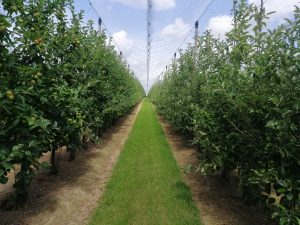
June is when many fruiting crops begin asking a different question. In spring, the question was often whether the plant could get established. Could the
Give us a call or visit our store, and we’ll help you find the right solution for your business.
© Supply Solutions LLC 2026