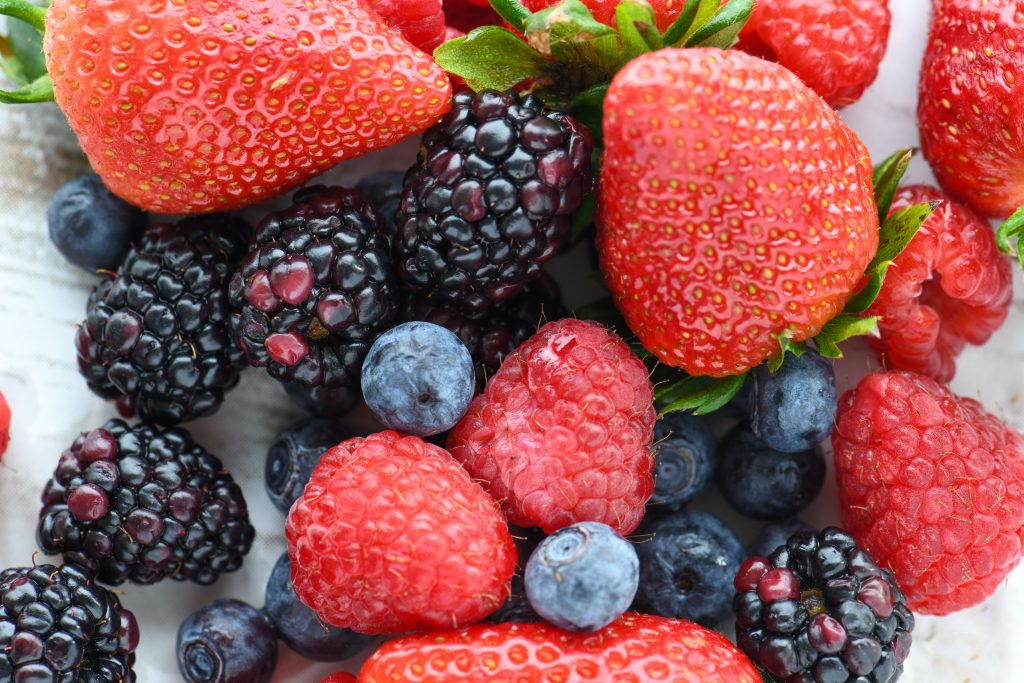
Berries can be some of the most rewarding crops in a home garden, small farm, edible landscape, or nursery program.
They can also be some of the easiest crops to misfeed.
The reason is simple: not all berries want the same soil, and not all acid-loving plants respond to fertilizer the same way. Blueberries are usually the crop that causes the most confusion because they need a much lower soil pH than most vegetables, lawns, and landscape plants. Azaleas, rhododendrons, camellias, and some other ornamentals also prefer acidic conditions. Strawberries, raspberries, and blackberries like slightly acidic soil, but they usually do not need the same low-pH conditions that blueberries require.
That difference matters in May.
Spring growth is active. Blueberries are leafing out, blooming, or setting young fruit depending on region and variety. Strawberries may be flowering or already producing. Brambles are pushing canes. Acid-loving ornamentals are putting on new leaves and blooms. Landscapers are refreshing beds. Home gardeners are trying to correct yellow leaves before summer. Small farms are watching crop load, cane growth, and fruit quality.
This is the point where fertilizer can help a lot, but only if the product matches the crop and soil.
For acid-loving crops, spring fertility is not just about feeding the plant. It is also about protecting the soil chemistry that lets the plant use nutrients.
Blueberries are different from most garden crops
Most vegetables grow best in soil that is slightly acidic to near neutral. Blueberries are different. Oregon State University Extension states that blueberries require a soil pH of 4.5 to 5.5, and that soil pH that is too high is one of the most common problems for home gardeners growing blueberries. High pH can cause poor growth and yellow leaves with green veins, especially on younger leaves.
That pH range is lower than what tomatoes, peppers, turfgrass, corn, carrots, and many other common crops prefer. This is why a general garden fertility program can fail with blueberries. A product or amendment that is fine for a vegetable bed may push blueberry soil in the wrong direction.
Blueberries also have a shallow root system. Their roots need consistent moisture, good aeration, organic matter, and the right pH. They do not handle waterlogged soil well, but they also do not like drought stress. In May, when plants are blooming, leafing, and setting fruit, that root-zone balance becomes especially important.
A blueberry plant that looks yellow in spring is not always short on nitrogen. It may be struggling because the soil pH is too high and iron or other nutrients are not available. It may be sitting in soil that is too wet. It may have a shallow root zone drying out between waterings. It may be overfertilized. It may be young and still establishing.
That is why feeding blueberries should start with soil pH and root health before fertilizer rate.
Acid-loving ornamentals have similar pH concerns
Blueberries are not the only plants that care about acidic soil.
Azaleas, rhododendrons, camellias, hydrangeas in certain color-management programs, and other acid-loving ornamentals often perform best when the soil pH is lower than typical garden soil. When pH is too high, these plants can show yellowing, weak growth, poor bloom, and general decline.
The visible symptom often looks like hunger, but the root zone may be the real issue.
If a rhododendron is yellow because soil pH is too high, adding a general fertilizer may not correct the problem. If an azalea is planted next to a concrete foundation or sidewalk where pH drifts upward, nutrient availability may be limited even if fertilizer has been applied. If a camellia is growing in compacted, poorly drained soil, roots may not function well enough to use nutrients.
This is where acid-forming fertilizers and organic liquid feeds can fit, but they need to be used carefully. The goal is to support the plant without overcorrecting the soil.
A soil test is the best starting point for repeated problems. Without pH information, it is easy to fertilize a plant that actually needs soil chemistry corrected.
Ammonium sulfate fits acid-loving crops when nitrogen and sulfur are needed
Ammonium Sulfate 21-0-0 + 24% Sulfur is one of the most relevant spring products for acid-loving crops because it supplies nitrogen in ammonium form and adds sulfur.
Supply Solutions describes this product as a 21-0-0 fertilizer with 24% sulfur for deep green growth, flowers, trees, lawns, and acid-loving plants such as azalea, camellia, and rhododendron. The product page also notes that ammonium sulfate helps regulate soil pH by contributing to lower pH conditions.
That makes it a good fit when the crop needs nitrogen and the soil program benefits from an acidifying nitrogen source.
For blueberries, the nitrogen form matters. Oregon State University Extension notes that blueberry plants use ammonium nitrogen and that fertilizers containing only nitrate nitrogen, such as calcium nitrate, should be avoided because they may cause injury or reduced growth. OSU also lists ammonium sulfate as a common nitrogen source for blueberries and notes that ammonium sulfate fertilizer can lower soil pH.
That does not mean ammonium sulfate should be applied heavily or automatically.
The problem it solves is spring nitrogen need in acid-loving crops, along with sulfur support and gradual acidifying effect. The timing is spring, when plants are actively growing and can use nitrogen. For blueberries, nitrogen is commonly applied in spring, often in split applications depending on age, soil type, and production system.
The caution is that ammonium sulfate is strong. Overapplication can burn roots, push excessive tender growth, and lower pH too far over time. OSU cautions that if blueberry soil pH is below 5.0, growers should not rely only on ammonium sulfate because it may reduce pH too much.
In practical terms, ammonium sulfate is useful when the soil pH and crop need fit. It is not a product to apply repeatedly without monitoring pH.
Acidifying fertilizer is not the same as quickly correcting high pH
This is one of the most important points for spring blueberry and ornamental care.
Ammonium sulfate can acidify soil over time, but it is not the same as using elemental sulfur to correct a major pH problem before planting. Oregon State University Extension explains that ammonium fertilizers, including ammonium sulfate, acidify soil as soil bacteria convert ammonium to nitrate and release hydrogen ions. It also notes that ammonium sulfate is the most acidifying among common ammonium fertilizers, but acidifying fertilizers work gradually and may take more than two years to reduce soil pH by 0.4 pH units.
That means ammonium sulfate is best for maintenance and spring feeding, not emergency pH repair.
If a blueberry bed tests at pH 6.5, ammonium sulfate alone will not fix that quickly enough. If a rhododendron is severely chlorotic because soil pH is too high, a fertilizer application may give only limited relief. The soil chemistry needs to be corrected with the proper amendment, timing, and rate.
For new blueberry plantings, the soil should ideally be adjusted before planting. OSU recommends testing soil up to a year or more before planting blueberries so there is time to amend the soil if needed.
For established beds, pH adjustments must be slower and more careful. Too much sulfur or acidifying fertilizer can harm roots. The better plan is to test, adjust gradually, mulch properly, and monitor.
Ammonium sulfate is a useful spring tool, but it should not be asked to do the job of a full soil pH correction program.
Pacific Bounty fits gentle organic feeding for berries and acid-loving plants
Not every berry or acid-loving crop needs a dry nitrogen fertilizer. Some situations call for a gentler liquid feed, especially around young plants, containers, transplants, or crops that need steady support without a strong salt push.
Pacific Bounty Liquid Fish Fertilizer fits that role.
Supply Solutions lists Pacific Bounty as a 2.0-0.5-1.25 organic fish fertilizer derived from fish protein hydrolysate and molasses. The product page describes it as useful for tomatoes, berries, citrus, young plants, transplants, and slightly acidic-soil-loving plants. It provides water-soluble nitrogen for fast plant uptake when used as directed and supports roots, soil, flowering, and fruiting.
That makes Pacific Bounty especially useful in May for gardeners and small growers who want a mild organic feed around berries and edible landscapes.
The problem it helps solve is slow early growth or mild nutrient need in plants that are already rooted and actively growing. It can be useful for young berry plants, container blueberries, strawberries, citrus, and other crops that benefit from organic liquid nutrition.
The timing is spring through active growth, applied according to label directions. Supply Solutions lists general use at 2–4 tablespoons per gallon of water every 2–4 weeks, with application timing early in the morning or late afternoon and rates depending on soil fertility and crop requirements.
Pacific Bounty is not a pH correction product. It may fit slightly acidic-soil-loving plants, but it should not be used as the only plan for a blueberry bed with high soil pH. Its role is nutrition and root-zone support, not major acidification.
For established blueberries, use care with any nitrogen source. Blueberries do not need excessive fertilizer. University of Maine Extension notes that blueberry plants generally do not require high amounts of fertilizer and that overfertilization can lead to excessive tender growth and increase winter injury risk.
That same restraint applies to liquid organic feeding. Gentle does not mean unlimited.
KMS supports potassium, magnesium, and sulfur when the soil calls for it
Berry crops and acid-loving plants do not only need nitrogen.
Potassium matters for fruit quality, water regulation, plant strength, and stress tolerance. Magnesium supports chlorophyll and photosynthesis. Sulfur supports plant metabolism and is part of the acid-loving crop conversation because many of these crops are managed in lower-pH systems.
KMS 0-0-21.5 Potassium Magnesium Sulfate fits spring berry and ornamental programs when potassium, magnesium, and sulfur are part of the need.
Supply Solutions describes KMS as a potassium magnesium sulfate fertilizer that supplies potassium, magnesium, and sulfur. The product is positioned for low-magnesium soils and for use on vegetable gardens, fruit trees, flowers, lawns, shrubs, houseplants, and other plants.
This product is especially relevant when soil testing shows low potassium or low magnesium, or when plant symptoms and crop history suggest those nutrients need attention.
For blueberries, potassium and magnesium should not be guessed at. University of Minnesota Extension notes that when soil test results indicate a need, potassium can be applied as potassium sulfate or potassium-magnesium sulfate, and that potassium-magnesium sulfate should be used if soil magnesium is low. It also warns that potassium chloride should be avoided at high rates because it can be detrimental to blueberry growth.
That makes KMS a practical choice where potassium and magnesium are needed without using chloride-heavy sources.
The problem KMS helps solve is low potassium, low magnesium, or sulfur need in crops that require these nutrients for strong growth and fruiting. The timing is spring or active growth when roots can take up nutrients and before summer stress increases demand.
The caution is balance. Magnesium should not be applied heavily if the soil does not need it. Potassium should not be pushed blindly because too much potassium can interfere with other nutrient relationships. Soil testing is the best guide.
Blueberries do not like heavy-handed feeding
Blueberries are not like sweet corn.
They do not need a strong nitrogen push to look successful. In fact, too much nitrogen can create tender growth, reduce winter hardiness, and stress roots. This is especially true for young plants.
University of Maine Extension recommends removing flowers from newly planted blueberries for the first two years to encourage root development and vegetative growth, and it notes that regular watering throughout the growing season is important, with blueberry plantings needing one to two inches of water per week.
That advice is important because many growers expect fruit too soon.
A young blueberry plant loaded with fruit in its first or second year may look productive, but early cropping can slow root and plant establishment. Oregon State University Extension also notes that early cropping in years one and two can reduce root growth and later yields in young blueberry plantings.
In May, that means young blueberries should be managed for establishment first. Fertilizer should support roots and healthy cane growth, not force heavy fruiting before the plant is ready.
For a young blueberry, a light, correct spring feeding with ammonium sulfate may be useful if pH and soil conditions support it. A gentle organic feed like Pacific Bounty may fit in some garden or container situations. KMS may fit only if potassium, magnesium, or sulfur are needed.
Do not apply all of them simply because the plant is young. Match the product to the actual need.
Mulch is part of feeding berries
Mulch is not fertilizer in the same direct way a bagged product is, but it strongly affects berry performance.
Blueberries have shallow roots, and mulch helps protect that shallow root zone. It moderates soil temperature, reduces moisture swings, limits weed competition, and supports organic matter over time. Pine bark, pine needles, sawdust, wood chips, or other suitable acidic organic mulches are often used in blueberry systems, depending on region and availability.
University of Minnesota Extension recommends keeping blueberries mulched with a few inches of oak leaf or pine needle mulch to help maintain soil acidity, and it emphasizes testing and monitoring soil pH to stay ahead of pH problems.
Mulch also changes fertilizer behavior.
If dry fertilizer is thrown on top of a thick mulch layer, it may not reach the soil evenly. If mulch is fresh and woody, it can tie up some nitrogen as microbes break it down, especially when incorporated into soil rather than left on the surface. OSU notes that higher nitrogen rates may be needed when fresh sawdust mulch has just been applied because the fresh material can immobilize some nitrogen.
For practical May feeding, pull mulch back slightly before applying dry fertilizer, spread fertilizer around the root zone according to plant age and directions, water it in, then replace mulch. Do not pile mulch against stems or crowns.
For liquid products like Pacific Bounty, apply to the root zone so the solution reaches soil rather than only soaking the mulch surface.
Mulch and fertilizer should work together. Mulch protects the root zone. Fertilizer feeds the plant. Neither should block the other.
Water management decides whether nutrients move
Berries need steady moisture.
A blueberry plant in dry soil cannot take up nutrients well. A blueberry plant in waterlogged soil also cannot function properly because roots need oxygen. Strawberries can suffer from dry periods during flowering and fruit sizing. Raspberries and blackberries need water to support cane growth and fruit development. Acid-loving ornamentals can drop buds, yellow, or decline when moisture swings are severe.
This is why May fertility should always be paired with watering habits.
If a dry spring arrives, fertilizer may sit unused until irrigation or rainfall moves it into the root zone. If heavy rain saturates the bed, fertilizer uptake may slow because roots are oxygen-stressed. If containers dry out between waterings, nutrient concentration can rise around roots and cause stress.
For blueberries, consistent moisture is especially important because roots are shallow. University of Maine Extension recommends regular watering throughout the growing season and notes that blueberry plantings should receive one to two inches of water per week.
That does not mean keeping the bed soggy. It means keeping the root zone evenly moist.
Fertilizer response depends on that balance. Apply Ammonium Sulfate 21-0-0 + 24% Sulfur when plants are actively growing and soil moisture is suitable. Use Pacific Bounty as a watered-in liquid feed when plants can take it up. Apply KMS when nutrients are needed and moisture can move them into the root zone.
Dry roots and saturated roots both waste good fertilizer.
Strawberries are not blueberries
Strawberries are sometimes grouped with blueberries because both are berries, but they do not need the same soil program.
Strawberries generally prefer slightly acidic soil, not the very acidic soil blueberries require. They usually do not need ammonium sulfate for pH management unless soil and crop conditions specifically call for it. Over-acidifying a strawberry bed can create problems.
For strawberries in May, the main fertility concerns are usually nitrogen timing, potassium for fruit quality, moisture during flowering and fruit sizing, and avoiding excessive nitrogen that pushes leaves over fruit.
Pacific Bounty can fit strawberries where a gentle organic liquid feed is useful, especially for actively growing plants in gardens or containers. KMS can fit if potassium and magnesium are needed, especially before or during fruiting. Ammonium sulfate may fit only if soil pH and crop need support that choice.
The practical point is simple: do not fertilize all berries like blueberries.
Know the crop.
Brambles need cane growth and fruit support
Raspberries and blackberries have their own rhythm.
They need strong cane growth, balanced fertility, and enough potassium to support fruiting. Nitrogen is important, but excessive nitrogen can push soft cane growth that may be more vulnerable to stress. Potassium supports fruit quality and plant strength. Magnesium may matter if soil tests are low or leaves show deficiency patterns.
For brambles in May, Pacific Bounty Liquid Fish Fertilizer may fit where gentle organic feeding is needed. KMS 0-0-21.5 may fit when potassium, magnesium, and sulfur are part of the soil need. Ammonium sulfate may be appropriate only where pH and nitrogen form make sense, but brambles are not generally managed at the same low pH as blueberries.
Brambles also need careful moisture management. Dry stress during flowering and fruiting reduces performance. Wet, poorly drained soil can damage roots. Mulch can help, but it should not create crown rot or hide weed pressure.
As with blueberries, soil testing helps prevent guessing.
Container blueberries need closer monitoring
Many gardeners grow blueberries in containers because their native soil is too alkaline or poorly suited to blueberry production.
That can work well, but containers require closer management.
A container has limited root volume. It dries faster than ground soil. Nutrients can leach with frequent watering. pH can drift depending on potting mix, irrigation water, fertilizer, and amendments. A potted blueberry can go from healthy to stressed quickly if watering or pH is not monitored.
Pacific Bounty can fit container blueberries as a gentle liquid feed when used at appropriate rates. Ammonium sulfate may fit pH and nitrogen maintenance in containers, but it must be used carefully because a container can over-acidify faster than a garden bed. KMS may fit if potassium or magnesium is needed, but again, rates must be controlled.
The biggest mistake in containers is treating them like the ground. They are not. They need more frequent moisture checks, careful drainage, and more attention to fertilizer concentration.
If a container blueberry is yellow, check pH before applying more nitrogen. If the pot stays wet, check drainage. If the container dries daily, consider a larger pot, mulch, or improved watering.
Yellow leaves need diagnosis before fertilizer
Yellow leaves on blueberries and acid-loving plants are common in spring.
The first assumption is usually nitrogen shortage. Sometimes that is correct. But in acid-loving crops, yellow leaves often point to pH-related nutrient availability issues, especially when younger leaves are yellow with green veins.
OSU Extension notes that high soil pH in blueberries can lead to poor growth and yellow, green-veined leaves on younger leaves.
That symptom is important because adding more nitrogen may not solve it.
If pH is too high, the plant may not be able to access iron and other nutrients properly. If soil is too wet, roots may not be functioning. If the plant is overfertilized, roots may be damaged. If a fresh woody mulch was incorporated, nitrogen may be temporarily tied up. If the plant is young and carrying fruit, it may be overburdened.
Before feeding, look at the pattern.
Are all plants yellow, or only one? Are younger leaves affected more than older leaves? Is the problem near concrete, a foundation, or a high-pH water source? Is the soil wet? Is mulch too thick? Was fertilizer recently applied? Is the plant newly planted?
The right product depends on the answer.
Ammonium sulfate helps where nitrogen and acidifying support are needed. Pacific Bounty helps where gentle organic feeding is useful. KMS helps where potassium, magnesium, and sulfur are needed. None of them should be used blindly.
A practical spring feeding approach for blueberries
For established blueberries, start with pH. Test the soil or at least use a reliable pH check if a full soil test is not available. The target is generally 4.5 to 5.5 for highbush blueberries.
If pH is in range and the plant is actively growing, spring nitrogen can be applied carefully. Ammonium Sulfate 21-0-0 + 24% Sulfur fits when ammonium nitrogen and sulfur are desired, and when the soil does not already test too acidic.
If the plant is young, feed lightly. Do not try to force a heavy crop too early. Remove flowers on young plants when establishment is the priority.
If the plant needs gentle organic support, especially in containers or small garden settings, Pacific Bounty Liquid Fish Fertilizer can fit active growth and root support.
If soil testing shows potassium or magnesium needs, KMS 0-0-21.5 Potassium Magnesium Sulfate can fit. It should not be applied just because berries are forming. Use it where the nutrient need is real.
Keep the planting mulched. Keep moisture steady. Avoid fertilizer on dry roots. Avoid feeding after the active spring and early summer window if it will push tender late growth in regions where winter injury is a concern.
Blueberries reward steady management more than heavy feeding.
A practical spring feeding approach for acid-loving ornamentals
For azaleas, rhododendrons, camellias, and similar plants, begin with soil condition.
These plants often struggle because they are planted in compacted soil, high-pH soil, poorly drained locations, or beds affected by concrete or irrigation water. Before fertilizing, check whether roots have a healthy environment.
If the plant is actively growing and needs nitrogen and sulfur support, Ammonium Sulfate 21-0-0 + 24% Sulfur can fit acid-loving ornamentals. It supports foliage and bloom potential while contributing to acidic soil conditions over time.
If the plant needs gentle organic feeding, Pacific Bounty can fit as a liquid feed during active growth, especially for smaller plantings, containers, or beds where organic nutrition is preferred.
If magnesium, potassium, and sulfur are needed, KMS can fit. This may be relevant where leaf color, soil tests, or plant history suggest magnesium or potassium deficiency.
Avoid fertilizing drought-stressed or waterlogged ornamentals. Do not pile fertilizer against stems. Keep mulch a few inches away from trunks and crowns. Water deeply but avoid constantly saturated soil.
Acid-loving ornamentals do not need to be pushed. They need the right pH, steady moisture, healthy roots, and modest fertility.
Do not use nitrogen to force fruit
One mistake with berries is trying to fertilize fruit directly.
Nitrogen grows canes, leaves, and general plant tissue. That supports future fruiting, but too much nitrogen at the wrong time can reduce balance. In blueberries, heavy nitrogen can push tender growth. In strawberries, excessive nitrogen can encourage leaves over fruit. In brambles, too much nitrogen can push soft cane growth.
Fruit quality depends on more than nitrogen. Potassium, water, sunlight, pollination, pruning, root health, and crop load all matter.
This is where KMS may be important if soil tests show a need. Potassium supports fruiting and plant strength. Magnesium supports leaf function. Sulfur contributes to plant metabolism. But again, KMS should be used based on soil need, not as a general fruit booster every time.
The best berry feeding programs support the plant system that produces fruit. They do not try to force fruit with one nutrient.
Spring feeding should prepare plants for summer
May is still early enough to make good corrections.
If pH is wrong, start monitoring and correcting carefully. If nitrogen is low and the plant is actively growing, apply the right source. If young plants are being over-cropped, remove flowers and let roots develop. If mulch is missing, add an appropriate layer. If the bed dries out, improve watering. If soil tests show potassium or magnesium shortages, correct them before summer fruit demand and heat increase.
The products fit different roles.
Ammonium Sulfate 21-0-0 + 24% Sulfur fits acid-loving plants that need ammonium nitrogen, sulfur, and gradual acidifying support.
Pacific Bounty Liquid Fish Fertilizer fits gentle organic feeding for berries, citrus, young plants, transplants, and slightly acidic-soil-loving crops during active growth.
KMS 0-0-21.5 Potassium Magnesium Sulfate fits crops and soils that need potassium, magnesium, and sulfur support, especially where soil testing points to low magnesium or potassium need.
None of these products should be used as a shortcut around pH testing, water management, or root health.
Berries and acid-loving crops perform best when fertilizer supports the soil environment they actually require. Blueberries need lower pH than most crops. Acid-loving ornamentals need nutrient availability protected by the right soil chemistry. Strawberries and brambles need fertility, but not the same low-pH program as blueberries. Spring feeding should be careful, timely, and based on the crop in front of you.
Supply Solutions offers practical products for this May window, including Ammonium Sulfate 21-0-0 + 24% Sulfur, Pacific Bounty Liquid Fish Fertilizer, and KMS 0-0-21.5 Potassium Magnesium Sulfate. Used properly, they help solve real spring problems: nitrogen need in acid-loving crops, gentle organic support for young or active plants, and potassium-magnesium-sulfur balance where the soil calls for it. Match the fertilizer to pH, crop stage, and moisture conditions, and contact Supply Solutions for help building a berry or acid-loving plant program that supports roots first and fruit second.