Memorial Day weekend often marks a turning point in the garden.
By late May, many spring plans have already met real weather. Seeds have either come up or they have not. Transplants have either rooted in or stalled. Lawns are growing faster. Flower beds are filling. Tomatoes, peppers, cucumbers, squash, beans, herbs, and annuals are beginning to show what kind of start they had. Soil moisture patterns are easier to see. Weak spots in beds, containers, and lawns are starting to stand out.
This is a good time to stop and look closely before summer takes over.
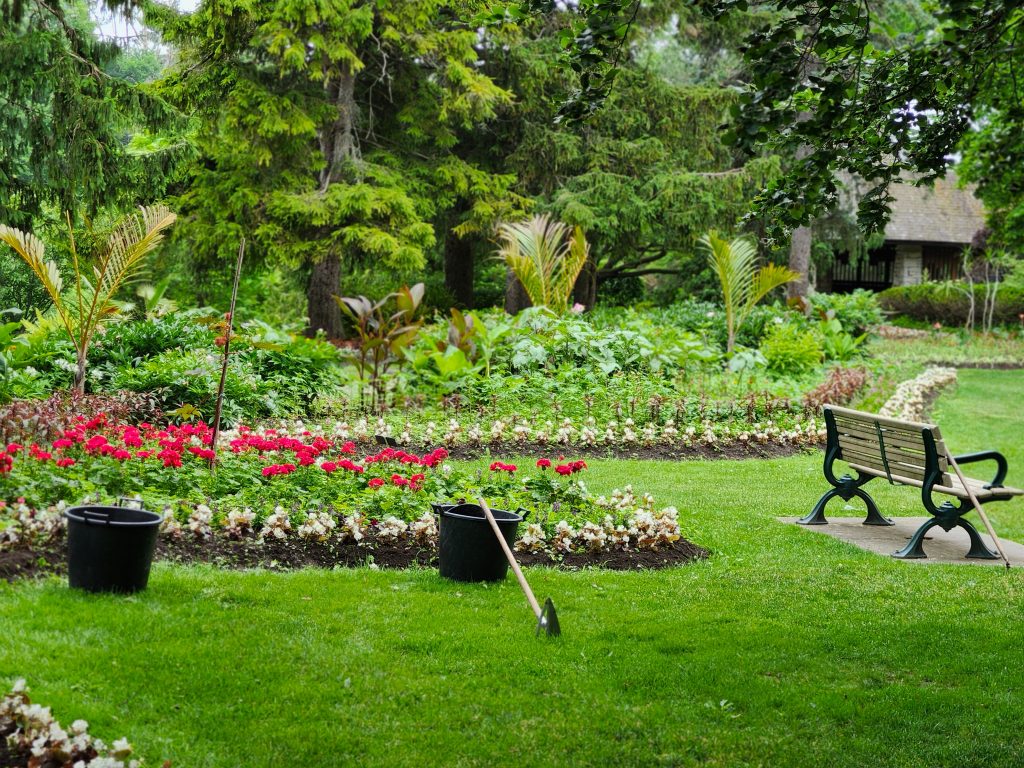
The mistake many gardeners make around Memorial Day is treating the weekend only as a planting weekend. In many parts of the United States, it is a good time to finish warm-season planting, refresh containers, fill gaps, mulch beds, and catch up on outdoor work. But it is also one of the best times to check whether the garden is actually set up for June.
A garden that looks acceptable in late May can still be carrying problems that will show up harder in summer. Soil may be compacted under mulch. Transplants may not have rooted beyond the original plug. Fertilizer may be uneven. Containers may already be running out of nutrients. Young vegetables may be pale from wet soil. Flower beds may be all bloom and no root strength. Lawns may be green on top but shallow underneath.
A Memorial Day weekend garden checkup should not be complicated. It should be practical. Walk the garden slowly. Dig a little. Look under leaves. Check soil moisture below the surface. Look at plant color and growth stage. Notice where water is moving and where it is sitting. Decide what needs feeding, what needs waiting, and what needs correction before heat builds.
This is the weekend to make small adjustments that prevent bigger summer problems.
Start with the soil, not the plant tag
Plant tags tell you spacing, sun preference, and general care. The soil tells you whether the plant can actually perform.
By late May, soil behavior is easier to read. Spring rain has shown where water drains and where it sits. Warm days have shown which beds dry quickly. Repeated walking has shown where paths are compacted. Newly planted areas have settled enough to reveal low spots. Mulch has either protected the soil or hidden a moisture problem.
Before adding fertilizer, check the soil with your hands.
Dig a few inches into vegetable beds, flower beds, and containers. The surface may be dry while the root zone is still moist. Or the surface may look damp while the lower root zone is dry. In clay soil, the top can crust while deeper soil stays wet. In sandy soil, a bed may look fine in the morning and be dry by afternoon. In raised beds, moisture can disappear faster than expected as temperatures rise.
Good fertility decisions depend on that moisture check.
If soil is dry, fertilizer response will be slow or uneven until water is corrected. If soil is saturated, roots may lack oxygen and plants may not use nutrients well. If soil is compacted, roots may stay shallow even if fertilizer is present. If mulch is too thick and wet against stems, plants may struggle.
The first question is not, “What should I feed?”
The first question is, “Can the roots breathe, drink, and grow?”
A simple garden walk reveals more than a quick glance
A proper checkup means walking the garden slowly.
Look at the whole planting first. Are some rows darker green than others? Are plants at the end of a bed smaller? Is one corner of the garden yellow? Are plants near the path weaker? Are containers by the driveway drying faster than containers near the house? Is one side of a flower bed growing harder because it gets more sun?
Patterns matter.
A single yellow tomato may have transplant shock, root damage, or a planting issue. A whole row of yellow tomatoes may point to soil moisture, fertility, cold stress, or a bed-wide problem. A lawn yellowing in low spots may be waterlogged. A raised bed that is weak near the edge may be drying out. A flower bed that fades near a downspout may be too wet.
Then look closer.
Check new growth. Healthy new growth usually tells you the plant is beginning to move. Look at older leaves. Yellow older leaves may point toward nitrogen shortage, transplant adjustment, water stress, or natural shedding. Look at leaf edges. Burned margins may point toward dry stress, salt buildup, or potassium issues. Look at stems. Are plants sturdy or stretched? Look under leaves for insects. Look at the soil line for rot, damage, or mulch piled too close.
A good Memorial Day checkup does not require guessing quickly. It requires noticing honestly.
Use the right tools before reaching for more fertilizer
Sometimes the most important garden correction is not fertilizer. It is physical care.
A bed may need light cultivation to break a crust. A tomato may need staking before it leans. A row may need thinning. A container may need pruning or repotting. A flower bed may need mulch pulled away from crowns. A lawn edge may need cleanup so water does not pool. A drip line may need to be repositioned. A compacted area may need loosening before roots can expand.
This is where having dependable tools matters.
Supply Solutions Gardening Tools fit naturally into a Memorial Day weekend checkup because this is the time when small hands-on corrections make a difference. Proper garden tools help with digging, planting, loosening soil, removing weeds, checking root zones, placing fertilizer accurately, and cleaning up beds without damaging plants.
The problem these tools help solve is poor garden maintenance caused by working too roughly, too late, or with the wrong equipment. A hand tool can remove a weed close to a vegetable without tearing roots. A trowel can check soil moisture below the mulch. A cultivator can loosen crusted surface soil without deep tilling. A planting tool can help fill gaps with less root disturbance.
The timing is Memorial Day weekend because the garden is active enough to show what needs attention but early enough that corrections still matter. Tools are especially important before feeding because fertilizer placement depends on access to the soil. If mulch, weeds, crusting, or compaction are blocking the root zone, feeding becomes less efficient.
Good tools do not replace fertilizer. They make fertilizer use more precise.
Check whether transplants have actually rooted
A transplant can look alive without being established.
This is common in late May. Tomatoes, peppers, eggplant, basil, cucumbers, squash, melons, flowers, and herbs may still be living mostly from the root ball they came with. The leaves may look acceptable, but roots may not have moved far into the surrounding soil.
That matters because summer will demand more from the plant.
A transplant that has not rooted out will dry faster, feed poorly, and struggle when heat arrives. It may wilt in the afternoon, stay pale, or sit still for weeks. Gardeners often respond by fertilizing more, but the real problem may be root transition.
To check, gently dig near one plant, not directly under the stem. Look for white roots moving into the soil around the transplant. If roots are active, feeding may help. If roots are not moving, ask why.
The soil may be too cold, too wet, too dry, too compacted, or too different from the potting mix. The transplant may have been planted too deep or too shallow. The root ball may have dried before planting. Mulch may be keeping wet soil too cool. Water may be running around the root ball instead of through it.
Once transplants are rooted and growing, feeding can be useful. Before that, focus on moisture, soil contact, and gentle care.
Balanced feeding fits mixed garden needs
By Memorial Day weekend, many gardens contain a mix of crops at different stages.
Tomatoes may be rooted and growing. Peppers may still be slow. Beans may be emerging. Lettuce may be finishing. Cucumbers may be taking off. Herbs may be ready to harvest. Flowers may be blooming. A gardener may have vegetables, annuals, perennials, and young shrubs all in the same general area.
In these mixed settings, a balanced fertilizer can be useful when the soil calls for broad nutrient support.
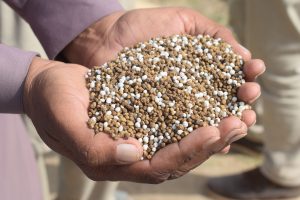
10-10-10 Complete Lawn & Garden Granular Fertilizer with Micronutrients fits this Memorial Day garden checkup because it supplies nitrogen, phosphorus, potassium, and micronutrients in a balanced formula. It is useful where garden beds, lawns, flowers, shrubs, or vegetables need general fertility support and the soil does not call for a more targeted product.
The problem it helps solve is uneven or low background fertility in mixed plantings. Nitrogen supports green growth. Phosphorus supports roots and plant energy where needed. Potassium supports water regulation and plant strength. Micronutrients help prevent small deficiencies from limiting growth.
The timing is late May when plants are actively growing and roots can use nutrients. It fits established seedlings, rooted transplants, flower beds, and general garden areas that need a moderate feed before June demand rises.
The caution is that 10-10-10 should not be applied blindly every time a plant looks weak. If phosphorus is already high from years of compost, manure, or bone meal, repeated balanced fertilizer may not be needed. If plants are stressed from wet soil, feeding may not help until oxygen returns. If a tomato is already lush and dark green, more nitrogen may push foliage more than fruit.
Use 10-10-10 where balanced nutrition is truly needed. Apply it according to directions, keep it away from direct contact with tender stems, and water it in.
Gentle liquid feeding fits plants that need support without a hard push
Not every plant needs a granular fertilizer in late May.
Some plants need a gentler liquid feed. This is especially true for young transplants, containers, herbs, berries, edible patio crops, and plants that are growing but not ready for a strong fertilizer push.
Pacific Bounty Liquid Fish Fertilizer fits that role well. It is an organic liquid fish fertilizer that can support roots, growth, flowering, and fruiting when applied according to directions. It is useful for tomatoes, berries, citrus, young plants, transplants, containers, and slightly acidic-soil-loving plants.
The problem Pacific Bounty helps solve is mild nutrient need or transplant lag where the grower wants steady support rather than a sharp push. It is especially useful when plants are actively growing but still settling into the soil or container.
The timing is Memorial Day weekend because many plants have had enough time to establish but are not yet under full summer stress. A gentle liquid feed can help maintain momentum in containers, raised beds, young vegetables, herbs, and fruiting plants.
It should not be used as a cure for severe deficiency, poor drainage, compacted soil, or inconsistent watering. It is also not a major pH correction product. Its value is in gentle, organic support when roots are functioning and plants can take up nutrients.
For containers, apply diluted solution to the root zone and allow proper drainage. For garden beds, apply around the base of actively growing plants, not onto dry, stressed roots during the hottest part of the day. For young plants, keep rates moderate and observe response.
Pacific Bounty is a good Memorial Day choice when the garden needs encouragement, not force.
Check warm-season vegetables before they fall behind
Tomatoes, peppers, cucumbers, squash, melons, beans, okra, eggplant, and sweet corn all begin to ask more from the soil as May ends.
This is the time to check whether they are ready.
Tomatoes should be rooted, upright, and beginning steady new growth. If they are pale, check moisture, roots, and nitrogen. If they are dark green and leafy but not flowering, avoid pushing more nitrogen. If lower leaves are yellowing after transplanting, remove only badly damaged leaves and focus on root growth.
Peppers often grow slowly in cool May soil. Do not overfeed them just because they are slow. Check whether new growth is healthy. Once the soil warms and roots are active, gentle feeding may help.
Cucumbers and squash need early root strength before vines run hard. If they are pale but the soil is wet, wait. If they are rooted and growing, a moderate feed can support expansion. Watch for cucumber beetles, squash bugs, and early disease pressure.
Beans usually do not need heavy nitrogen. If they are yellow, check cold soil, wet soil, compaction, seedling disease, or poor nodulation before applying nitrogen-heavy fertilizer.
Sweet corn is a heavier feeder. If it is pale and actively growing, nitrogen may be needed. But if it is yellow in low wet spots, oxygen stress may be part of the issue.
For mixed vegetable beds where broad fertility is needed, 10-10-10 Complete Lawn & Garden Granular Fertilizer can fit. For young transplants and containers needing a gentler organic feed, Pacific Bounty may be the better choice.
The crop stage should decide the product.
Thin seedlings while the correction still matters
Memorial Day weekend is a good time to thin direct-seeded crops.
Carrots, beets, radishes, turnips, lettuce, spinach, onions, herbs, beans, and flowers often come up too thick. Gardeners delay thinning because the stand looks full and healthy. But crowding becomes a hidden problem. Roots compete. Air movement declines. Plants stretch. Root crops stay small or misshapen. Leaf crops become weak. Disease pressure increases.
No fertilizer can fully correct overcrowding.
If carrots are crowded, they will compete underground. If beets are not thinned, roots may not size properly. If lettuce is too thick, plants may bolt or weaken faster as heat arrives. If annual flowers are crowded, they may stretch and bloom poorly.
Use proper tools and work carefully. The goal is to remove extra plants without disturbing those that remain. In some cases, snipping seedlings at the soil line is better than pulling and disrupting roots.
After thinning, the remaining plants often benefit from light watering and, if needed, gentle feeding. A light application of Pacific Bounty Liquid Fish Fertilizer can fit where young plants need mild support after thinning. For beds that need broader nutrient support, 10-10-10 may fit if applied carefully and watered in.
Thinning is not wasted plants. It is making room for the crop you actually want.
Containers need a separate checkup
Containers should be checked differently than garden beds.
A container has limited soil volume. It dries faster. Nutrients leach with watering. Roots fill the space quickly. Drainage holes can clog. Saucers can hold water. Dark pots can overheat. Hanging baskets can dry from all sides.
By Memorial Day weekend, many containers are already entering higher demand.
Check each container by weight and feel. A light pot is likely dry. A heavy pot may be saturated. Push a finger into the mix. Do not rely only on the surface. Make sure water can drain from the bottom. Empty saucers after watering. If roots are circling heavily or coming out of drainage holes, the plant may need a larger pot.
Fertilizer should match container demand.
For edible containers, herbs, young tomatoes, citrus, berries, and transplants, Pacific Bounty can fit as a gentle organic liquid feed. It helps solve mild depletion and supports active growth without overloading the small root zone.
For larger mixed planters or containers that need a balanced granular product, 10-10-10 Complete Lawn & Garden Granular Fertilizer may fit, but container rates must be handled carefully. Containers are less forgiving than garden soil, and too much fertilizer can build salts or burn roots.
Memorial Day is a good time to start a container feeding rhythm before plants fade.
Flower beds need root support, not just bloom support
Flower beds often look good around Memorial Day because many plants are fresh from the greenhouse or newly planted.
The question is whether they are ready for summer.
Annuals may still be living on greenhouse fertility. Perennials may be building roots. Mulch may be hiding dry soil or wet soil. Plants may be blooming before they are well rooted. If the bed is fed too heavily with nitrogen, plants may become soft and leafy. If not fed at all, they may fade once initial nutrients run out.
A flower bed checkup should include soil moisture, spacing, mulch depth, root establishment, and pest pressure.
Pull mulch back from stems and crowns. Check whether roots are moving into the surrounding soil. Remove weeds while small. Deadhead flowers that need it. Pinch or prune leggy annuals if appropriate. Look for insects under leaves.
If the bed needs broad feeding, 10-10-10 Complete Lawn & Garden Granular Fertilizer with Micronutrients can fit. It supports leaves, roots, blooms, and overall plant strength when the soil needs balanced nutrients.
If plants are young, recently planted, or in containers, Pacific Bounty may fit better as a gentle liquid feed.
The goal is to help flowers root and hold color through heat, not just bloom hard for one weekend.
Lawns need more than a green surface
Memorial Day lawns often look green, but green does not always mean strong.
Cool-season lawns may be growing fast and approaching summer stress. Warm-season lawns may be waking and thickening. Weeds may be filling thin spots. Compacted areas may be visible from mower tracks or foot traffic. Low areas may stay wet. High areas may dry out.
Before feeding the lawn, check mowing height, soil moisture, compaction, and traffic patterns.
A lawn cut too short will struggle in heat. A lawn watered lightly every day may have shallow roots. A compacted lawn may stay thin even with fertilizer. A lawn fed too heavily with nitrogen before hot weather may produce soft growth that needs more water and mowing.
10-10-10 Complete Lawn & Garden Granular Fertilizer can fit lawns where a balanced feed is appropriate and the soil needs nitrogen, phosphorus, potassium, and micronutrients. It is especially useful where soil testing or lawn history supports a balanced fertilizer.
The caution is phosphorus. Many established lawns do not need phosphorus unless soil testing shows a need or local rules allow it. Always apply according to directions and follow local fertilizer regulations. Sweep granules off sidewalks and driveways back onto the turf. Water in as directed.
For lawn-adjacent beds, use Supply Solutions Gardening Tools to edge, remove weeds, and keep fertilizer where it belongs.
A good lawn checkup is not just about color. It is about root depth and summer readiness.
Weeds are easiest to manage before June
Late May weeds are still manageable if you catch them early.
Small weeds steal water, nutrients, light, and space. They also become harder to control once roots deepen and seed heads form. In gardens, weeds compete directly with young vegetables. In flower beds, they reduce airflow and make maintenance harder. In lawns, weeds fill gaps where turf is thin.
Memorial Day weekend is a practical time to clean them up.
Use hand tools to remove weeds when soil is slightly moist but not muddy. Pull or cut weeds before they seed. Avoid deep cultivation around shallow-rooted crops. Use mulch after weeding to reduce new germination, but keep mulch away from stems.
After weeding, reassess fertility.
Sometimes a bed looks hungry because weeds were taking the nutrients. Once weeds are removed, crops may respond better to existing fertility. If the crop still needs support, feed lightly and water in.
The tool matters here. Supply Solutions Gardening Tools are useful because precise weeding protects crop roots. A rough hoe pass through a young vegetable bed can do more harm than good if roots are close to the surface.
Clean beds use fertilizer more efficiently.
Mulch should protect, not smother
Mulch is valuable in late May.
It helps moderate soil temperature, reduce weeds, conserve moisture, and protect soil from crusting. But mulch can also cause problems if used too heavily or placed incorrectly.
A thick wet mulch layer can keep soil too wet in poorly drained areas. Mulch piled against stems can encourage rot and pest issues. Mulch placed over dry soil can make it harder for light rain to reach the root zone. Fresh woody mulch mixed into the soil can tie up nitrogen temporarily as it breaks down.
During the Memorial Day checkup, look at mulch depth and placement.
Pull mulch away from tomato stems, pepper stems, shrub trunks, and flower crowns. Check moisture under the mulch. If the soil is dry, water deeply before relying on mulch. If the soil is saturated, pull mulch back temporarily to allow drying and oxygen movement. In vegetable beds, mulch after soil has warmed enough for the crop.
Fertilizer should reach the soil, not sit on top of mulch. Before applying 10-10-10, pull mulch aside, apply to the soil according to directions, water in, then replace mulch. For Pacific Bounty, apply diluted solution so it reaches the root zone rather than only wetting the mulch surface.
Mulch is part of the root-zone system. Manage it that way.
Watering habits should change as plants grow
A garden that needed light watering two weeks ago may need deeper watering now.
Plants are larger by late May. Roots are expanding. Leaves are losing more water. Warm days and wind increase demand. Containers dry faster. Mulched beds may hold moisture longer. Sandy soils may need more frequent watering. Clay soils may need slower, deeper watering.
Check watering before feeding.
If plants wilt every afternoon but recover at night, they may be under temporary heat stress, shallow-rooted, or in dry soil. If they wilt and the soil is wet, roots may be damaged or oxygen-starved. If leaves curl on tomatoes, weather stress may be part of the story. If container plants wilt daily, the pot may be too small or the watering pattern too shallow.
A good watering pattern supports fertilizer use. Nutrients move with water. Roots take up nutrients when moisture and oxygen are balanced. Fertilizer applied to dry soil can sit unused. Fertilizer applied to saturated soil may not be used well.
After applying granular 10-10-10, water it in properly. After applying Pacific Bounty, make sure the solution reaches the root zone and drains properly in containers.
Watering is not separate from fertility. It is what makes fertility work.
Look for early pest and disease pressure
Memorial Day weekend is early enough to catch many problems before they spread.
Look under leaves for aphids, mites, eggs, beetles, and caterpillars. Check squash plants for squash bug eggs. Look at cucumbers for cucumber beetles. Check brassicas for cabbage worms. Look at tomatoes for lower leaf spots, especially after wet weather. Inspect roses and ornamentals for early insect or disease pressure.
Weak plants are often more vulnerable.
A plant under moisture stress, nutrient stress, or root stress may not tolerate pests as well. A crowded bed with poor airflow may invite disease. A weed-filled garden may harbor insects. A plant overfed with nitrogen may produce tender growth that attracts pests.
Fertilizer is not pest control, but balanced fertility supports stronger plants.
Use the checkup to correct the conditions that make problems worse: overcrowding, weeds, wet foliage, poor airflow, weak roots, and inconsistent water. Then feed only if the plant is ready.
Fill gaps while the season is still young
Late May is still early enough to replant many crops and refresh beds.
If beans failed to germinate, replant. If lettuce is bolting, replace it with a warm-season crop. If a flower bed has holes, fill them before weeds do. If a tomato transplant died, replace it now rather than nursing a weak plant all summer. If herbs are overcrowded, divide or repot. If containers are underplanted, add compatible plants with similar water and light needs.
Use tools carefully when filling gaps. Disturb the soil only where needed. Add fertility based on the crop.
For new plantings, Pacific Bounty can fit as a gentle support at planting or after establishment, especially for young plants and containers. For beds needing a general nutrient base, 10-10-10 may fit if used properly.
Do not leave empty spaces open all summer. Bare soil invites weeds, crusting, and moisture loss.
Keep fertilizer placement clean and practical
Good fertilizer placement prevents waste and injury.
Granular fertilizer should not be piled against stems, crowns, or trunks. It should not sit on leaves. It should not be left on sidewalks, patios, or driveways. It should not be placed directly in contact with tender roots or seeds unless the product directions specifically allow that use.
For vegetables, apply beside the row or around the plant root zone as directed, then water in. For flowers, keep granules out of crowns. For shrubs, apply around the root zone, not against the trunk. For lawns, spread evenly and sweep granules off hard surfaces. For containers, use careful rates because root volume is limited.
Liquid products also need care.
Pacific Bounty should be diluted according to directions and applied when plants can use it. Avoid applying during the hottest part of the day to wilted plants. A stressed plant should be watered and allowed to recover before feeding.
The Memorial Day checkup is a good time to slow down and place fertilizer correctly. Quick feeding is often messy feeding. Messy feeding wastes product and can damage plants.
Do not fix everything with nitrogen
Late May gardens often tempt growers to chase green growth.
Green plants feel reassuring. But too much nitrogen can create problems, especially as crops move toward flowering, fruiting, and heat stress.
Tomatoes can become leafy at the expense of fruit balance. Peppers can stay vegetative longer. Flowering plants may produce foliage but fewer blooms. Root crops may grow tops instead of roots. Lawns may grow fast and soft before hot weather. Soft growth can require more water and mowing.
This is why balanced feeding matters.
10-10-10 Complete Lawn & Garden Granular Fertilizer provides nitrogen, but it also provides phosphorus, potassium, and micronutrients. It fits where the garden needs broad support, not just green color.
Pacific Bounty provides gentle organic liquid feeding that can support plants without the same hard nitrogen push.
The goal around Memorial Day is steady growth, not excessive growth.
A practical Memorial Day weekend checklist
This weekend’s garden checkup can be simple.
Walk the garden and look for patterns. Dig into the soil to check moisture and root activity. Thin crowded seedlings. Remove weeds while they are small. Pull mulch away from stems and check soil under it. Stake tomatoes before they fall. Replant failed spots. Check containers by weight and drainage. Look under leaves for pests. Adjust irrigation before heat arrives.
Then decide whether feeding is needed.
Use Supply Solutions Gardening Tools for the hands-on work that makes everything else more effective: weeding, loosening soil, planting, checking moisture, placing fertilizer, and maintaining beds.
Use 10-10-10 Complete Lawn & Garden Granular Fertilizer with Micronutrients where mixed beds, vegetables, lawns, flowers, or shrubs need balanced nutrient support and the soil conditions are right.
Use Pacific Bounty Liquid Fish Fertilizer where young plants, containers, transplants, berries, herbs, tomatoes, or edible crops need gentle organic liquid support during active growth.
Each product has a different role. Tools correct the physical issues. 10-10-10 supports broad fertility. Pacific Bounty provides gentle liquid feeding. Used together with observation, they help turn a holiday weekend into a meaningful seasonal reset.
The garden you check now is the garden you manage better in June
Memorial Day weekend is not just a date on the calendar. In the garden, it is a useful pause between spring establishment and summer demand.
The plants are far enough along to show what is working. The season is early enough to fix many problems. Soil moisture patterns are visible. Transplants can be judged. Containers can be put on a feeding rhythm. Weeds can be removed before they seed. Fertilizer can be applied before plants are under full stress.
A good checkup now prevents rushed decisions later.
Do not fertilize every plant just because the weekend feels like a garden milestone. Look first. Touch the soil. Check roots. Read plant color. Think about the next four weeks. Feed what is ready to use nutrients. Wait where roots are stressed. Correct water and soil issues before adding more product.
Supply Solutions offers practical support for this late-May window, including Supply Solutions Gardening Tools for hands-on maintenance, 10-10-10 Complete Lawn & Garden Granular Fertilizer with Micronutrients for balanced garden and lawn feeding, and Pacific Bounty Liquid Fish Fertilizer for gentle organic support in containers, transplants, and active garden crops. Used with good timing and careful observation, these products help farmers, gardeners, and landscapers move from spring planting into summer management with stronger roots, steadier growth, and fewer surprises. Contact Supply Solutions for help choosing the right tools and fertility plan for your Memorial Day weekend garden checkup.