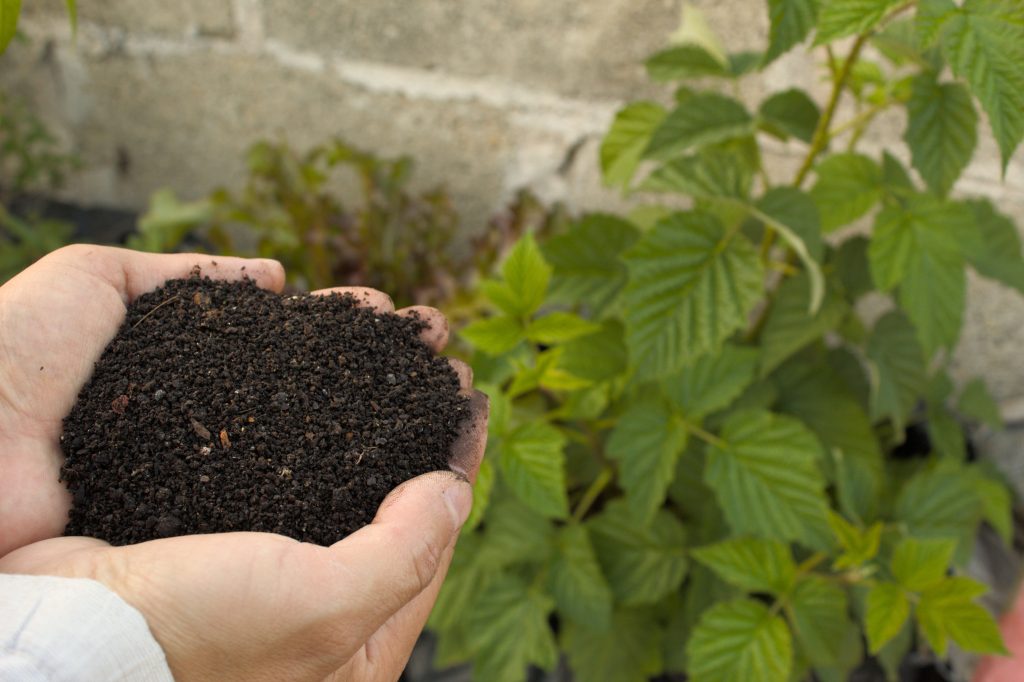
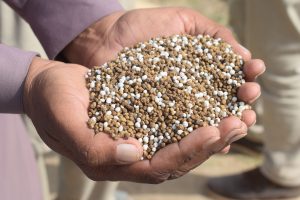
Organic fertilizer behaves differently in June than it does in early spring.
In March or April, soil may still be cold, wet, and slow. Roots may be waking up. Soil biology may be active only in short windows when temperature and moisture are favorable. Organic amendments may sit for a while before releasing much nutrition. A gardener or grower may apply a good organic product and not see much response right away.
By June, the soil has changed.
Warm-season vegetables are growing. Lawns are active. Berries are fruiting. Annual flowers are blooming. Corn is stretching. Tomatoes and peppers are entering fruit set. Cucumbers and squash are running. Soil temperatures are higher. Microbial activity increases when moisture and oxygen are present. Organic materials begin breaking down more steadily. Nutrients tied up in natural materials become more available as the soil food web works on them.
That does not mean organic fertilizers become instant.
They still depend on moisture, soil contact, microbial activity, particle size, and root demand. But June is the month when organic fertility often begins to show its real strength. The soil is warm enough to process organic inputs more actively. Roots are large enough to use released nutrients. Plants are demanding enough that slow, steady feeding can be useful.
The key is to use organic products with realistic expectations.
Organic fertility is not just about what is in the bag or jug. It is about the living soil conditions that help turn that product into plant-available nutrition. Warm soil helps. Moisture helps. Oxygen helps. Good placement helps. Overly dry soil slows release. Saturated soil limits root function. Compaction reduces oxygen. Heavy mulch can block fertilizer from reaching the soil if products are applied on top and left there. Containers behave differently than garden beds. Sandy soils behave differently than clay soils.
June organic feeding works best when growers understand the soil, the crop stage, and the release pattern.
For this June window, three Supply Solutions products fit especially well: Organic Seafood Fertilizer 6-7-2, Organic Crab Meal Fertilizer 4-2-0 + 18% Calcium, and Pacific Bounty Liquid Fish Fertilizer. Each one fits a different use. Organic Seafood Fertilizer supports soil feeding and broad organic nutrition. Crab Meal brings slow-release nitrogen with calcium and soil-building value. Pacific Bounty offers gentle liquid feeding when plants need a more immediate, softer organic boost.
Warm soil wakes up organic nutrient cycling
Organic fertilizers rely on biological activity more than highly soluble synthetic fertilizers do.
That is not a weakness. It is just a different system.
Organic materials need to be broken down. Soil microbes, fungi, earthworms, insects, moisture, temperature, and oxygen all affect how quickly nutrients become available. When the soil is cold, that breakdown slows. When the soil is too dry, microbes slow down. When soil is saturated, oxygen becomes limited and roots suffer. When soil is warm and evenly moist, nutrient cycling becomes much more active.
June usually brings the kind of warmth that supports this process.
That makes June a good month for organic fertility, especially in gardens, raised beds, fruit plantings, flower beds, lawns, small farms, and landscapes where growers want a steady nutrient release rather than a hard push.
But warm soil can also expose poor management.
If the soil is warm but dry, organic products may sit without breaking down well. If soil is warm but compacted, microbial activity and root function may be limited. If an organic fertilizer is applied on top of dry mulch, it may not reach the active soil zone. If a grower expects a slow-release organic meal to correct a severe deficiency overnight, disappointment follows.
Organic fertility works with the soil. It does not bypass the soil.
Moisture is the switch that keeps organic fertility working
Warmth alone is not enough.
Organic fertilizer needs moisture to break down and move nutrients into the root zone. Microbes need moisture. Roots need moisture. Nutrients need soil water to reach roots. A dry June can slow organic nutrient release even when soil temperatures are high.
This is one reason plants may look hungry in dry weather even after fertilizer has been applied.
The nutrients may be present, but not moving. Microbial breakdown may be slow. Roots may be conserving water instead of actively feeding. A grower may respond by adding more fertilizer, but the better correction may be watering deeply and evenly.
At the same time, too much water can also create problems.
Saturated soil loses oxygen. Roots become less active. Organic matter decomposition can shift in ways that are less favorable for healthy root growth. Nutrient uptake slows. Plants may yellow even though nutrients are present.
June organic feeding should always be paired with moisture review.
Before applying a dry organic fertilizer, check whether the soil has enough moisture to receive it. After application, water it in properly. Before using a liquid organic feed, make sure roots are not drought-stressed or waterlogged. The best response usually comes when soil is moist, warm, and aerated.
Organic Seafood Fertilizer fits broad summer soil feeding
Organic Seafood Fertilizer 6-7-2 is a useful June product because it provides organic nutrition in a form that fits active summer soil.
Its 6-7-2 analysis gives nitrogen, phosphorus, and potassium in a balanced but not overly aggressive way. That makes it practical for vegetable beds, flower beds, small farm plots, gardens, perennials, and soil-building programs where crops need steady feeding and roots are active.
The problem Organic Seafood Fertilizer helps solve is the need for organic fertility support during active growth. In June, many plants are no longer just establishing. They are branching, flowering, fruiting, blooming, or preparing to carry heavier demand. A product like this supports that demand while still fitting into an organic soil-feeding approach.
The timing is June once soil is warm and plants are actively growing. It can be worked into the soil before planting where appropriate, side-applied around established crops according to directions, or used in beds where the grower wants a steady organic nutrient contribution.
It fits tomatoes, peppers, cucumbers, squash, melons, corn, brassicas, herbs, annual flowers, perennials, and mixed garden beds when the crop stage and soil need call for broad feeding. It is also useful where growers want to support soil biology by adding organic nutrient sources that break down over time.
The caution is that Organic Seafood Fertilizer is not a quick rescue for plants in severe deficiency or drought stress. It needs soil contact, moisture, and time. If a plant is severely pale because nitrogen is immediately short, a faster-acting product may be needed. If the soil is dry, water first. If the soil is saturated, wait until roots can breathe.
Organic Seafood Fertilizer works best as part of a steady June program, not as a last-minute emergency correction.
Crab Meal supports slow feeding and calcium contribution
Organic Crab Meal Fertilizer 4-2-0 + 18% Calcium has a different place in June fertility.
It supplies organic nitrogen and phosphorus at moderate levels, along with a significant calcium contribution. It also brings the slow-release character of a meal product, which makes it useful for longer-term feeding and soil-building programs.
The problem Crab Meal helps solve is the need for slow, steady organic nutrition with calcium support. In June, this can be useful around tomatoes, peppers, squash, cucumbers, melons, fruiting crops, perennials, berries, shrubs, and garden beds where growers want a slower organic nutrient release rather than a strong soluble push.
The timing is best when the product has time to break down. Crab Meal should be applied before or during active growth, with enough soil moisture and warmth to support microbial breakdown. In June, warm soil helps the process, but it still should not be treated as an instant calcium or nitrogen fix.
Its calcium content is valuable, but the same calcium principle still applies: calcium must move with water through active roots. Crab Meal can contribute calcium to the soil system, but it will not prevent fruit quality problems if plants dry out repeatedly, roots are damaged, or irrigation is inconsistent.
This product fits long-season vegetable beds, organic fruiting crop programs, perennial plantings, and soil-building systems where gradual feeding makes sense. It can also be useful where growers want to improve the organic nutrient base around plants rather than rely only on liquid feeding.
The caution is placement and timing. Meal products should not be piled against stems or crowns. They should be applied where soil biology can work on them and where roots can eventually access released nutrients. Keep it off tender plant tissue, water it in, and use it according to directions.
Crab Meal is best understood as a slow organic contributor to soil fertility and calcium support, not a quick rescue product.
Pacific Bounty fits gentle liquid feeding in active June growth
Sometimes plants need a gentler, more immediate organic feed than a dry meal or granular product can provide.
That is where Pacific Bounty Liquid Fish Fertilizer fits well.
Pacific Bounty is useful in June for container plants, patio vegetables, herbs, tomatoes, peppers, berries, citrus, young transplants, hanging baskets, and garden crops that need steady support without a harsh push. As a liquid fish fertilizer, it can be applied in a feeding rhythm that supports active growth while staying gentle on the plant when used properly.
The problem Pacific Bounty helps solve is mild nutrient demand during active growth, especially where plants need encouragement but not a heavy application. It is useful when crops are growing but could use a steady organic liquid feed. It is also useful after transplanting once roots begin to recover, after harvest on herbs, during container watering programs, or when plants need a mild boost during warm weather.
The timing is June during active growth, especially when roots are moist and functioning. It should not be applied to bone-dry, wilted roots as a first response. Water stressed plants first, let them recover, then feed.
Pacific Bounty fits small spaces especially well. Containers and raised beds often lose nutrients faster under frequent watering. A gentle liquid feed can keep plants supported without overloading the root zone if rates are followed.
The caution is that Pacific Bounty is not the same as a high-potassium fruiting correction or a fast calcium correction. If tomatoes or peppers need strong potassium support, another product may be better. If blossom end rot is the concern, calcium and water management need to be addressed directly. Pacific Bounty is best for steady organic support, not as the only answer to every June problem.
Organic fertilizers need soil contact
One of the most common mistakes with organic dry fertilizers is leaving them on top of mulch.
A grower may apply Organic Seafood Fertilizer or Crab Meal to a mulched tomato bed, then water lightly. The mulch smells fed, but the soil receives very little. The product may sit in the mulch layer instead of reaching the active soil zone where microbes and feeder roots can use it.
In June, many beds are mulched to protect moisture. That is good. But feeding through mulch requires attention.
For dry organic products, pull the mulch back. Apply the fertilizer to the soil around the active root zone, keeping it away from stems. Lightly incorporate if appropriate and if roots will not be damaged. Water thoroughly. Then replace the mulch.
This is especially important with Organic Seafood Fertilizer and Organic Crab Meal. Both need access to soil biology. They are not meant to sit dry on the surface.
For Pacific Bounty, make sure the liquid reaches the soil and root zone. If mulch is very thick or hydrophobic, apply slowly so the feed does not run off or remain in the mulch layer.
Organic fertility should be placed where the soil can work on it.
Warm soil can speed release, but it can also increase demand
June warmth increases microbial activity, but it also increases plant demand.
This is why organic fertility can feel like it is working better and still not be enough if the crop is under heavy load. Tomatoes are setting fruit. Cucumbers are producing. Squash are sizing rapidly. Corn is growing fast. Baskets are being watered daily. Lawns are being mowed often. Berries are ripening. Annual beds are blooming hard.
Nutrient release and nutrient demand are both rising.
That makes observation important. A slow-release organic product may support the background fertility of the bed, while a liquid product may be needed for more immediate support. A crop may need potassium, calcium, or nitrogen in different proportions than a general organic product provides. Organic systems still require nutrient balance.
For example, Organic Seafood Fertilizer 6-7-2 can support broad feeding, but a heavily fruiting tomato crop may also need specific potassium and calcium management. Crab Meal can contribute calcium and slow organic nitrogen, but it will not correct immediate water-related blossom end rot on fruit already damaged. Pacific Bounty can gently support growth, but it may not supply enough targeted nutrition for a crop under peak production by itself.
Organic fertility is still agronomy. The product must match the crop stage.
Tomatoes and peppers need steady organic support, not overfeeding
Tomatoes and peppers are good examples of June balance.
They need nutrients, but they do not need excessive nitrogen once they move into flowering and fruiting. Too much nitrogen can push leafy growth, increase water demand, reduce airflow, and delay the shift into productive fruiting. At the same time, starving plants will not produce well.
Organic Seafood Fertilizer fits tomato and pepper beds where broad organic nutrition is needed during active growth. It is useful when plants are established and the soil is warm enough to process organic inputs.
Crab Meal can fit long-season tomato and pepper beds where slow-release nitrogen and calcium support are part of the plan. It is especially useful where the grower wants to build soil fertility gradually around fruiting crops.
Pacific Bounty fits tomatoes and peppers that need gentle liquid support, especially in containers, raised beds, or transplant situations.
The key is to avoid using any organic product as an excuse to overfeed. Organic nitrogen still counts. Rich compost still counts. Manure history still counts. A dark green, overly leafy tomato plant should not be pushed harder simply because the fertilizer is organic.
Organic fertility should guide plants into production, not force excessive canopy.
Cucumbers and squash respond to warm soil feeding
Cucumbers and squash grow quickly in June.
That rapid growth can make them good candidates for organic fertility, especially once soil is warm. They need steady nutrition for vines, leaves, flowering, and fruiting. They also need regular moisture because large leaves lose water quickly and fruit develops rapidly.
Organic Seafood Fertilizer 6-7-2 can fit cucumbers and squash as a broad organic feed when plants are established and beginning to run. It supports the soil and crop during active growth.
Crab Meal can be useful where a slower organic feed is desired, especially in beds prepared for long-running squash, pumpkins, or cucumbers. Its calcium contribution supports the soil system, though water consistency still drives calcium movement.
Pacific Bounty can support cucumbers and squash gently during early growth, after transplanting, or in containers where dry products may be harder to manage.
The caution is that cucurbits also have strong potassium demand as fruiting increases. These three products can support organic fertility, but growers should still watch potassium status and fruiting performance. A lush vine that is slow to fruit may not need more nitrogen. A plant carrying fruit may need stronger potassium support than a general organic feed provides.
Organic feeding works best when it follows the crop’s stage.
Herbs need lighter organic feeding than heavy fruiting crops
Herbs are often overfed.
Basil, parsley, cilantro, mint, dill, oregano, thyme, rosemary, sage, and chives do not all need the same fertility. Some herbs, like basil and parsley, appreciate steady nutrition and moisture. Others, like thyme, rosemary, sage, and oregano, often perform better in leaner, well-drained conditions.
June herb feeding should be careful.
Pacific Bounty Liquid Fish Fertilizer fits many herbs because it provides gentle organic liquid support. It can be useful after harvest, when basil or parsley needs to regrow, or when container herbs begin to pale from repeated watering.
Organic Seafood Fertilizer may fit herb beds where broader organic nutrition is needed, but it should be used with restraint.
Crab Meal may be more useful in perennial herb beds or soil-building programs than as a frequent feeding product for small herb pots.
The problem with overfeeding herbs is soft, watery growth. It may look lush but can reduce quality, flavor concentration, and plant sturdiness. In June, feed herbs enough to keep them productive, not enough to make them weak.
Flower beds benefit from steady organic nutrition
Annual and perennial flower beds can use organic fertility well in June.
Annuals are blooming and growing. Perennials are recovering from spring bloom or preparing for summer bloom. Landscape beds are filling in. Warm soil supports nutrient cycling, and mulch helps keep moisture steady.
Organic Seafood Fertilizer fits flower beds where broad organic nutrition is needed. It supports growth and bloom potential without being a harsh, quick push.
Crab Meal fits perennial beds and longer-term soil support where slow feeding and calcium contribution are useful. It can be applied where roots can access nutrients over time, especially in beds that are being built for season-long performance.
Pacific Bounty fits containers, young annuals, and flower beds that need gentle liquid support during active growth.
The main caution in flower beds is not to overfeed nitrogen. Too much leaf growth can reduce bloom balance and make plants softer in heat. Organic fertilizers release more slowly, but they still supply nitrogen. Use them to support plant function, not force lush growth.
June flowers need staying power. Organic feeding can help when it is steady and well-timed.
Lawns can use organic fertility, but expectations matter
Organic lawn feeding in June can be useful, but it should be managed realistically.
Lawns need nitrogen for color and growth, potassium for stress tolerance, and good soil conditions for root development. Organic fertilizers can support turf gradually, especially in warm soil where microbial activity is stronger. But a slow organic feed will not green a lawn as quickly as a soluble nitrogen product.
Organic Seafood Fertilizer can fit smaller lawn areas or turf programs where gradual organic nutrition is desired. It supports soil feeding and steady growth rather than a hard flush.
Crab Meal may fit soil-building efforts in turf areas where slow-release organic nitrogen and calcium contribution are part of a longer-term program.
Pacific Bounty may fit small turf, landscape, or spot-use situations where gentle liquid support is practical.
The caution is scale and timing. Lawns under summer heat should not be pushed heavily if they are drought-stressed. Organic products still need moisture. Apply when the lawn is active and soil moisture is adequate. Avoid applying before runoff-producing storms. Mow properly and water deeply.
Organic lawn feeding is strongest when it supports soil and roots over time.
Raised beds process organic inputs quickly in June
Raised beds warm faster than ground-level soil.
That can make organic fertility more active in June, but raised beds also dry faster and may leach nutrients more quickly depending on the mix. A raised bed filled with compost-heavy material can release nutrients quickly once warm, but it can also lose moisture and soluble nutrients faster under frequent watering.
This makes raised-bed feeding a balancing act.
Organic Seafood Fertilizer can support broad nutrition in raised beds during active growth. It should be applied to the soil and watered in, not left on top of mulch.
Crab Meal can support longer-term feeding and calcium contribution in beds with fruiting crops or perennials. It should be applied early enough to break down and not expected to act instantly.
Pacific Bounty fits raised beds where a gentle liquid feed is useful between dry organic applications, especially for young plants, herbs, patio crops, or vegetables needing mild support.
The main issue in raised beds is moisture consistency. Organic products cannot work well if the bed dries hard every few days. Mulch, deep watering, and correct spacing matter.
Containers need gentle, consistent organic feeding
Organic fertility in containers is different from organic fertility in ground soil.
Containers have limited soil biology, limited root volume, faster drying, and more nutrient leaching. A dry organic meal in a container may not break down evenly if the mix dries often. A liquid organic feed may be easier to manage because it moves through the root zone with watering.
Pacific Bounty Liquid Fish Fertilizer is often the best fit among these three products for containers because it provides gentle liquid support and can be used in a regular feeding rhythm.
It fits tomatoes, herbs, citrus, berries, patio vegetables, young plants, and edible containers. The problem it helps solve is nutrient depletion from frequent watering without overloading the limited root zone.
Organic Seafood Fertilizer and Crab Meal may be used in container systems where appropriate, but they require more care because dry organic products need moisture, time, and microbial activity. They should not be overapplied in a small pot.
The caution is salt, odor, and root stress. Even organic products can create problems if used too heavily in containers. Always apply to moist media, keep drainage open, and avoid feeding dry, wilted plants as a first response.
Containers need steady support, not heavy organic loading.
Organic feeding should not ignore potassium and calcium demand
June crops often need more than general feeding.
Tomatoes, peppers, cucumbers, squash, melons, pumpkins, fruit trees, berries, and flowering plants all increase potassium demand as they move into fruiting or heavy bloom. Calcium becomes important for fruit quality and plant tissue strength. Magnesium may matter for leaf function. Nitrogen still matters, but too much can cause problems.
Organic products should be part of a balanced fertility plan.
Organic Seafood Fertilizer 6-7-2 gives broad organic nutrition. Crab Meal 4-2-0 + 18% Calcium adds slow nitrogen and calcium contribution. Pacific Bounty provides gentle liquid support.
But if a crop is clearly in a high-potassium fruiting stage, a potassium-specific product may also be needed. If blossom end rot appears, water consistency and calcium movement must be managed directly. If nitrogen is severely short, a slow meal may not act fast enough.
Organic fertility is not guessing with natural products. It is still matching nutrient supply to crop demand.
Soil testing still matters in organic systems
Organic growers sometimes rely heavily on observation, compost, and experience.
Those are valuable. But soil testing still matters.
A garden can build excessive phosphorus over time from repeated organic amendments. Potassium can be low even in a rich-looking soil. Calcium may be present, but pH or moisture may limit plant response. Magnesium can be high or low. Organic matter may be good, but nitrogen release may not match crop demand. pH can drift.
Testing helps avoid repeated mistakes.
Before applying the same organic products year after year, check what the soil actually needs. Organic Seafood Fertilizer may fit broad feeding, but it still contributes phosphorus. Crab Meal contributes calcium and phosphorus. Pacific Bounty supports plants gently, but repeated feeding still adds nutrients.
Organic does not mean consequence-free. Nutrients accumulate, move, and interact.
Testing keeps organic programs balanced.
A practical June organic fertility approach
Start by checking the soil.
Is it warm? Moist? Dry? Saturated? Compacted? Mulched? Are roots active? Is the crop newly transplanted, vegetative, flowering, fruiting, or recovering from harvest?
Then choose the product based on the need.
Use Organic Seafood Fertilizer 6-7-2 when the crop or bed needs broad organic nutrition during active June growth. It fits vegetable beds, flower beds, gardens, perennials, and small production areas where soil biology can process the material and plants need steady feeding.
Use Organic Crab Meal Fertilizer 4-2-0 + 18% Calcium when slow organic nitrogen and calcium contribution are useful. It fits fruiting crops, perennials, soil-building programs, and long-season beds where growers want gradual feeding and calcium support in the soil system.
Use Pacific Bounty Liquid Fish Fertilizer when plants need gentle liquid organic support during active growth. It fits containers, herbs, patio vegetables, young plants, transplants, berries, citrus, and crops that need steady feeding without a hard push.
Then apply correctly.
Pull mulch back for dry products. Keep fertilizer away from stems and crowns. Water in. Apply liquid feeds to moist root zones. Do not feed drought-stressed or waterlogged plants without correcting moisture first. Watch plant response in new growth rather than expecting old damaged leaves to recover fully.
Organic fertility works best when it is timed ahead of demand.
Warm June soil gives organic programs a stronger window
June is one of the best months to use organic fertility well because soil conditions are finally working with the grower.
Warm soil supports biological activity. Active roots can use released nutrients. Plants are growing fast enough to respond. Moisture, if managed well, keeps the system moving. Organic inputs can support not only the plant, but the soil system that carries the plant through summer.
The important part is staying practical.
Organic fertilizers still need placement, moisture, timing, and balance. They are not magic. They are not always fast. They can be overused. They can be underused. They can be the right product at the wrong time if the plant’s stage is ignored.
Used well, they help create steady growth rather than a sharp push and crash.
Supply Solutions offers practical organic options for warm June soil. Organic Seafood Fertilizer 6-7-2 fits broad organic feeding in gardens, beds, crops, and landscapes where warm soil can support nutrient cycling. Organic Crab Meal Fertilizer 4-2-0 + 18% Calcium fits slow-release organic nutrition and calcium contribution for long-season crops, perennials, and soil-building programs. Pacific Bounty Liquid Fish Fertilizer fits gentle liquid feeding for containers, herbs, patio crops, vegetables, berries, citrus, and young plants that need steady support through summer growth. Used with warm soil, consistent moisture, good placement, and proper crop-stage timing, these products help farmers, gardeners, landscapers, and small growers make organic fertility work with the soil instead of fighting against it. Contact Supply Solutions for help choosing the right organic fertility program for June gardens, raised beds, containers, lawns, flower beds, or production crops.