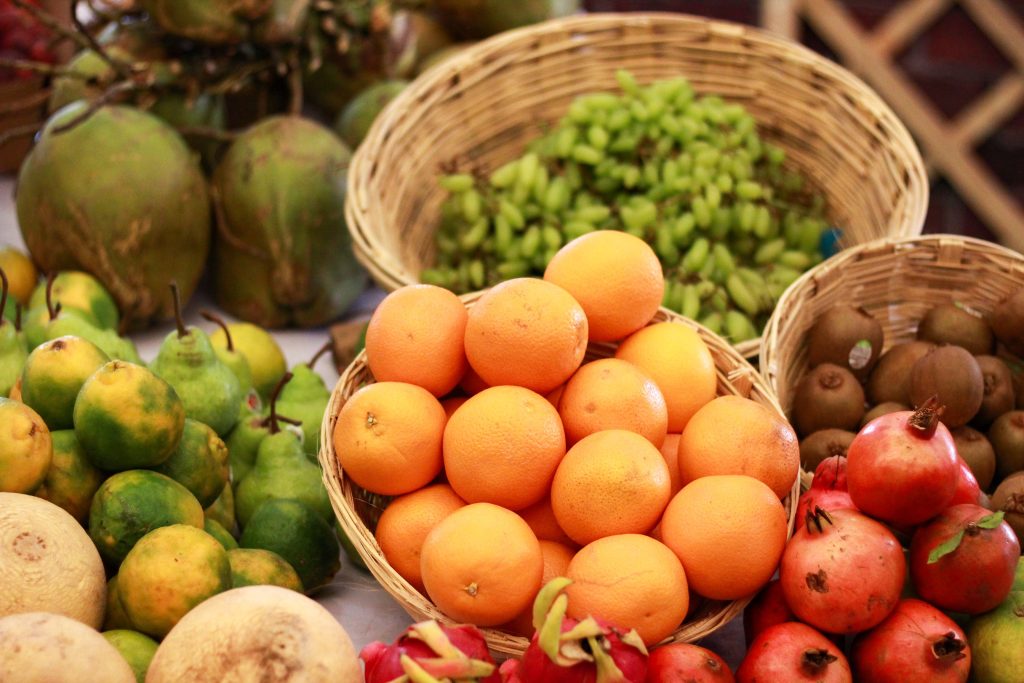
Fruit in containers can be productive, but it is not forgiving in June.
A lemon tree on a patio, a blueberry in a large pot, strawberries in a planter, figs near a sunny wall, dwarf peaches in tubs, raspberries in containers, or patio citrus in a greenhouse all depend on a smaller root zone than the same plant would have in the ground. That smaller root zone warms faster, dries faster, leaches nutrients faster, and reacts more sharply to mistakes.
In spring, container fruit may look easy. The weather is mild. The potting mix stays moist longer. Plants push new leaves. Citrus begins flushing. Strawberries bloom. Blueberries set fruit. Figs wake up. Patio fruit trees look fresh. A little water and occasional feeding may seem like enough.
By June, the container tells the truth.
Heat builds around the pot. Roots fill more of the available space. Daily watering becomes common. Nutrients move out of the container with drainage water. Leaves lose water faster. Fruit begins sizing. Flowers may drop. Older leaves may yellow. Blueberries may stall if the root zone dries. Citrus may shed small fruit when moisture swings. Strawberries may produce smaller berries. Figs may wilt in afternoon sun. Dwarf fruit trees may push soft growth if overfed with nitrogen, but still fail to hold fruit well if water and potassium are inconsistent.
Container fruit needs steady management, not heavy rescue.
The goal in June is to keep roots moist but not saturated, feed lightly and consistently, support potassium demand during fruiting, maintain leaf function, and avoid pushing too much soft growth. The grower has to think more like a manager of a small system than a person watering a plant. Every decision matters because the root zone is limited.
For citrus, berries, and patio fruit in containers, three Supply Solutions products fit naturally: Pacific Bounty Liquid Fish Fertilizer, Jack’s Classic 20-20-20 All Purpose Water-Soluble Fertilizer, and KMS 0-0-21.5 Potassium Magnesium Sulfate. Pacific Bounty fits gentle organic liquid feeding. Jack’s 20-20-20 fits balanced water-soluble nutrition where container plants need a broader feed. KMS fits potassium, magnesium, and sulfur support when fruiting plants need stress tolerance and leaf function without another nitrogen push.
The key is choosing the right product for the stage of the plant and the condition of the container.
Why Container Fruit Needs Different Care
A container is not a field soil.
In the ground, roots can explore a larger area. They can find moisture deeper in the soil. They can access stored nutrients across a wider root zone. Soil temperature changes more slowly. Microbial activity, mineral reserves, and soil structure create more buffering.
A container has less room for error.
The root system is limited by pot size. The potting mix may be light and fast-draining. Water moves through quickly. Nutrients leach every time water drains from the bottom. The container wall heats in direct sun. Roots near the edge may experience higher temperatures than roots in the center. If drainage is poor, the bottom of the pot can stay wet while the top feels dry.
This makes June especially demanding.
A container fruit plant may need water every day, but that does not mean it needs heavy fertilizer every day. It may need steady feeding, but only when the root zone is moist and active. It may need potassium support during fruiting, but too much concentrated fertilizer in a small pot can stress roots. It may need nitrogen for leaf growth, but excessive nitrogen can push soft foliage and increase water demand.
Container fruit grows best when care is consistent and measured.
June Heat Changes The Root Zone
Container roots can get hotter than growers expect.
A dark pot in full sun can heat quickly. A container sitting on concrete, pavers, brick, gravel, or a wooden deck may experience reflected heat. A plant near a south-facing wall may receive more heat than the air temperature suggests. Raised planters and hanging systems may dry from all sides.
When roots heat up, water demand increases.
The plant may wilt by afternoon even if it was watered in the morning. The potting mix may shrink away from the container wall. Water may run down the sides instead of soaking the root ball. Roots may become stressed, and nutrient uptake can become uneven.
This is one reason container fruit sometimes drops flowers or small fruit in June.
The plant is not always starving. It may be swinging between wet and dry. It may be overheated. It may have roots packed tightly against the pot wall. It may be receiving fertilizer without enough steady water to use it properly.
Before changing the fertilizer program, check the root-zone conditions.
Lift the pot if possible. Feel its weight. Check moisture several inches down. Look at drainage. Notice whether the plant recovers overnight after wilting. A container that wilts every afternoon and recovers overnight may need deeper watering, more mulch on the pot surface, afternoon protection, a larger container, or more consistent irrigation before stronger feeding.
Pacific Bounty Fits Gentle Organic Support
Pacific Bounty Liquid Fish Fertilizer fits container fruit because it provides gentle liquid organic feeding during active growth.
It is useful when plants need steady support but not a harsh push. Many patio fruit plants benefit from this kind of feeding in June because they are actively growing, using nutrients, and being watered often. A liquid feed can move through the root zone more evenly than a dry product if the potting mix is already moist.
The problem Pacific Bounty helps solve is mild nutrient demand in container plants that are active but not severely deficient. It fits citrus, berries, strawberries, figs, herbs near fruit plantings, young patio trees, and mixed edible containers where a gentle organic liquid feed is appropriate.
The timing is June during active growth, especially after watering routines become more frequent. It can be used when plants are established, roots are functioning, and the container is draining properly. It is especially useful after light harvest, after transplant recovery, or when plants need support without being pushed into soft growth.
The caution is that Pacific Bounty is not a high-potassium fruiting correction and is not a fast solution for severe deficiency. If a plant is carrying fruit and needs stronger potassium support, KMS may fit better. If the container is generally depleted and needs a balanced water-soluble feed, Jack’s 20-20-20 may be more appropriate. Pacific Bounty is best for gentle support, not for every problem.
Do not apply it to a dry, wilted container as the first response. Water first, let the roots recover, then feed.
Jack’s 20-20-20 Fits Balanced Container Feeding
Jack’s Classic 20-20-20 All Purpose Water-Soluble Fertilizer fits container fruit where balanced nutrition is needed.
Its 20-20-20 analysis supplies nitrogen, phosphorus, and potassium evenly. In container systems, that can be useful because nutrients are limited and leached by frequent watering. A balanced water-soluble product can help maintain growth, leaf color, root function, and general plant vigor when used correctly.
The problem Jack’s 20-20-20 helps solve is broad nutrient depletion in containers. This may show up as pale leaves, slow growth, weak flushes, poor recovery after watering stress, or general lack of vigor. It is especially useful where the plant needs more than a single nutrient correction.
The timing is June when container plants are actively growing and being watered frequently. It can fit citrus, patio fruit trees, strawberries, figs, young berry plants, mixed edible containers, and greenhouse fruit plants where balanced feeding is appropriate.
The caution is nitrogen. A 20-20-20 product supplies a meaningful amount of nitrogen. That can be helpful for plants that need growth support, but it can be too much if the plant is already lush and leafy. For fruiting plants, excessive nitrogen can increase soft growth and water demand. It can also shift the plant away from balanced fruiting if overused.
Jack’s 20-20-20 works best as a measured, balanced feed for containers that need general nutrition. It should not be mixed too strong or applied too frequently in a small root zone.
KMS Fits Potassium Magnesium And Sulfur Needs
KMS 0-0-21.5 Potassium Magnesium Sulfate fits container fruit when potassium, magnesium, and sulfur are needed without adding nitrogen.
This is especially important in June because many patio fruit plants are shifting from leaf growth into fruit sizing and stress management. Potassium supports water regulation, fruit development, plant strength, and heat tolerance. Magnesium supports chlorophyll and leaf function. Sulfur supports plant metabolism.
The problem KMS helps solve is fruiting and heat-stress demand where nitrogen is not the main need. A container citrus tree that is already leafy but carrying fruit may need potassium and magnesium more than another nitrogen push. A blueberry or strawberry planter that is fruiting may need potassium support for production and leaf function. A fig in a pot may need stress support as heat builds.
The timing is June when plants are active, roots are moist, and fruiting or heat stress is increasing. KMS should be used carefully in containers because the root zone is limited. Apply according to directions and water it in properly.
The caution is that KMS is not a complete fertilizer and not a nitrogen source. If a container plant is pale because it is generally underfed, Jack’s 20-20-20 or Pacific Bounty may be better depending on the level of need. KMS also should not be used blindly if magnesium is already high or if the plant does not need additional potassium.
KMS is best when the container plant needs potassium, magnesium, and sulfur support without more nitrogen.
Citrus In Containers Needs Steady Feeding And Moisture
Citrus in containers can be very rewarding, but it is sensitive to swings.
Lemons, limes, oranges, mandarins, kumquats, calamondins, and other patio citrus often grow in pots because they need winter protection in many U.S. regions. By June, they may be outside in stronger sun, flushing new growth, flowering, holding small fruit, or recovering from indoor conditions.
Container citrus needs consistent moisture, but not wet feet.
If the pot dries too hard, leaves may curl and fruit may drop. If the pot stays wet, roots may suffer and leaves may yellow. If the plant moves from indoor shade to full outdoor sun too quickly, leaves may scorch. If fertilizer is applied heavily to a stressed plant, root injury can follow.
Pacific Bounty can fit citrus when a gentle organic liquid feed is needed during active growth. It is useful when the plant is stable, rooted, and needs mild support without a hard push.
Jack’s 20-20-20 fits citrus that needs broader balanced feeding in a container, especially when regular watering has reduced nutrient availability.
KMS fits citrus where potassium and magnesium support are needed during fruiting or heat stress without adding nitrogen.
For citrus, leaf color should be read carefully. Pale leaves can come from nitrogen shortage, iron issues, magnesium shortage, cold root stress, waterlogging, pH problems, or root-bound conditions. Do not assume one product solves every yellowing pattern.
Blueberries In Containers Need Acidic Conditions And Consistency
Blueberries are often grown in containers because they need acidic conditions that may be easier to manage in a pot than in native soil.
But container blueberries dry quickly. They have shallow, fine roots. They dislike major moisture swings. They also need a root-zone pH that supports nutrient availability. In June, blueberries may be sizing fruit, ripening, or recovering after harvest depending on location and variety.
Water consistency is critical.
A blueberry container that dries out during fruit sizing may produce smaller berries and lose vigor. A pot that stays saturated may damage roots. Mulch on the surface can help reduce moisture swings, but it should not keep the crown wet.
Pacific Bounty may fit as gentle organic support where the overall blueberry program allows it and the plant needs mild feeding.
Jack’s 20-20-20 should be used carefully with blueberries because blueberries have specific pH and nutrient preferences. It may fit certain container programs when balanced feeding is needed, but pH management should not be ignored.
KMS can fit blueberries where potassium, magnesium, and sulfur are needed, especially where soil or media testing supports that need. The sulfur component may fit acid-loving crop programs, but pH should still be monitored.
For blueberries, never separate fertilizer from water and pH. Those three factors work together.
Strawberries In Planters Need Light Consistent Support
Strawberries in containers, towers, hanging planters, window boxes, and raised patio beds can produce well, but they dry quickly.
June can be a fruiting month, a post-harvest recovery month, or a continuing production period depending on whether the strawberries are June-bearing, everbearing, or day-neutral. The plant’s feeding needs depend on that stage.
During fruiting, strawberries need steady moisture and balanced support. Too much nitrogen can create excessive leaves at the expense of fruit quality and firmness. Too little fertility can reduce production and weaken plants. Repeated dry-down can reduce berry size and stress roots.
Pacific Bounty fits strawberry containers needing gentle liquid support, especially after harvest or during steady active growth.
Jack’s 20-20-20 fits when plants need balanced nutrition and the container has become generally depleted from frequent watering.
KMS fits where potassium and magnesium support are needed during fruiting or heat stress without pushing nitrogen.
Strawberries in small planters should be fed carefully. A small root zone can burn if fertilizer is too strong. Water first, feed lightly, and keep drainage open.
Figs In Containers Need Water Without Waterlogging
Figs are well-suited to containers in many regions, but June heat can stress them.
A container fig may leaf out strongly, then begin wilting as the pot warms and roots fill the container. Figs can tolerate some dryness, but repeated severe dry-down can cause leaf drop, fruit drop, or stalled growth. On the other hand, constantly wet potting mix can create root problems.
Figs need a container large enough to buffer moisture.
A small pot may require daily watering and still leave the plant stressed. A large pot with good drainage is easier to manage. Mulch on the surface can help. Positioning the pot where it gets strong light but not extreme reflected heat can also help.
Pacific Bounty fits figs that need gentle organic support during active growth.
Jack’s 20-20-20 fits figs that are generally underfed and need balanced nutrition.
KMS fits when potassium and magnesium support are needed, especially as the plant moves into fruit development or summer heat.
Avoid overfeeding nitrogen if the fig is already pushing vigorous leaves. Strong leafy growth without balanced root moisture can increase water demand and stress.
Dwarf Patio Fruit Trees Need Balance
Dwarf peaches, nectarines, apples, cherries, plums, and other patio fruit trees can be grown in containers, but they require discipline.
A small tree in a pot may flower and set fruit, but it still has a limited root system. Carrying too much fruit can weaken the tree. Dry-down during fruit sizing can reduce fruit size or cause fruit drop. Too much nitrogen can push shoots instead of helping the tree balance fruit and canopy.
June is the time to check crop load, water, and feeding together.
A young patio tree may need some fruit thinned so it does not overcarry. The pot should be large enough for the tree. The plant should be watered deeply, not just sprinkled. Fertility should support leaf function and fruit development without forcing soft growth.
Pacific Bounty can fit young patio fruit trees needing gentle support.
Jack’s 20-20-20 can fit when broad nutrition is needed, especially after regular watering has depleted the potting mix.
KMS can fit where potassium and magnesium support are needed during fruit sizing and heat stress.
Dwarf does not mean low demand. It means the plant’s demand is concentrated into a smaller container system.
Raspberries And Blackberries In Containers Need Root Space
Container raspberries and blackberries need more root space than many gardeners expect.
Cane berries grow vigorous roots and canes. They need water, support, pruning, and steady nutrition. In June, floricane types may be fruiting while new canes are growing for next year. Primocane types may be building canes that will fruit later. The plant may be supporting two seasons of growth at once.
A small container will struggle to keep up.
Water stress can reduce berry size and cane strength. Nutrient shortage can weaken canes. Too much nitrogen can create rank, soft growth that is harder to manage. Potassium is important for fruiting, cane strength, and stress tolerance.
Pacific Bounty can fit cane berries in containers where gentle organic liquid support is needed.
Jack’s 20-20-20 can fit when plants need balanced feeding during active growth.
KMS can fit where potassium, magnesium, and sulfur are needed during fruiting and heat stress without another nitrogen push.
Container cane berries should also be trellised or supported properly. Fertility cannot fix broken canes, poor pruning, or a container that is too small.
Grapes In Containers Need Canopy Control
Grapes can grow in large containers, but they need careful canopy management.
June grape growth can be vigorous. Shoots extend quickly. Leaves expand. Clusters develop. A container grape can become root-limited and canopy-heavy if not managed. Too much nitrogen can make this worse by pushing excessive foliage. Dense growth shades clusters, reduces airflow, and increases water demand.
Fertility should support function, not uncontrolled growth.
Pacific Bounty can provide gentle support where the vine needs mild feeding.
Jack’s 20-20-20 can fit when the vine is generally underfed, but it should be used carefully because nitrogen can push vegetative growth.
KMS can fit grape containers where potassium and magnesium support are needed as clusters develop and heat stress increases.
For grapes, pruning, training, and watering matter as much as feeding. A well-managed canopy lets leaves feed fruit without smothering the vine.
Do Not Feed A Dry Container First
This is one of the most important container rules.
If the container is dry and the plant is wilted, water first. Do not apply fertilizer as the first response. Dry potting mix can shed liquid down the sides. Fertilizer salts can concentrate around stressed roots. Roots may be too stressed to take up nutrients safely.
Water slowly and thoroughly.
Make sure the full root ball is moist. If the potting mix has pulled away from the container wall, water in stages. Let the plant recover. Then feed later when roots are active again.
This matters for Pacific Bounty, Jack’s 20-20-20, and KMS. All three should be applied under conditions where roots can use them.
A wilted plant is asking for water first, not fertilizer first.
Drainage Matters As Much As Watering
Container fruit needs water, but it also needs drainage.
A pot without drainage holes is a risk. A saucer that stays full can keep roots wet. A decorative outer pot can trap water around the growing pot. Heavy potting mixes can stay saturated at the bottom while the top looks dry. Roots in wet, oxygen-poor media cannot feed properly.
Yellow leaves in container fruit are often blamed on nutrient shortage, but wet roots can create the same appearance.
Before feeding a yellow container plant, check drainage. Lift the pot. Smell the media if root rot is suspected. Look for water sitting in saucers. Make sure the container drains after watering. If the pot stays wet for days, feeding harder will not solve the problem.
Jack’s 20-20-20 should not be used to push a waterlogged plant. Pacific Bounty should not be poured into a saturated root zone. KMS will not help if roots cannot breathe.
Drainage is part of fertility.
Pot Size Controls How Much Buffer The Plant Has
A small pot makes every problem worse.
It dries faster. It heats faster. It holds fewer nutrients. It limits root growth. It requires more frequent watering. It increases the risk of overfeeding because the root zone is small. It also increases the risk of underwatering because there is little reserve.
Many patio fruit problems are really pot-size problems.
A blueberry in a small planter may dry too quickly. A citrus tree in a tight pot may drop fruit. A fig in a small black container may wilt every afternoon. A patio peach carrying fruit in a small tub may not have enough root system to support the crop.
Fertilizer cannot fully overcome a pot that is too small.
Pacific Bounty can help provide gentle support, but the plant still needs adequate root space. Jack’s 20-20-20 can supply balanced nutrients, but it cannot create more water reserve. KMS can support potassium and magnesium, but it cannot fix a root-bound plant by itself.
If a container fruit plant needs water constantly and still struggles, consider whether the pot is large enough.
Leaf Color Needs Careful Reading
Yellow leaves in container fruit have many causes.
Older leaves yellowing evenly may suggest nitrogen shortage, normal aging, or root stress. Yellowing between veins on older leaves may suggest magnesium shortage. Pale new growth may point toward iron, pH, root stress, or other micronutrient issues. Leaf drop may come from dry-down, overwatering, transplant shock, pest pressure, or sudden light changes. Brown leaf edges may come from salts, drought stress, potassium shortage, or root injury.
Do not fertilize based on one yellow leaf.
Look at the pattern. Check whether symptoms are on old or new leaves. Check moisture. Check drainage. Check pot size. Review recent fertilizer use. Look for pests under leaves. Consider whether the plant was recently moved from indoors to full sun.
Then match the product.
Use Pacific Bounty when gentle organic support fits the plant’s condition.
Use Jack’s 20-20-20 when the container needs balanced nutrition.
Use KMS when potassium, magnesium, and sulfur are needed without more nitrogen.
Good diagnosis prevents overfeeding the wrong problem.
Salt Buildup Can Stress Container Fruit
Containers can accumulate salts from fertilizer, water, and natural nutrient release.
This is especially common when plants are fertilized often, drainage is poor, or the container is watered lightly without enough water passing through. Salt buildup can burn root tips, brown leaf edges, and make plants wilt even when the potting mix is moist.
The grower may think the plant needs more fertilizer, but it may need flushing and better drainage.
Water thoroughly with plain water when needed to help move excess salts out of the root zone, as long as the pot drains well. Avoid letting runoff sit in a saucer. Do not mix water-soluble fertilizer stronger than directed. Use smaller, consistent feedings rather than harsh corrections.
This matters especially with Jack’s 20-20-20 and KMS because they supply concentrated nutrients. Pacific Bounty is gentler, but it still should not be overused.
Even good fertilizer becomes a problem when the container cannot drain and reset.
Feeding Should Follow Harvest And Growth Cycles
Container fruit plants do not all need the same feeding at the same time.
A strawberry planter during harvest has different needs than one recovering after harvest. A citrus tree flushing new leaves has different needs than one carrying fruit. A fig leafing out strongly may not need the same feed as a fig sizing fruit. A blueberry after harvest needs support for next year’s buds and plant health, not just fruit sizing. A young patio tree may need root and canopy development more than fruit support.
Feeding should follow the plant’s stage.
Pacific Bounty fits gentle support after light harvest, during active growth, or when plants need mild encouragement.
Jack’s 20-20-20 fits broad feeding when the plant needs balanced nutrition for leaves, roots, and general vigor.
KMS fits fruiting, heat stress, and leaf-function support where potassium and magnesium are needed without nitrogen.
Do not feed only by the calendar. Feed by plant stage and root-zone condition.
A Practical June Container Fruit Routine
Start with the container itself.
Is the pot large enough? Does it drain? Is it sitting in a saucer of water? Is the pot exposed to extreme reflected heat? Does the plant dry out every day? Is the root ball pulling away from the sides? Is the plant root-bound?
Then check moisture.
Water deeply when the top layer dries but before the root ball becomes severely dry. Avoid light splashing that wets only the surface. Water slowly if the mix is dry. Make sure water reaches the full root zone and drains freely.
Then check plant stage.
Is it flushing leaves, flowering, setting fruit, sizing fruit, recovering after harvest, or simply maintaining growth? Is it pale and generally underfed? Is it green but stressed in heat? Is fruit load heavy? Are older leaves showing magnesium-like yellowing?
Then feed according to need.
Use Pacific Bounty Liquid Fish Fertilizer when citrus, berries, strawberries, figs, or patio fruit need gentle organic liquid support during active growth.
Use Jack’s Classic 20-20-20 All Purpose Water-Soluble Fertilizer when container fruit plants need balanced nutrition after frequent watering has depleted the root zone.
Use KMS 0-0-21.5 Potassium Magnesium Sulfate when plants need potassium, magnesium, and sulfur support for fruiting, leaf function, and heat stress without another nitrogen push.
Apply to moist media. Avoid overmixing or overapplying. Let containers drain. Watch new growth and fruit response after feeding.
Container Fruit Performs Best With Consistency
The most productive patio fruit plants are usually not the ones that receive the strongest fertilizer.
They are the ones managed most consistently.
The pot is large enough. Water reaches the full root zone. Drainage is open. Fertilizer is applied lightly and regularly when the plant can use it. Potassium is considered during fruiting. Magnesium is considered when leaf function weakens. Nitrogen is supplied when growth needs it, but not pushed so hard that the plant becomes soft and water-hungry. Heat exposure is managed. Harvest timing and crop load are respected.
Container fruit asks for steady attention because it has little buffer.
Supply Solutions offers practical products for this June container-fruit window. Pacific Bounty Liquid Fish Fertilizer fits gentle organic liquid feeding for citrus, berries, strawberries, figs, young patio fruit, and edible containers that need mild support during active growth. Jack’s Classic 20-20-20 All Purpose Water-Soluble Fertilizer fits container fruit plants that need balanced nutrition after frequent watering has depleted the potting mix. KMS 0-0-21.5 Potassium Magnesium Sulfate fits fruiting containers that need potassium, magnesium, and sulfur support for fruit development, leaf function, and heat resilience without added nitrogen. Used with careful watering, good drainage, proper pot size, and stage-based feeding, these products help home gardeners, patio growers, greenhouse growers, and small farms keep container fruit productive through June heat. Contact Supply Solutions for help choosing the right fertility program for citrus, berries, figs, strawberries, patio trees, or edible container plantings.