

Uncategorized
What To Review Before Moving Into July Fertility Management
Late June is a useful moment to slow down and look at the whole growing system. By now, the season has enough history to teach
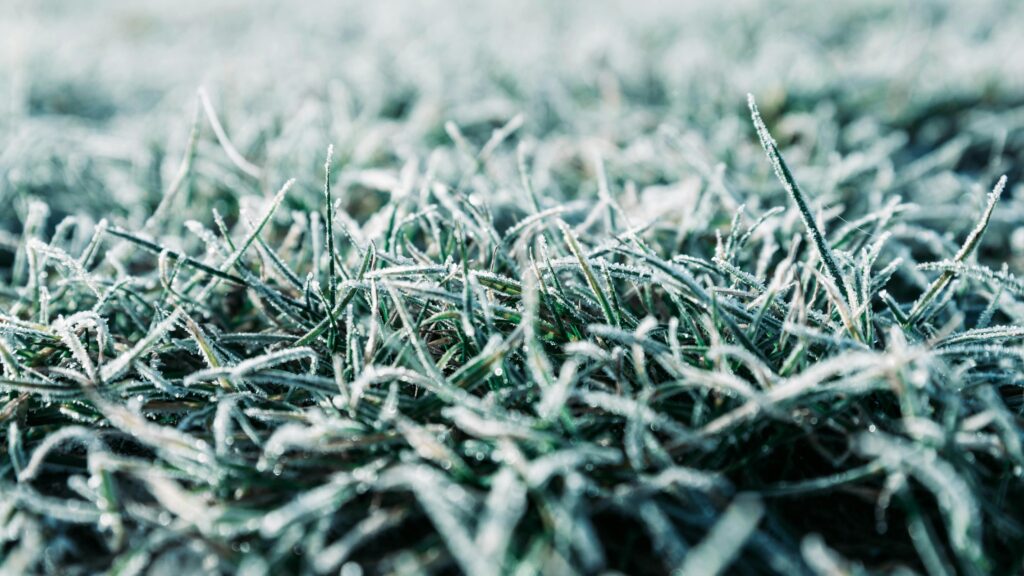
As the winter months approach, most plants slow down, entering a state of dormancy, much like animals going into hibernation. Deciduous trees and shrubs shed their leaves, conserving energy for the cold season, while conifers, though still green, experience a sharp reduction in growth. But just because growth is slower doesn’t mean your plants don’t benefit from some winter preparation. Fertilizing your lawn and garden during this time can provide essential nutrients to the roots, giving them a healthy start when spring rolls around.
Even when the surface freezes, plant roots continue to grow below the ground. Applying the right winter fertilizers can strengthen these roots, leading to a healthier, more vibrant landscape in the spring. However, before applying any fertilizer, it’s critical to test your soil to ensure that you’re addressing actual deficiencies, avoiding over-application, and preventing potential harm to your plants.
Winter fertilizers provide your grass, trees, and plants with the nutrients they need to survive the winter and store energy for the growing season. The key is to use a mix of slow-release and fast-release nitrogen fertilizers. These fertilizers nourish plant roots, preparing them for robust spring growth. Below, we explore different types of winter fertilizers and help you determine which one is best suited for your yard.
For those seeking an eco-friendly approach, organic fertilizers are an excellent choice. They nourish your plants without the use of harsh chemicals, focusing on improving soil health.
Pros:
Cons:
Synthetic fertilizers, while chemically derived, are known for their ability to quickly promote green, healthy growth. They can also help prevent weed and disease problems.
Pros:
Cons:
These fertilizers release nutrients gradually, providing plants with a steady supply over an extended period.
Pros:
Cons:
Available in liquid form, these fertilizers can be sprayed directly onto lawns and gardens, offering fast absorption.
Pros:
Cons:
While applying winter fertilizer is a straightforward process, too much or too little can harm your plants. If you’re unsure about when and how to apply fertilizer, consider hiring a local lawn care expert. They can ensure that the fertilizer is applied at the right time and in the right amounts, maximizing benefits and minimizing risks. A professional can also provide an estimate and recommend other services to keep your yard healthy year-round.
To set your garden up for success, it’s essential to apply winter fertilizers at the right time. Here’s a basic fertilization schedule:
Applying winter fertilizer is one of the most effective treatments for preparing your lawn and garden for spring. Harsh winter conditions can take a toll on plants, but winter fertilization gives them the best chance to survive and thrive when temperatures rise again.
Turfgrass requires careful attention to ensure it stays healthy year-round. The most critical nutrient for grass is nitrogen, which helps promote a vibrant, green lawn. Generally, lawns require 1 to 2 pounds of nitrogen per 1,000 square feet, applied before the ground freezes.
Perennials have their own fertilization needs. Applying fertilizer too early in the winter can delay dormancy, making them more vulnerable to damage. Instead, fertilize in late winter, just before spring growth begins. Always avoid fertilizing snow-covered or frozen ground to prevent runoff into nearby water sources.
Winter fertilization is a key step in preparing your lawn, trees, and plants for the cold season and ensuring they come back healthy in the spring. By selecting the right type of fertilizer and applying it at the optimal time, you can give your yard the best chance of thriving year-round. Whether you go organic or synthetic, slow-release or liquid, the right winter fertilizer will lay the foundation for a beautiful, lush landscape when the snow melts away.
Late June is a useful moment to slow down and look at the whole growing system. By now, the season has enough history to teach

Late June is when lawns start showing the truth about summer management. A lawn may have looked strong in May. It may have greened up
Give us a call or visit our store, and we’ll help you find the right solution for your business.
© Supply Solutions LLC 2026