Uncategorized
Late-Summer Orchard Nutrition: Use Leaf Analysis Before Adding More Fertilizer
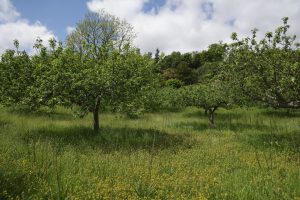
An orchard can look finished after the bins leave the row. The crop is harvested, irrigation demand begins to decline, and the urgency of the


As the frigid chill of winter melts away and the first signs of spring emerge, gardeners worldwide feel an exhilarating sense of anticipation. The time for planting is upon us, making it the perfect season to tweak our soil for optimal plant growth. One of the unsung heroes in the gardener’s toolkit is Gypsum Soil Acidifier Calcium. This fantastic product not only helps to amend and enhance the soil but also ensures that your plants will thrive with vigor and vitality. In this blog, we will explore how to use Gypsum Soil Acidifier Calcium during early spring to create a flourishing garden.
Before diving into the nitty-gritty of how to use this incredible product, let’s take a moment to understand what Gypsum Soil Acidifier Calcium actually is. Gypsum, or calcium sulfate, is a naturally occurring mineral that is renowned for its ability to improve soil structure. It serves multiple purposes, including:
In early spring, when the soil is ready to be worked, the impact of this soil amendment can be truly transformative.
Using Gypsum Soil Acidifier Calcium can benefit your garden in many ways:
The best time to apply Gypsum Soil Acidifier Calcium for maximum benefits is during early spring, just as the soil is warming up. This is usually when the risk of frost has passed, and you can work the soil without any hindrances.
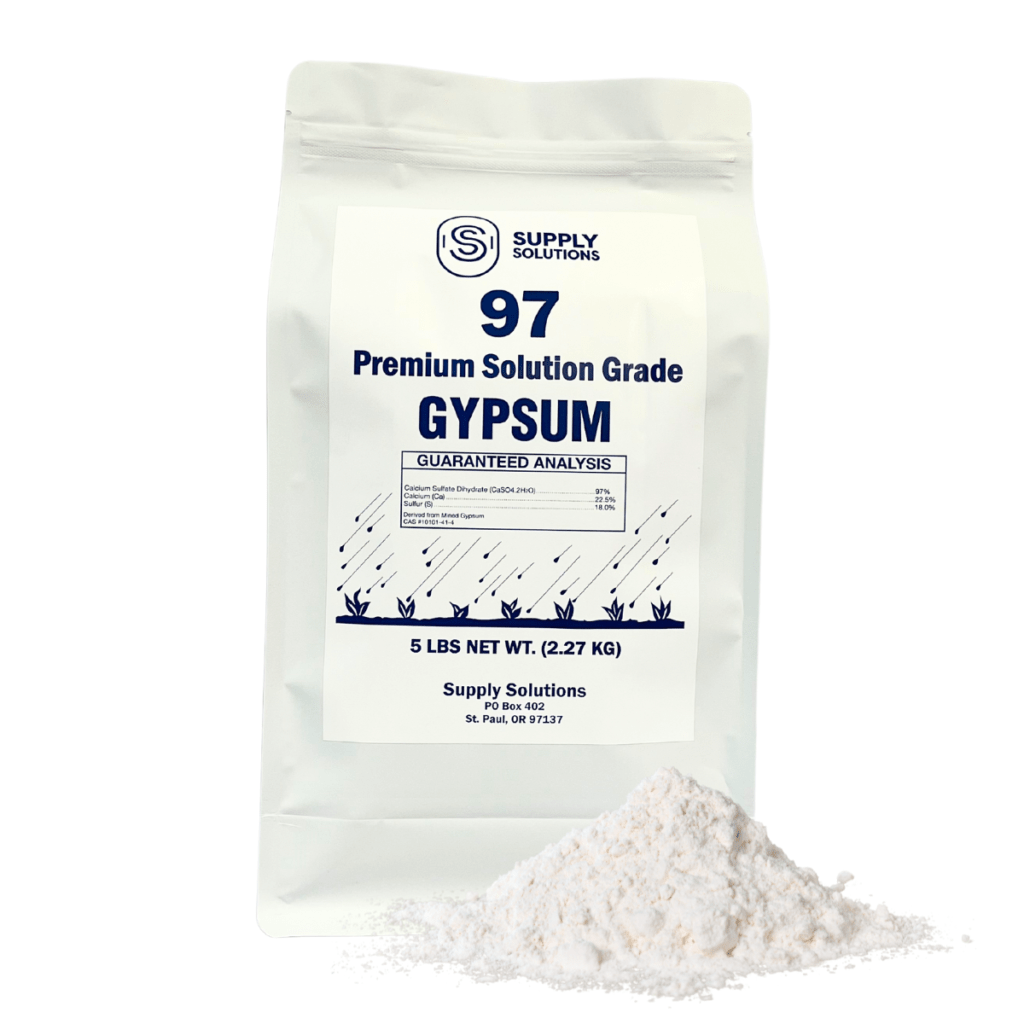
Now that we’ve discussed the benefits and the timing of applying Gypsum Soil Acidifier Calcium, let’s break down the steps for effective application.
Before applying Gypsum, it’s essential to assess the pH and texture of your soil. A simple soil test kit can help you determine the pH level. If your soil is acidic or alkaline, you can measure the extent of the imbalance and make informed decisions about the amount of Gypsum needed.
Gypsum is generally applied at a rate of about 50 to 100 pounds per 1,000 square feet for soil improvement. However, if you are specifically targeting soil acidification, you may want to refer to the product instructions for specific rates based on your soil test results.
Clear the planting area of any debris, weeds, or old plant material. This prepares a clean canvas for application, allowing for more efficient absorption of the Gypsum.
After applying Gypsum Soil Acidifier Calcium, it’s essential to monitor the conditions of your soil. A follow-up soil test later in the season will help you understand how the pH levels have changed and if additional amendments are necessary.
As you prepare your soil with Gypsum, consider what plants you want to cultivate in your garden. Some plants thrive best in soil enriched with additional calcium. Consider adding vegetables such as tomatoes, peppers, and broccoli, or flowering plants like marigolds and zinnias that will benefit from your well-prepared soil.
Utilizing Gypsum Soil Acidifier Calcium during early spring prepares your garden for a bountiful growing season. Not only will you improve soil health, but you’ll also set the stage for your plants to flourish, creating a thriving and vibrant garden. Remember, successful gardening is not just about planting seeds; it’s about nurturing the soil where those seeds will grow.
So grab your garden tools, and let the transformation begin! Your plants will thank you throughout the season, sprouting strong and healthy, ready to produce a harvest that will yield pride and joy.
Embrace the spring with the wonders of Gypsum Soil Acidifier Calcium, and watch as your garden thrives beautifully throughout the entire season! Happy gardening!
An orchard can look finished after the bins leave the row. The crop is harvested, irrigation demand begins to decline, and the urgency of the

The berry harvest may be winding down, but the plants are not finished working. After fruit is removed, healthy leaves continue capturing sunlight. Roots continue