
Uncategorized
Late-Summer Orchard Nutrition: Use Leaf Analysis Before Adding More Fertilizer
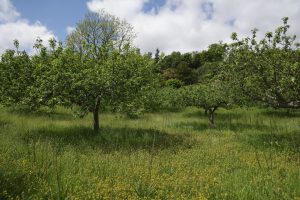
An orchard can look finished after the bins leave the row. The crop is harvested, irrigation demand begins to decline, and the urgency of the

Spring is a season of transformation, a critical time for soil management and plant growth. As the end of spring approaches, it presents a unique opportunity to address lingering soil challenges, prepare for the heat of summer, and ensure that plants thrive during the peak growing season. One of the most effective tools to achieve this is gypsum soil acidifier.
In this comprehensive guide, we’ll explore the benefits of using gypsum at the end of spring, how it supports soil and plant health, and the best practices for application. By integrating gypsum into your late-spring soil management routine, you can set the stage for a bountiful harvest and long-lasting soil fertility.
Gypsum, or calcium sulfate dihydrate (CaSO₄·2H₂O), is a naturally occurring mineral that provides two essential nutrients:
Unlike lime, gypsum does not significantly alter soil pH, making it an ideal amendment for soils that require calcium and sulfur without affecting their acidity
Applying gypsum at the end of spring offers several strategic advantages for both soil health and plant development as the growing season transitions into summer.
As spring transitions to summer, soil often becomes compacted due to increased foot traffic, irrigation, and natural settling. Compacted soil reduces water infiltration and root penetration, leading to poor plant growth. Gypsum helps to:
By enhancing soil structure at the end of spring, gypsum prepares the soil to withstand the challenges of summer heat and drought.
Many plants experience rapid growth in late spring and early summer, which increases their demand for calcium and sulfur. Gypsum acts as a slow-release source of these nutrients, ensuring a consistent supply throughout the growing season. Benefits include:
In regions with high evapotranspiration rates during summer, salts can accumulate in the soil, leading to salinity issues that hinder plant growth. Gypsum helps to:
Applying gypsum at the end of spring ensures that soil salinity is managed before the summer heat exacerbates the problem.
Late spring rains, followed by dry conditions, often lead to soil crusting, which limits water infiltration and seedling emergence. Gypsum reduces soil crust formation by:
Before applying gypsum, it’s essential to conduct a soil test to determine the specific needs of your soil. Look for:
The appropriate application rate for gypsum varies depending on soil conditions and crop requirements. General guidelines include:
Consult with an agronomist or follow the manufacturer’s recommendations for precise application rates
Gypsum can be applied using various methods, depending on your soil type and crop system:
After applying gypsum, monitor soil health and plant performance throughout the growing season. Look for:
Repeat gypsum applications as needed to maintain soil health and fertility.
Using gypsum soil acidifier at the end of spring is a strategic move that prepares your soil for the challenges of summer. By improving soil structure, providing essential nutrients, mitigating salinity, and reducing erosion, gypsum supports healthy, productive plants throughout the growing season.
If you’re ready to enhance your soil health and boost plant growth, consider adding gypsum to your late-spring soil management routine. Visit My Solution Supply to learn more about high-quality gypsum products and how they can transform your soil. Your plants—and your harvest—will thank you!
An orchard can look finished after the bins leave the row. The crop is harvested, irrigation demand begins to decline, and the urgency of the

The berry harvest may be winding down, but the plants are not finished working. After fruit is removed, healthy leaves continue capturing sunlight. Roots continue
Give us a call or visit our store, and we’ll help you find the right solution for your business.