

Uncategorized
June Flower Beds: Holding Color Through Heat Without Overfeeding
June flower beds can look strong at the start of the month and tired by the end of it. That is common in both home
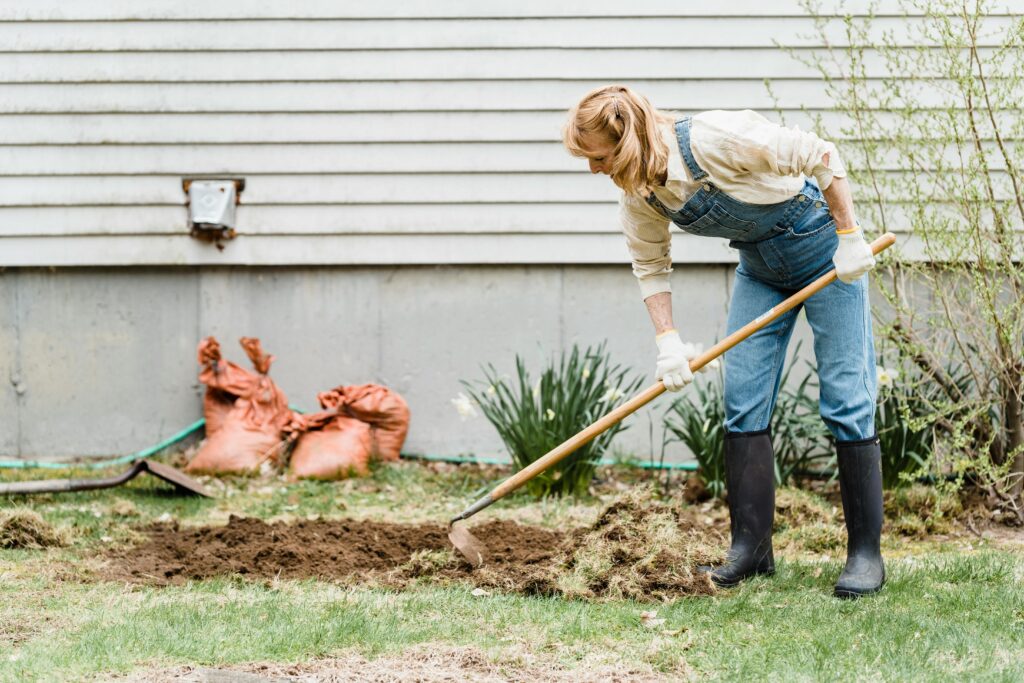
Proper fertilizer timing is critical for optimizing plant growth, nutrient uptake, and overall yield. Whether using urea (46-0-0), ammonium sulfate (21-0-0-24S), or blended fertilizers, applying them at the right time can significantly increase efficiency and prevent nutrient loss.
This guide explores the best times to apply fertilizers for different crops, the impact of seasonal timing, and strategies to maximize nutrient use.
✔ Prevents Nutrient Loss – Avoids volatilization, leaching, and runoff. ✔ Maximizes Nutrient Uptake – Ensures plants receive nutrients when they need them most. ✔ Reduces Fertilizer Waste – Helps optimize application rates and fertilizer efficiency. ✔ Improves Crop Yields – Supports strong root, leaf, and fruit development.
✔ Purpose: Supplies nutrients before seeds or transplants go into the soil.
✔ Best for: Grains, vegetables, fruit trees, lawns.
✔ Recommended Fertilizers:
✔ Application Tip: Incorporate into the soil 2–4 weeks before planting.
✔ Purpose: Encourages strong leaf, stem, and root growth.
✔ Best for: Leafy vegetables, cereals, legumes, and lawns.
✔ Recommended Fertilizers:
✔ Application Tip: Apply after seed germination or transplanting, and water immediately.
✔ Purpose: Prepares plants for flowering and fruit production.
✔ Best for: Tomatoes, peppers, corn, and fruit trees.
✔ Recommended Fertilizers:
✔ Application Tip: Apply just before flowering for maximum uptake.
✔ Purpose: Strengthens plants for winter survival and next season’s growth.
✔ Best for: Perennials, fruit trees, and lawns.
✔ Recommended Fertilizers:
✔ Application Tip: Apply 1 month before dormancy to help plants store energy.
| Season | Best Fertilizer Type | Best Crops & Plants | Application Tips |
|---|---|---|---|
| Spring | Urea, Ammonium Sulfate | Lawns, Vegetables, Corn | Apply nitrogen-rich fertilizers early in the season. |
| Summer | Balanced NPK, Potassium | Fruits, Tomatoes, Flowers | Use slow-release or split applications to avoid nutrient runoff. |
| Fall | Phosphorus, Potassium, Organic Matter | Trees, Perennials, Lawns | Prepares plants for winter dormancy and root storage. |
| Winter | Minimal Fertilization | Cover Crops | Use compost or low-nitrogen amendments only. |
✔ Apply Before Rain or Irrigation – Prevents nutrient loss from volatilization.
✔ Use Split Applications – Spreads fertilizer use across different growth stages for better efficiency.
✔ Follow Soil Test Recommendations – Ensures fertilizer is applied only when needed.
✔ Monitor Plant Growth Responses – Adjust application frequency based on crop demand.
✔ Timing is essential for maximizing fertilizer efficiency and promoting healthy plant growth.
✔ Apply fertilizers based on crop growth stages and seasonal needs.
✔ Use split applications and proper watering techniques to prevent nutrient loss.
✔ Always follow soil test recommendations for optimal fertilizer use.
June flower beds can look strong at the start of the month and tired by the end of it. That is common in both home
June is an important month for fruit trees and berries because the crop is no longer just setting. It is sizing. Apples, pears, peaches, plums,
Give us a call or visit our store, and we’ll help you find the right solution for your business.
© Supply Solutions LLC 2026