

Uncategorized
What To Review Before Moving Into July Fertility Management
Late June is a useful moment to slow down and look at the whole growing system. By now, the season has enough history to teach

Lawn care conversations usually revolve around one thing—what to put on the grass. But the truth is, the health of your lawn starts not with the blades, but with the soil underneath. That’s why any serious lawn or garden strategy should prioritize soil health from the ground up. When soil is rich in nutrients, teeming with microbes, and structurally sound, the grass above it grows stronger, thicker, and more resilient. But feeding your soil isn’t just about dumping compost or mulch. It requires a scientifically balanced approach to nutrition—and that’s exactly what Triple 10 Liquid Fertilizer with Micronutrients delivers.
At first glance, Triple 10 might seem like a lawn fertilizer designed just for visible results—greener color, faster growth, and improved density. And while it certainly delivers those benefits, its real magic lies in how it interacts with soil systems. A 10-10-10 formula provides equal parts nitrogen, phosphorus, and potassium, which are not only essential to plant health but also crucial to creating a fertile, balanced soil environment. Paired with the product’s suite of micronutrients, Triple 10 becomes an effective soil-conditioning tool, helping to reverse compaction, correct deficiencies, and activate dormant microbial communities.
Soil is not just dirt. It is a living, breathing ecosystem that contains billions of organisms—from bacteria and fungi to worms and beneficial nematodes. These organisms break down organic matter, cycle nutrients, suppress disease, and help build soil structure. But when soil is starved of nutrients, especially micronutrients like iron, zinc, and manganese, microbial activity slows. The result? Soil that is lifeless, compacted, and unable to support strong turf or plant growth. Triple 10 rejuvenates these conditions by reintroducing a complete nutrient profile in an immediately available liquid form.
The nitrogen in Triple 10 plays a key role in microbial reproduction and organic matter decomposition. Without nitrogen, soil bacteria become sluggish, reducing the rate at which nutrients are cycled. With consistent, controlled nitrogen input from Triple 10, microbial activity accelerates, leading to faster breakdown of thatch, improved humus formation, and more efficient uptake of all nutrients.
Phosphorus supports root development, which indirectly enhances soil health by increasing organic exudates—natural sugars and acids secreted by roots that feed beneficial fungi and bacteria. More robust root systems lead to increased biological diversity in the rhizosphere, which is the thin zone of soil around each root. A lawn or garden with active root exudates can host thousands more beneficial organisms per square inch than poorly rooted systems. With Triple 10’s consistent phosphorus supply, you support not only roots but the life that keeps your soil functioning.
Potassium, meanwhile, helps plants regulate internal water pressure and protein synthesis. But in soil, potassium has a different role. It works in conjunction with calcium and magnesium to maintain the structure of soil particles. Soils high in sodium or low in potassium often collapse into compacted masses, especially after drought or flooding. Triple 10 helps restore this balance, especially in clay-heavy or sandy soils, making the ground more crumbly and easier for roots to penetrate.
Then there’s the overlooked but essential benefit of micronutrients. Triple 10 contains iron, manganese, zinc, copper, and boron—all of which are vital for soil biochemistry. Iron activates enzymes used by microbes and plants alike. Manganese helps in nitrogen metabolism, while zinc and boron influence the behavior of plant hormones that regulate root expansion and flower formation. When these nutrients are absent or deficient, biological activity in the soil slows dramatically, even when NPK levels are high.
For homeowners using compost or organic fertilizers, Triple 10 enhances the effectiveness of those inputs. Compost can take months to break down into usable forms, especially if it’s not well-balanced. Triple 10 bridges the gap by providing immediate nutrition while the compost decomposes in the background. It also stimulates microbial populations that speed up compost mineralization, making it more available to plants faster.
Soil structure is another key area where Triple 10 makes a difference. Healthy soil has good “tilth”—a term that refers to how well soil particles stick together in small, stable aggregates. These aggregates allow air and water to move freely, promoting healthy root development. Poor tilth means compaction, poor drainage, and root dieback. By supporting root health with phosphorus and boosting microbial activity with nitrogen and micronutrients, Triple 10 indirectly improves soil structure with each application.
Triple 10 also addresses nutrient lockout, which occurs when essential minerals are present in the soil but chemically inaccessible due to pH imbalance or poor microbial activity. For example, iron and manganese become unavailable in high-pH soils, causing yellowing or stunted growth even when the minerals are present. Because Triple 10 is a chelated liquid, its nutrients remain available across a broader pH range, allowing plants to absorb what they need more efficiently.
The liquid formulation itself is a major benefit to soil health. Unlike granular fertilizers, which can create “hotspots” of concentrated salts, liquid Triple 10 distributes nutrients evenly across the root zone. This means fewer salt burns, better absorption, and less disruption to soil organisms. It also minimizes the risk of nutrient runoff, which is a major concern in sloped or poorly drained landscapes.
One of the most common signs of poor soil health is patchy lawn performance. You may have one area that’s thriving while another remains thin and discolored. These differences are often due to underlying soil inconsistencies—pH, compaction, nutrient availability, or microbial populations. Because Triple 10 Liquid Fertilizer with Micronutrients addresses all of these issues at once, it creates more consistent soil conditions across your lawn, reducing problem zones and improving overall appearance.
Regular application of Triple 10 also increases the soil’s cation exchange capacity (CEC), a measure of how well soil can retain nutrients. Higher CEC means more nutrients stay in the root zone rather than leaching away. While CEC is influenced by organic matter and clay content, it is also improved by regular feeding with balanced, micronutrient-rich inputs like Triple 10.
Homeowners who deal with lawn thatch—those dead layers of grass and organic matter that build up on the soil surface—can benefit from Triple 10’s support of microbial activity. A healthy soil microbe population helps break down thatch naturally, eliminating the need for mechanical dethatching in many cases. This microbial breakdown process also releases nutrients back into the soil, creating a self-sustaining fertility loop that supports greener grass without extra inputs.
One of the most compelling reasons to use Triple 10 is its ability to support sustainable lawn care. As homeowners become more aware of water use, chemical runoff, and the environmental impact of traditional lawn practices, they’re seeking fertilizers that perform without compromising long-term soil integrity. Triple 10 delivers that balance. By focusing on both plant and soil health, it ensures that lawns remain vibrant and green, but also rooted in a system that can sustain itself year after year.
To implement Triple 10 into your soil improvement strategy, apply it every 3–4 weeks during the growing season. Adjust the frequency depending on your lawn’s response, current weather conditions, and whether you’re pairing it with compost, mulch, or organic matter. For extremely poor or compacted soils, consider a double application during the early stages of your program, followed by regular maintenance doses.
Even better results can be achieved by starting your program with a soil test. Testing tells you where your current nutrient levels stand, identifies deficiencies, and helps you understand whether your soil pH is too acidic or too alkaline. Once you have this baseline, Triple 10 becomes a precise tool—either correcting or maintaining balance depending on what the data reveals. Supply Solutions LLC can assist you with interpreting soil test results and building a tailored feeding schedule for your specific conditions.
When applied properly, Triple 10 begins transforming your soil within days. You’ll start to see faster turf recovery, more consistent greening, and less reliance on irrigation. Over time, your soil will become looser, darker, and more biologically active—the hallmarks of long-term lawn success.
What sets Triple 10 apart isn’t just what’s in the bottle. It’s how it was formulated—to work with the soil, not just on the surface. Whether you’re dealing with years of compaction, patchy growth, poor water retention, or a history of over-fertilization, Triple 10 offers a reset button. It gives your lawn a clean slate to build from and creates an environment where grass, roots, and microbes all work together to produce the thick, green lawn you’ve always wanted.
For homeowners looking to invest in more than just superficial lawn care, Triple 10 is the solution. It supports healthy plants by building healthy soil. And that’s where truly beautiful landscapes begin.
For guidance on integrating Triple 10 into your lawn and soil care program, reach out to Supply Solutions LLC today. You can use our contact form, connect with us on our Facebook page, call us at 503-451-1622, or email sales@mysolutionssupply.com. We’re here to help you grow a better lawn—starting from the soil up.
Late June is a useful moment to slow down and look at the whole growing system. By now, the season has enough history to teach
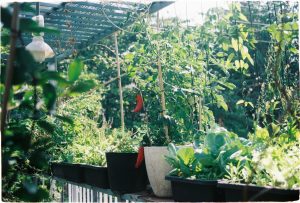
Late June is when lawns start showing the truth about summer management. A lawn may have looked strong in May. It may have greened up
Give us a call or visit our store, and we’ll help you find the right solution for your business.
© Supply Solutions LLC 2026