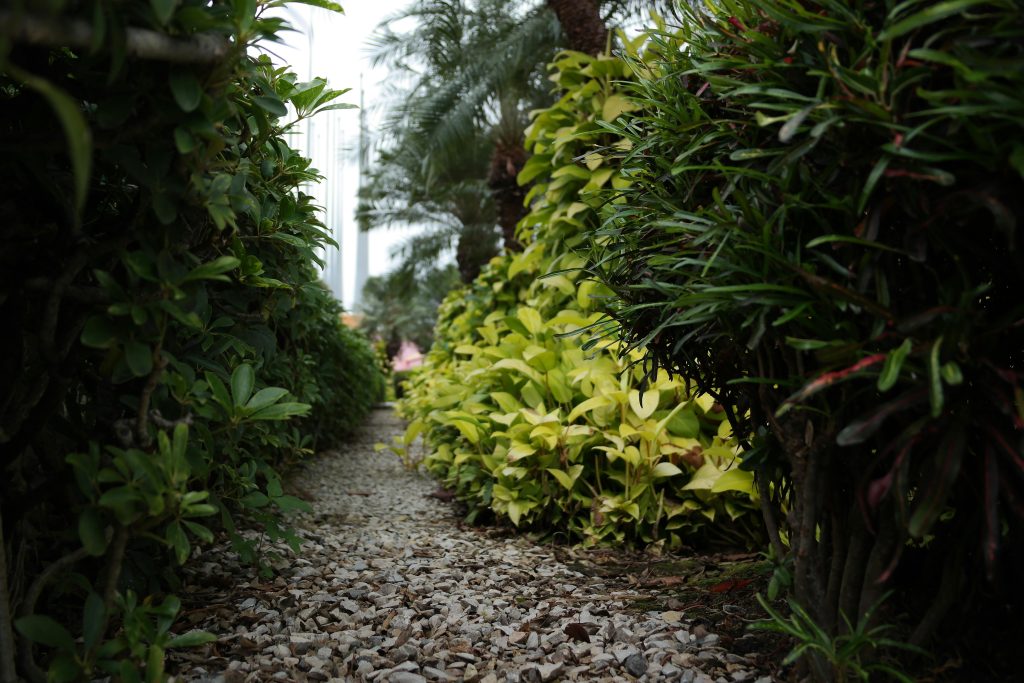
As cold weather approaches, shrubs and trees across both residential and commercial landscapes prepare for dormancy. But without the right nutrition and timing, many of these plants will not withstand the full weight of winter. The result? Browning, dieback, brittle limbs, disease outbreaks, and delayed spring recovery.
The solution lies in fortifying your soil with potassium—specifically through a targeted application of Muriate of Potash (0-0-60). This essential amendment does more than feed plants. It activates their internal defense systems, toughens their tissues, and enhances water management at the cellular level.
In this blog, we explore why Muriate of Potash is one of the smartest investments you can make during the transition to winter—and how to apply it for maximum protection and performance in trees and shrubs.
What Is Muriate of Potash and Why Is It So Effective?
Muriate of Potash, also called potassium chloride (KCl), is the most concentrated and widely available form of potassium fertilizer. It contains 60% K₂O, making it one of the most cost-effective ways to elevate soil potassium levels before winter sets in.
You can buy high-quality Muriate of Potash from Supply Solutions here:
Supply Solutions Muriate of Potash (0-0-60)
Unlike nitrogen, which encourages active growth, potassium prepares plants for survival. It doesn’t just improve aesthetics—it strengthens internal structures, metabolic pathways, and protective responses that make the difference between a tree that thrives after winter and one that struggles or dies back.
Key Benefits for Shrubs and Trees Before Winter
1. Enhanced Cell Wall Strength
Potassium supports lignin production in woody plants, which is essential for thickening and reinforcing cell walls. This cellular hardening improves structural resistance against wind, freeze-thaw cycles, and mechanical damage from snow accumulation.
2. Disease Resistance
A strong potassium supply has been proven to improve resistance to many common fungal and bacterial pathogens, especially those that exploit weakened tissue during dormancy. It helps shrubs and trees ward off issues like:
- Canker diseases
- Root rot
- Twig blight
- Leaf spot carryovers
Potassium achieves this by facilitating the rapid synthesis of defensive compounds and cell wall reinforcements that prevent pathogen penetration.
3. Moisture Management and Anti-Desiccation
One of the most underrated winter killers is desiccation, especially in evergreens. When soil moisture is frozen and winds are dry, plants lose water from their leaves faster than they can replace it. Potassium regulates stomatal function, allowing plants to better conserve water and avoid winter burn.
Trees such as arborvitae, pine, juniper, boxwood, holly, and rhododendron benefit significantly from this boost in water efficiency.
What the Research Says
Several university extension studies highlight potassium’s impact on winter survival:
- The University of Wisconsin Extension identifies potassium as essential in preventing winter injury and increasing disease tolerance in woody ornamentals.
- Ohio State University research shows that pre-winter applications of potash reduce susceptibility to snow mold and crown rot in shrubs and landscape trees.
- The University of Georgia Extension emphasizes potassium’s role in cellular osmoregulation, which is critical for frost tolerance and moisture balance.
These findings reinforce what generations of landscape professionals have seen in practice: potassium is a pillar of cold-weather plant health.
When and How to Apply Muriate of Potash for Winter Prep
The ideal time to apply potash for trees and shrubs is mid to late fall, before the first hard freeze. Here’s a simple step-by-step guide:
- Calculate the correct rate. Most mature shrubs and trees benefit from 1 to 2 pounds of actual potassium (K₂O) per 1,000 square feet of root zone. With MOP being 60% K₂O, this equates to 1.7 to 3.3 pounds of product per 1,000 square feet.
- Broadcast the product. Spread the granules around the dripline of each shrub or tree—not at the trunk. This ensures root uptake and prevents burn.
- Water it in. Apply the product before rainfall or irrigate lightly to help nutrients reach the root zone.
- Avoid combining with high nitrogen. This time of year, your goal is not to encourage growth but to reinforce resilience. Use low-nitrogen blends if combining with other products.
Synergistic Blends for Full Winter Protection
Muriate of Potash pairs well with other balanced fertilizers, particularly when potassium levels are disproportionately low. If your shrubs or trees also need phosphorus or a trace of nitrogen, consider blending with:
Just ensure that the total nitrogen does not exceed 1 pound per 1,000 square feet, especially in late fall. Avoiding overstimulation of top growth is critical.
Visual Signs of Potassium Deficiency
If your trees or shrubs show any of the following signs heading into fall, potassium is likely lacking:
- Marginal leaf scorch or browning (especially in evergreens)
- Premature leaf drop or discoloration
- Poor branch strength or dieback
- Weak bud formation or thin canopies
- Increased pest or disease problems in the prior season
Don’t rely on guesswork—a soil test is highly recommended, especially in professionally managed properties or newly installed landscapes.
Environmental Safety and Sustainability
Potassium chloride is safe when used correctly. However, here are best practices to avoid environmental impact:
- Do not over-apply—more is not better and can leach into groundwater
- Sweep up any granules that land on pavement or driveways
- Do not apply within 10 feet of water bodies
- Avoid application on frozen ground
If applying near sensitive plantings (e.g., blueberries or azaleas), test for chloride sensitivity. Muriate of Potash may be substituted with sulfate of potash in these rare cases.
Before the Snow Falls: Make the Move
Winter can be devastating to unprepared trees and shrubs. Even if they survive, their spring performance will be slow, uneven, and prone to pest and disease flare-ups. By proactively applying Muriate of Potash now, you’re not just feeding plants—you’re reinforcing their biological armor.
Give your landscape the defense it deserves. Order Muriate of Potash today and apply before the ground freezes. You can find premium-grade product here:
Supply Solutions Muriate of Potash (0-0-60)
For application advice, product questions, or soil test support, reach out through our contact form at Supply Solutions LLC, message us on Facebook, call 503-451-1622, or email sales@mysolutionssupply.com. Our team is standing by to help you winterize with confidence.