
Uncategorized
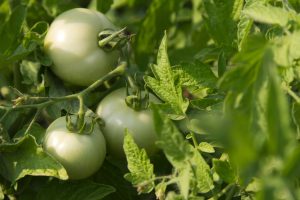
Tomatoes and Peppers in August: Why More Nitrogen Can Mean Fewer Fruits
By August, tomatoes and peppers have usually reached a very different stage from the plants gardeners were managing in May or June. The root systems
As the growing season fades and the first signs of fall set in, many homeowners and landscapers start winding down their garden maintenance routines. But this is actually a critical period to prepare your trees, shrubs, and lawns for winter. With the right strategy and late-season fertilizer applications, you can strengthen root systems, build nutrient reserves, and help your landscape survive and thrive through the cold months ahead.
This blog will explore how to properly time, apply, and choose fertilizers for late fall use, while explaining why this period is one of the most important windows for feeding your perennials, woody plants, and cool-season turfgrass. You’ll also learn about product options that deliver targeted nutrition during this transition—especially Supply Solutions’ 10-10-10 Complete Lawn & Garden Granular Fertilizer with Micronutrients and Muriate of Potash (0-0-60), two reliable fall staples.
While spring and early summer often get the most attention when it comes to feeding your landscape, fall fertilization—especially from late September through early November—offers an unmatched opportunity to deliver nutrients without encouraging excessive top growth. Why? Because during this period, plants naturally redirect energy underground. Photosynthesis continues, but new leaf and shoot development slows. That means more energy goes toward:
Applying fertilizer at this stage, particularly those rich in potassium and balanced nutrients, amplifies these natural processes. In fact, trees and shrubs that receive late-season feeding tend to emerge stronger, greener, and more resilient come spring.
Cool-season grasses like Kentucky bluegrass, fescue, and ryegrass benefit tremendously from late fall feeding. While growth above ground slows, root development remains active well into the fall. Applying a granular fertilizer like Supply Solutions 10-10-10 with Micronutrients can:
Woody ornamentals use the fall to build nutrient reserves in stems and roots. A well-timed feeding supports:
Avoid nitrogen-heavy formulas for trees and shrubs too late in the season. Instead, look for a balanced fertilizer like 10-10-10 or a potassium-focused blend such as Muriate of Potash 0-0-60, which enhances stress tolerance.
Plants like hostas, daylilies, asparagus, rhubarb, and fruit trees also benefit from a fall nutrient boost. Feeding them now supports:
Avoid overfeeding with nitrogen, but do not skip the opportunity to support these perennials with balanced NPK and micronutrients.
The best time to apply fall fertilizer is once the top growth of plants slows, but while the soil is still warm enough for root activity. In most regions, this means:
Here are some proven best practices:
This balanced formula provides:
Ideal for turf, shrubs, perennials, and even fall vegetable gardens. The micronutrients ensure no hidden deficiencies linger over the winter.
With 60% potassium content, this is the perfect stress-fighter. Use it:
It works especially well on sandy or potassium-deficient soils and can dramatically improve plant survival in harsh winters.
Catching and correcting deficiencies now can mean the difference between survival and winter kill. Watch for:
A soil test can be valuable, but when in doubt, using a balanced fertilizer with micronutrients covers the broadest base.
Let’s address some misunderstandings that prevent growers from maximizing fall fertility:
Myth 1: Fertilizing in fall causes frost damage.
Reality: Using a balanced or potassium-rich fertilizer encourages root growth and dormancy, not tender new shoots.
Myth 2: Plants don’t absorb nutrients in fall.
Reality: Roots are still active as long as soil temps remain above 40°F. In many regions, this includes much of October and November.
Myth 3: Fall fertilizer isn’t needed if you fed in spring.
Reality: Spring growth depletes nutrients. Fall replenishment sets the stage for better overwintering and spring response.
Here’s how to build your own late-season feeding plan using Supply Solutions’ products:
Step 1: Evaluate the landscape.
Take note of what needs feeding. Include turf, ornamental beds, tree lines, and edible perennials.
Step 2: Choose the right product.
Use 10-10-10 with Micronutrients for general-purpose coverage, or 0-0-60 Muriate of Potash for potassium-specific boosting.
Step 3: Apply by mid-fall.
Follow label rates and spread evenly using a broadcast or drop spreader. Apply before heavy frosts arrive.
Step 4: Water in well.
Use irrigation or time applications just before rainfall.
Step 5: Monitor and adjust.
Make notes on how your landscape responds in spring. Adjust next year’s fall program based on results.
Late-season fertilization is one of the most strategic actions you can take to ensure a healthy spring emergence for your lawn, trees, and perennial plantings. Rather than seeing fall as the end of the gardening year, consider it your foundation for next season’s success.
If you’re ready to winterize your landscape with high-performing, professionally formulated fertilizers, Supply Solutions LLC is your go-to source.
You can reach us through our contact form, message us on Facebook, call 503-451-1622, or email sales@mysolutionssupply.com for help choosing the right fertilizer for your needs.
By August, tomatoes and peppers have usually reached a very different stage from the plants gardeners were managing in May or June. The root systems

Late summer can be one of the most confusing times to fertilize warm-season turf. Bermudagrass, zoysiagrass, and St. Augustinegrass may still be green and actively
Give us a call or visit our store, and we’ll help you find the right solution for your business.