
Uncategorized
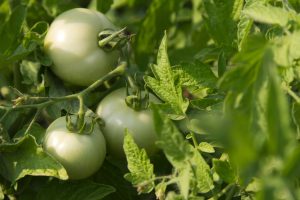
Tomatoes and Peppers in August: Why More Nitrogen Can Mean Fewer Fruits
By August, tomatoes and peppers have usually reached a very different stage from the plants gardeners were managing in May or June. The root systems
As the growing season enters its final chapter, many plants begin showing signs of fatigue—smaller fruit, slower maturity, and weakened resistance to cold. While some growers attribute this to natural decline, seasoned professionals know the issue often stems from potassium deficiency. One of the most efficient ways to correct this, especially in fall, is by applying muriate of potash.
Also known as potassium chloride (KCl), muriate of potash is a concentrated, fast-acting form of potassium that delivers this critical nutrient when plants need it most. Fall is a prime opportunity to apply it because it feeds maturing fruit and root crops, enhances sugar production, and sets the foundation for overwintering health and spring growth.
In this article, we’ll explore how potassium influences fall crop performance, what makes Supply Solutions Muriate of Potash (0-0-60) a powerful nutrient tool, and how you can integrate it into your fertility program with precision and confidence.
Muriate of potash is the most widely used potassium fertilizer in the world. It contains 60% potassium (K₂O) and is typically applied to both field and specialty crops. It is also referred to by its chemical name, potassium chloride, due to its composition of potassium and chlorine atoms.
Because of its high potassium content and quick release, muriate of potash is highly efficient for building soil potassium reserves, especially in nutrient-exhausted fields following a heavy crop cycle. Its granular form makes it ideal for broad-acre applications as well as targeted garden treatments.
According to North Dakota State University Extension, muriate of potash is best used when soil testing confirms a moderate to low potassium level and when crop demand is high in the late season.
Potassium plays a key role in plant physiology, especially in the fall when energy is redirected into fruit and root development. Unlike nitrogen, which stimulates green tissue growth, potassium focuses on strengthening the internal systems of the plant.
Benefits of adequate potassium in fall include:
Fall is the final window to provide this support before plant metabolism slows or enters dormancy. Muriate of potash delivers a powerful potassium boost exactly when it counts.
Muriate of potash benefits a wide variety of crops, especially those with high potassium needs or long growing seasons. In fall, the following crops show measurable gains when KCl is applied:
In cool-season turf and overwintering cereals, potassium also reduces the risk of snow mold and other fungal diseases.
Applying potassium in fall allows the nutrient to move into the root zone before the ground freezes. It also helps replenish reserves that have been depleted by heavy summer feeding and harvesting.
Additional fall-specific advantages include:
Applying now ensures potassium is available as soon as the plant resumes metabolic activity in spring. It also gives the nutrient time to bond with soil particles, especially in sandy or leaching-prone soils.
Supply Solutions Muriate of Potash (0-0-60) is a high-purity, uniform-grade product that spreads easily and dissolves predictably. It is compatible with most fall fertility plans and can be applied by hand, drop spreader, broadcast, or incorporated into tillage systems.
Apply evenly and water in if rainfall is not expected. Avoid direct contact with plant stems or roots to prevent burn, especially at higher rates.
Because muriate of potash contains chloride, it should not be used on chloride-sensitive crops unless soil testing confirms safe levels. These crops include:
If chloride sensitivity is a concern, consider switching to a sulfate of potash (SOP) alternative such as Diamond K Potassium Sulfate.
Muriate of potash can be blended with phosphorus, sulfur, or micronutrients but should be applied separately from urea or ammonium nitrate if volatilization is a concern.
Studies from multiple land-grant universities confirm the value of fall potassium in crop and soil management:
These findings reinforce what many growers already experience—fall-applied potash builds yield potential from the ground up.
Potassium does not leach as readily as nitrogen, but over time, it can become stratified in no-till or reduced-till systems. Fall applications help redistribute potassium more evenly in the soil profile.
Potash also:
To maximize these benefits, consider applying potassium after tillage or as part of a two-step soil fertility plan that includes a spring top-dress or foliar potassium application as needed.
Healthy soil holds nutrients more efficiently and makes every dollar you spend on fertilizer go further.
Muriate of potash is one of the most efficient ways to deliver strength, stability, and resilience to your crops—right when they need it most.
Have questions about application timing, rates, or compatibility with your specific crops? Reach us through our contact form, message us on Facebook, call 503-451-1622, or email sales@mysolutionssupply.com. Supply Solutions LLC is here to help anytime, any day.
By August, tomatoes and peppers have usually reached a very different stage from the plants gardeners were managing in May or June. The root systems

Late summer can be one of the most confusing times to fertilize warm-season turf. Bermudagrass, zoysiagrass, and St. Augustinegrass may still be green and actively
Give us a call or visit our store, and we’ll help you find the right solution for your business.