
Uncategorized
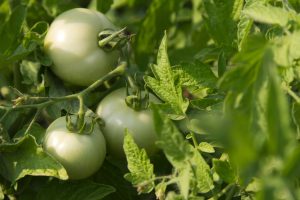
Tomatoes and Peppers in August: Why More Nitrogen Can Mean Fewer Fruits
By August, tomatoes and peppers have usually reached a very different stage from the plants gardeners were managing in May or June. The root systems

Every successful growing season begins with a strong foundation, and that foundation is built on healthy, nutrient-rich soil. No matter the size of your operation—whether you are a homeowner maintaining a backyard garden, a landscaper managing turf and ornamentals, or a farmer cultivating hundreds of acres—the same principle holds true: plants perform best when they have exactly what they need, at the right time, and in the right amounts. That’s where the combination of soil testing and fertigation comes in. Together, these practices create a powerful strategy for ensuring your crops, lawns, and landscapes launch into the season with maximum strength.
Soil testing is the diagnostic tool of modern agriculture. Just as a doctor runs bloodwork to understand a patient’s health, a soil test reveals the condition of your growing medium. It measures pH, macronutrient levels, micronutrient availability, and organic matter content. Without this information, applying fertilizer becomes guesswork—sometimes too much, sometimes too little, and often missing critical deficiencies.
The benefits of soil testing include:
Many homeowners and professionals skip soil testing because they assume a “general-purpose” fertilizer will cover all needs. While products like 10-10-10 Complete Lawn and Garden Fertilizer with Micronutrients provide broad coverage, knowing your soil’s actual deficiencies allows you to fine-tune your fertilization program for maximum impact.
Fertigation is the process of delivering nutrients through irrigation water. This practice combines fertilization and watering into a single, efficient system. Farmers often use fertigation through drip or sprinkler systems, while greenhouse growers and even residential landscapes can benefit from smaller-scale versions.
The advantages of fertigation include:
By pairing soil testing with fertigation, you align two powerful tools: data-driven planning and precise application.
Using soil testing alone gives you a snapshot of what your soil contains. Fertigation alone delivers nutrients efficiently. But when combined, these practices ensure every application is targeted and effective. For example, if a soil test reveals low potassium, you can address the issue quickly with a fertigation program that includes Muriate of Potash 0-0-60 or another potassium-rich source. If calcium deficiencies show up, fertigation with Calcium Nitrate 15.5-0-0 ensures plants receive this essential nutrient directly in their water supply.
Together, these practices create a cycle of observation, adjustment, and improvement:
This cycle is what leads to consistently strong season kickoffs and reliable harvests or landscape performance.
Homeowners often struggle with uneven lawn growth, patchy vegetable production, or flowers that don’t bloom as expected. Combining soil testing and fertigation addresses these problems at the root.
The result is greener lawns, higher-yielding gardens, and less wasted money on products that don’t match soil needs.
On a larger scale, farms and landscaping companies see even more dramatic benefits. Soil testing across fields identifies nutrient imbalances at scale, while fertigation systems apply corrections with precision.
By eliminating guesswork and streamlining applications, these businesses improve efficiency, profitability, and customer satisfaction.
Several fertilizers from Supply Solutions LLC are ideal for fertigation programs:
This combination does more than kickstart a single season. Over time, it leads to:
By adopting this approach, both B2C and B2B customers create a cycle of consistent improvement in plant health and soil quality.
A strong season kickoff starts with knowledge and precision. Soil testing provides the data you need, and fertigation delivers the nutrients exactly where and when they are needed. Together, they form a strategy that ensures your plants thrive, your soil improves, and your investment pays off year after year. Whether you are applying Calcium Nitrate 15.5-0-0 to strengthen vegetable crops, Muriate of Potash 0-0-60 to build turf resilience, or 10-10-10 Fertilizer with Micronutrients to keep home gardens balanced, the combination of soil testing and fertigation ensures you start every season strong.
Visit Supply Solutions LLC to explore fertilizers designed for both homeowners and professional growers. To get in touch, reach us through our contact form, message us on Facebook, call 503-451-1622, or email sales@mysolutionssupply.com today. By combining soil testing and fertigation, you’ll never have to guess again—you’ll know your plants are getting exactly what they need for success.
By August, tomatoes and peppers have usually reached a very different stage from the plants gardeners were managing in May or June. The root systems

Late summer can be one of the most confusing times to fertilize warm-season turf. Bermudagrass, zoysiagrass, and St. Augustinegrass may still be green and actively
Give us a call or visit our store, and we’ll help you find the right solution for your business.