
Uncategorized
Tomatoes and Peppers in August: Why More Nitrogen Can Mean Fewer Fruits
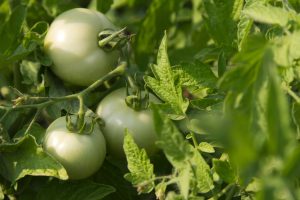
By August, tomatoes and peppers have usually reached a very different stage from the plants gardeners were managing in May or June. The root systems

As the seasons begin to shift, many homeowners and growers focus on winding down their maintenance routines. But fall is not the time to neglect your lawn and garden. In fact, the transitional period from late summer to early fall is one of the most critical windows for feeding your soil and strengthening your plants. To ensure your turf and crops endure the cold months ahead, now is the ideal time to apply a balanced, micronutrient-rich fertilizer like the Supply Solutions 10-10-10 Complete Lawn & Garden Granular Fertilizer with Micronutrients.
Let’s walk through how Triple 10 works, why it’s perfect for pre-winter preparation, and exactly how to use it for optimal cold-weather resilience.
What Is Triple 10 Fertilizer and Why Is It Ideal for Fall Prep?
Triple 10 fertilizer refers to a balanced formulation that contains 10% nitrogen (N), 10% phosphorus (P), and 10% potassium (K). These three nutrients—collectively known as NPK—serve foundational roles in plant health. But what sets this product apart is the inclusion of vital micronutrients, often overlooked in standard formulas.
Fall is the season where plants begin to enter dormancy. They slow their growth and start directing energy toward root strengthening and internal nutrient storage. By applying Triple 10 at this stage, you’re ensuring:
The added micronutrients further amplify this resilience by addressing deficiencies that weaken immunity and delay spring recovery. Trace elements like iron, manganese, and zinc support enzyme activity, chlorophyll production, and cold-weather tolerance.
Why Fall Fertilization Matters More Than You Think
It’s easy to assume that once temperatures drop, lawns and gardens no longer need support. But soil conditions and root health during the fall dictate how well your lawn bounces back in spring. According to University of Illinois Extension, fall fertilization promotes thicker root systems and helps turfgrass store energy for the winter, resulting in faster green-up in spring.
A late-season application of Triple 10 ensures that nutrients are available while the soil is still warm, allowing roots to absorb and store essential minerals before dormancy fully sets in.
Ideal Timing: When Should You Apply Triple 10 Before Winter?
Timing is key. You don’t want to apply fertilizer too early when plants are still in their active growing phase, nor too late when the ground is already too cold for absorption.
For most regions across the U.S., the ideal window for fall fertilization is between mid-September and early November—roughly 6–8 weeks before the ground freezes.
In Oregon and similar temperate zones, early to mid-October typically provides the perfect balance of cool air and warm soil. Use a soil thermometer if needed to confirm that soil temperatures are above 50°F at a 4-inch depth for maximum effectiveness.
Where and How to Use Triple 10 for Fall Garden Prep
Here’s a breakdown of where Triple 10 can be most effective before winter sets in:
How Much Should You Apply?
Always follow the label, but as a general guideline, use 1 pound of Triple 10 per 100 square feet for garden beds or 10 pounds per 1,000 square feet for lawns. Avoid doubling up or applying more frequently in hopes of faster results—it can do more harm than good.
If you’re unsure about exact needs, conduct a soil test first to assess nutrient levels and pH. University extension services or local ag departments often provide low-cost testing options.
Extra Tips for Cold-Season Readiness
To truly prep your outdoor space for winter, fertilization is just one part of the equation. Here are some bonus tips to integrate with your Triple 10 plan:
Triple 10 vs. Other Fall Fertilizer Formulas
While some recommend high-nitrogen or high-potassium formulations for fall, balanced fertilizers like Triple 10 are more versatile. Especially when you include micronutrients, Triple 10 becomes a one-stop solution for both home gardens and commercial landscapes.
Compare that with single-nutrient options like 15-5-0 or 0-0-60: they’re effective but limited. Triple 10 gives you all three majors in equal parts—ideal for general conditioning, especially if you’re not doing targeted correction.
Is It Safe for All Plants and Lawns?
Yes, when applied correctly and at the right rate. Triple 10 is safe for use on:
Avoid applying directly to new seedlings or freshly germinated lawns unless diluted or instructed on the label.
Can Triple 10 Be Used With Other Soil Amendments?
Absolutely. In fact, combining Triple 10 with gypsum, compost, or lime (based on soil test results) can correct pH imbalances or improve structure. For example:
Just space out applications by 7–10 days and water in well.
Storage Tips for Leftover Fertilizer
If you have product left over, store it in a dry, cool location—preferably in its original bag sealed tight. Keep it off the ground and away from moisture to prevent caking. Fertilizer can last over a year when stored properly, so you can use leftovers in early spring.
If you’re unsure about quantities needed for your lawn or garden size, don’t hesitate to reach out for help with calculations.
Have questions about application timing, rates, or compatibility with your specific crops? Reach us through our contact form, message us on Facebook, call 503-451-1622, or email sales@mysolutionssupply.com. Supply Solutions LLC is here to help anytime, any day.
By August, tomatoes and peppers have usually reached a very different stage from the plants gardeners were managing in May or June. The root systems

Late summer can be one of the most confusing times to fertilize warm-season turf. Bermudagrass, zoysiagrass, and St. Augustinegrass may still be green and actively
Give us a call or visit our store, and we’ll help you find the right solution for your business.