

Uncategorized
Should You Fertilize Your Lawn in August? It Depends on the Grass
August is one of the easiest months to make a lawn-fertilizer mistake because different turf species are moving in opposite directions at the same time.
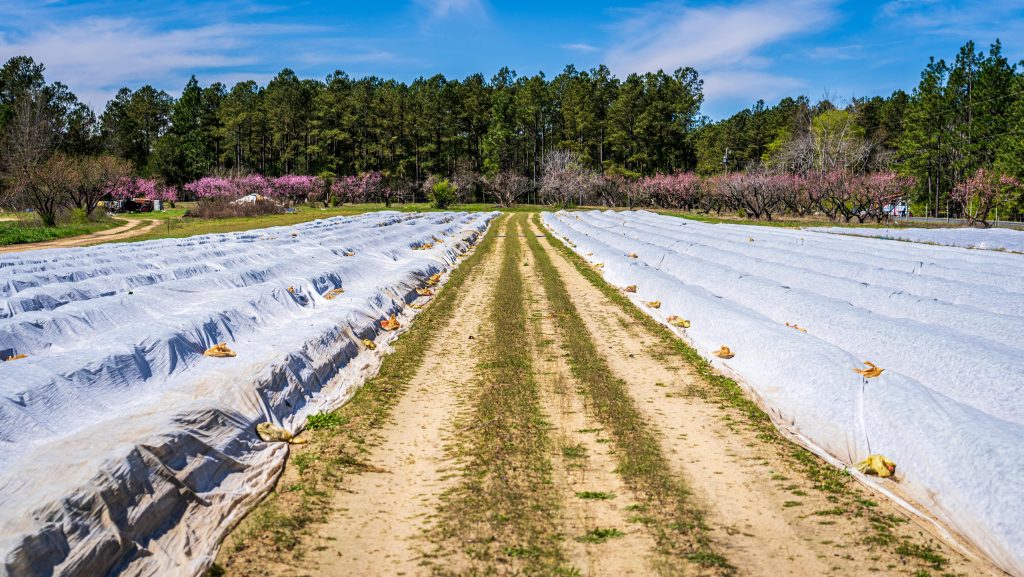
As fields enter their dormant phase, many growers view winter as a time of rest — but for the soil, it’s a season of recovery. One of the most powerful ways to maintain fertility and improve structure over the cold months is by planting cover crops and pairing them with the right fertilizers. Together, they recharge the soil, prevent nutrient loss, and build a healthier foundation for spring planting.
At Supply Solutions LLC, we provide essential fertilizers like Diamond K Gypsum Solution Grade, Muriate of Potash (0-0-60), and Diamond K Magnesium Sulfate Solution Grade that work synergistically with cover crops to replenish key nutrients and protect soil structure through the wet, cold season.
Cover crops alone do an excellent job of protecting the soil surface, suppressing weeds, and improving organic matter. However, when combined with targeted fertilizer applications, they become even more effective. Fertilizers supply the nutrients that fuel microbial activity and decomposition, while cover crops hold those nutrients in place until spring.
This partnership transforms what could be a nutrient-leaching, erosion-prone winter into a period of soil enrichment. Applying the right fertilizers ensures that when the cover crop breaks down, it returns even more value to the soil.
During the colder months, microbial activity slows but doesn’t stop. Bacteria and fungi continue to decompose organic matter at a reduced rate, helping release nutrients back into the root zone. Fertilizers like gypsum, potash, and magnesium sulfate enhance this process by providing structural and nutritional support.
Calcium from gypsum helps stabilize aggregates, sulfur feeds soil microbes, potassium strengthens plant tissues against frost, and magnesium supports chlorophyll production in overwintering cover crops. These elements work together to build a nutrient-rich environment ready for spring planting.
1. Cereal Rye + Gypsum
Cereal rye is one of the most cold-tolerant cover crops and does exceptionally well when paired with Diamond K Gypsum Solution Grade. Gypsum’s calcium improves soil structure and drainage, allowing rye roots to penetrate deeper. Its sulfur content also boosts microbial activity around the root zone, accelerating organic matter breakdown. Together, they improve infiltration, reduce compaction, and prepare the soil for early tillage.
2. Crimson Clover + Muriate of Potash (0-0-60)
Crimson clover fixes nitrogen but still benefits from added potassium for strong root growth and cold tolerance. Applying Muriate of Potash before seeding enhances water regulation and helps the crop maintain turgidity during frosts. When the clover decomposes, the retained potassium is released back into the soil, supporting the next season’s crop cycle.
3. Radish + Magnesium Sulfate
Deep-rooted cover crops like daikon radish break up compacted soil and draw up nutrients from deeper layers. Pairing them with Diamond K Magnesium Sulfate Solution Grade ensures adequate magnesium levels for chlorophyll production and sulfur for microbial energy. This combination promotes vigorous root activity, which helps aerate heavy soils and improve nutrient cycling through winter.
4. Oats + Multi-Nutrient Blends
Oats establish quickly in fall and add excellent organic matter when incorporated in spring. Combine them with a balanced nutrient program that includes gypsum for calcium, potash for potassium, and magnesium sulfate for balanced micronutrient support. This ensures a nutrient-rich biomass that decomposes into a high-quality soil amendment.
Timing is critical for maximizing the synergy between cover crops and fertilizers.
Avoid applying excessive nitrogen during this period — it promotes lush growth that can freeze easily and doesn’t contribute much to long-term soil building.
Without cover crops, bare soils lose nutrients through leaching and erosion. Calcium and potassium, in particular, are prone to washing out during heavy rains. Fertilizer-fed cover crops capture these nutrients in their biomass, keeping them in the field until decomposition releases them again in spring.
This process not only preserves your fertilizer investment but also builds humus, improves soil texture, and enhances moisture retention — all of which are vital for sustainable crop systems.
A farmer in Redmond, Oregon planted crimson clover after harvesting barley in late October. Before seeding, they applied 250 pounds per acre of Diamond K Gypsum Solution Grade. The calcium improved soil tilth, and the clover established quickly despite cool conditions. In early spring, the field displayed excellent drainage and a rich, crumbly texture. The next crop of wheat yielded noticeably higher, confirming the benefits of pairing calcium amendments with nitrogen-fixing cover crops.
By combining biological activity with targeted mineral inputs, you accelerate the natural processes that create fertile, resilient soil.
This integrated approach reduces nutrient waste, minimizes runoff, and lowers spring input costs. The long-term impact is greater soil fertility, improved yield consistency, and more sustainable land management practices that align with regenerative agriculture principles.
Pairing cover crops with targeted fertilizer applications is one of the smartest strategies for maintaining healthy soil through winter. Nutrients from Diamond K Gypsum Solution Grade, Muriate of Potash (0-0-60), and Diamond K Magnesium Sulfate Solution Grade work hand-in-hand with natural processes to rebuild soil vitality, prevent erosion, and lock in fertility for spring.
Visit Supply Solutions LLC for expert fertilizer recommendations and dependable products that complement your winter cover crop program. Reach us through our contact form, message us on Facebook, call 503-451-1622, or email sales@mysolutionssupply.com to create a customized nutrient and soil health plan for your farm or garden.
August is one of the easiest months to make a lawn-fertilizer mistake because different turf species are moving in opposite directions at the same time.

Walk into a fertilizer warehouse, farm supply store, greenhouse, or garden center and the first thing most people notice on a fertilizer bag is a
Give us a call or visit our store, and we’ll help you find the right solution for your business.