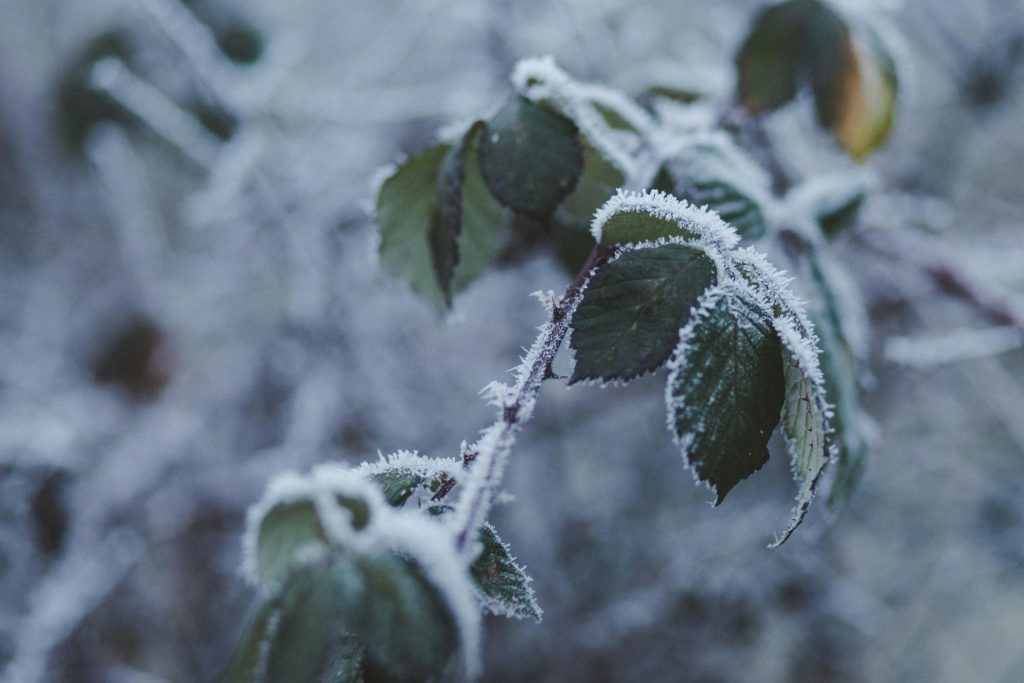
As temperatures drop and frost starts to creep into the soil, plant tissues face a new challenge — surviving the cold while maintaining metabolic function. While nitrogen drives growth during the warm season, potassium and calcium become the unsung heroes of plant endurance in fall and early winter.
Together, these two nutrients strengthen cell walls, regulate water flow, and protect tissues from freezing injury. When applied strategically in November using fertilizers like Muriate of Potash (0-0-60) and Diamond K Gypsum Solution Grade from Supply Solutions LLC, they create a balanced nutrient shield that helps crops, ornamentals, and turf survive the harshest winter conditions.
Why Cold Tolerance Starts With Nutrition
Cold damage happens when water inside plant cells freezes, expanding and rupturing membranes. Nutritionally strong plants resist this by maintaining flexible, well-hydrated cells. Potassium and calcium both play key roles in that defense system:
- Potassium regulates the opening and closing of stomata, allowing plants to control water loss under stress.
- Calcium fortifies cell walls and stabilizes membranes, keeping tissues intact even under freeze–thaw cycles.
When both nutrients are abundant and balanced, plants can better withstand frost, desiccation, and root injury.
The Role of Potassium in Cold Weather Defense
Potassium is often called the “quality nutrient” because it enhances stress resistance and improves water efficiency. In cold weather, it helps plants regulate internal fluids, preventing dehydration and frost damage.
Key functions of potassium include:
- Strengthening stems and leaves against cold stress
- Regulating water pressure in plant cells (turgor)
- Enhancing sugar transport for energy storage
- Supporting enzyme systems that activate under low temperatures
Applying Muriate of Potash (0-0-60) in late fall ensures that potassium levels are replenished after harvest and available to support plants through winter dormancy. The natural leaching of chloride over winter leaves behind pure, plant-ready potassium when spring arrives.
The Role of Calcium in Cold Resistance
Calcium’s influence on cold tolerance comes from its ability to strengthen structural integrity at both the cell and soil level. It binds cell wall components like pectin, giving tissues flexibility and preventing rupture under freeze pressure.
In the soil, calcium improves aeration and infiltration — two critical factors that keep roots oxygenated and less prone to cold injury.
Diamond K Gypsum Solution Grade is one of the best fall calcium sources because it’s fully soluble, non-caustic, and doesn’t alter soil pH. It’s suitable for nearly every soil type and can be broadcast, fertigated, or sprayed.
Calcium benefits for cold tolerance:
- Strengthens root and cell wall structure
- Improves soil drainage to prevent root freezing
- Enhances microbial balance for better overwintering conditions
- Works synergistically with potassium to maintain hydration
The Potassium–Calcium Synergy
Potassium and calcium are a classic example of nutrient synergy — each enhances the other’s effectiveness. Potassium regulates internal water pressure, while calcium builds the structure that holds that water in place. Without calcium, potassium uptake efficiency drops; without potassium, calcium’s structural benefits don’t translate into active stress resistance.
When both nutrients are applied together, plants experience:
- Better frost resistance
- Improved recovery from cold damage
- Stronger cell wall and membrane cohesion
- Greater root vitality during winter dormancy
This synergy extends beyond plant physiology. In the soil, calcium from gypsum loosens the structure, allowing potassium ions to move more freely into the root zone. The combination results in deeper nutrient penetration and higher uptake efficiency.
Application Strategy for Late Fall
Timing and order of application determine how well these nutrients perform.
- Apply Diamond K Gypsum first — 200–400 pounds per acre. This improves soil porosity and starts the calcium exchange process.
- Follow with Muriate of Potash — 100–200 pounds per acre, 1–2 weeks later. Moisture from early winter rainfall helps potassium infiltrate deeper.
- For container systems or turf: Use soluble rates of 1–2 tablespoons gypsum and 1 tablespoon potash per gallon of water, applied evenly across the area.
- Water after application: This activates nutrient movement and prevents surface accumulation.
By applying these nutrients before the soil freezes, you ensure they integrate fully into the profile and are available throughout winter.
Case Example: Increasing Cold Hardiness in Orchard Crops
A small orchard in Redmond, Oregon faced repeated winter injury in young trees, with bark splitting and delayed spring bud break. After incorporating Diamond K Gypsum Solution Grade and Muriate of Potash (0-0-60) into their late-fall fertility plan, they noticed a marked reduction in cold injury by the following spring. Soil analysis showed improved calcium availability, and leaf samples revealed better potassium uptake. The result — stronger, more resilient trees with uniform bud emergence and higher fruit retention.
Common Mistakes When Managing Potassium and Calcium
- Applying nitrogen-heavy fertilizers too late: This stimulates tender growth that’s vulnerable to frost.
- Neglecting calcium balance: Without calcium, potassium can’t function optimally in cell regulation.
- Applying after freeze: Once the soil hardens, nutrient infiltration is minimal.
- Ignoring soil sodium levels: Excess sodium blocks calcium’s ability to flocculate the soil.
Avoiding these mistakes ensures that your fertility investment translates directly into cold protection and spring readiness.
Complementary Nutrients That Enhance Winter Resilience
For the best cold-tolerance strategy, combine potassium and calcium with these supporting nutrients:
- Diamond K Magnesium Sulfate Solution Grade — supplies magnesium and sulfur to activate enzymes and maintain chlorophyll integrity under cold stress.
- Organic matter or compost — improves soil buffering and moisture retention.
- Balanced sulfur levels — ensure full nutrient efficiency and microbial activity.
These additions help stabilize soil chemistry and enhance plant metabolic resilience through winter.
Looking Ahead
Cold tolerance begins in the soil, not on the surface. Applying Muriate of Potash (0-0-60) and Diamond K Gypsum Solution Grade before winter strengthens both the structure of your soil and the cells of your plants. Together, they provide a nutritional safety net that protects against freeze damage and primes the root zone for vigorous spring recovery.
For expert advice on creating cold-tolerant fertility programs, visit Supply Solutions LLC. Reach us through our contact form, message us on Facebook, call 503-451-1622, or email sales@mysolutionssupply.com — and prepare your soil for winter strength and spring success.