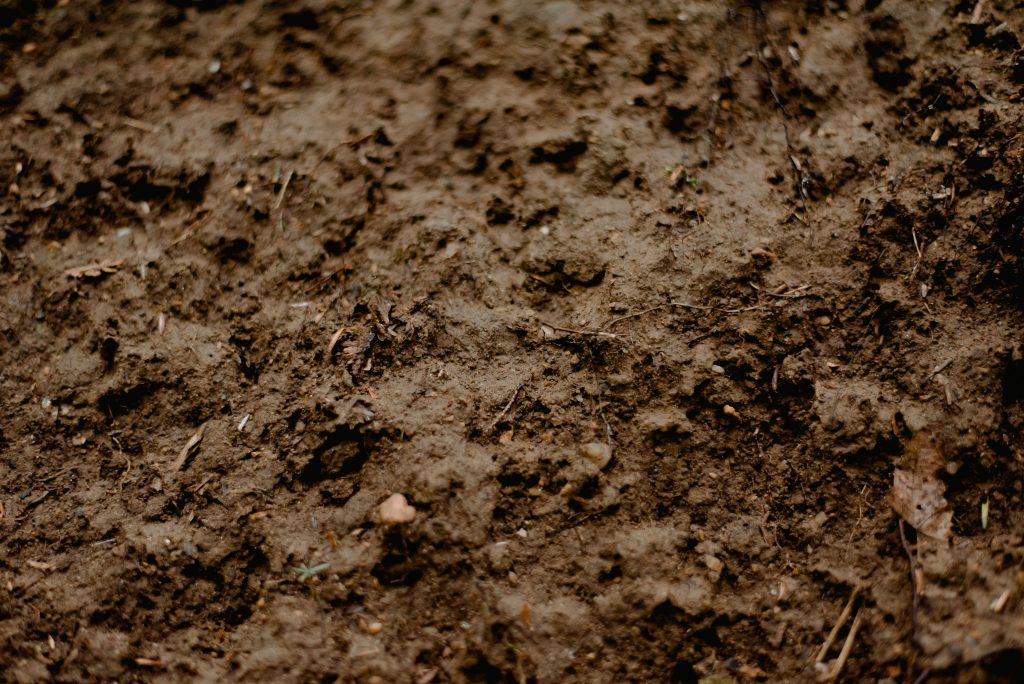
Wet spring soil can fool you.
From the surface, it may look like the season is moving. Grass is greening. Garden beds are being planted. Transplants are sitting in place. Field edges are drying. Flower beds are filling. Trees and shrubs are leafing out.
But below the surface, roots may be struggling for air.
That is the part many growers miss in May. Too much water does not simply make soil “moist.” Once pore spaces stay filled with water, oxygen becomes limited. Roots need oxygen to function. Soil microbes need oxygen to cycle nutrients properly. When the soil stays saturated, plants can look hungry, pale, wilted, or stalled even though there is plenty of water around them.
University of Minnesota Extension puts it plainly for vegetable gardens: roots take in oxygen from the soil to survive, and when water saturates the ground, there is little or no oxygen available. Plants may decline, collapse, or die when roots stay too wet.
That is why wet spring soil needs careful management. The answer is not always more fertilizer. It is not always more tillage. It is not always more mulch. Often, the first job is helping the soil breathe again.
May is the right time to pay attention because root systems are being built now. Vegetables are establishing. Lawns are thickening. annual beds are rooting. shrubs and trees are waking up. field crops are emerging. If those roots spend too much time in saturated, compacted soil, the plant starts the season behind before summer stress even arrives.
Wet soil is not just a water problem
Healthy soil has both water and air.
That balance happens in the pore spaces between soil particles. Some pores hold water. Some hold air. Roots grow through those spaces. Water moves through them. Oxygen enters them. Carbon dioxide leaves them. Microbes live and work in them.
When spring rain or irrigation fills those pores for too long, the balance breaks.
Oregon State University Extension explains that soil pore spaces normally contain both air and water, both of which are necessary for plant roots and soil life. When large amounts of rain or irrigation exceed the soil’s water-holding capacity, water can run off, pond, and create saturated conditions.
That is why wet spring soil can create so many symptoms at once.
Plants may yellow because roots are not taking up nutrients well. Leaves may wilt even though the soil is wet because damaged roots cannot move water properly. Roots may turn brown or shallow. Seedlings may damp off. Lawns may thin in low spots. Vegetables may stall. Flower beds may look uneven. Newly planted shrubs may sit without new growth.
The plant may look like it needs feeding, but the bigger problem may be oxygen.
Fertilizer can only help when roots can function. A plant with oxygen-starved roots cannot use nutrients normally, even if the nutrients are present in the soil.
Compaction makes wet soil worse
Wet soil and compaction often arrive together.
When soil is moist or saturated, it is easier to damage. Foot traffic, mower turns, wheelbarrows, tractors, skid steers, livestock, tillers, and even repeated walking through a garden can press soil particles together. That reduces pore space. When pore space is reduced, water moves more slowly and oxygen moves less freely.
Oregon State University Extension notes that compacted soils have less pore space and lower drainage rates, which leads to more ponding and runoff. Compaction also reduces the diffusion and availability of oxygen and nutrients to plant roots and soil microbes.
That is the cycle growers have to break.
Wet soil compacts easily. Compacted soil stays wet longer. Soil that stays wet longer loses more oxygen. Roots weaken. Weak roots leave fewer channels in the soil. Water movement gets worse.
In May, this cycle shows up in practical ways:
- Lawn areas stay soggy where people walk, mow, or turn equipment.
- Garden paths become slick and compacted.
- Raised beds drain well, but low areas between beds stay wet.
- Flower beds near downspouts or sidewalks hold water.
- Field headlands and wheel tracks yellow first.
- Newly planted shrubs decline in heavy planting holes.
- Pastures pug where animals step through soft soil.
The most important May habit is restraint. Do not work soil just because the calendar says it is time. If the soil is too wet, wait. Tillage, planting, mowing, and traffic can create damage that lasts longer than the wet spell itself.
Roots need oxygen before they need another feeding
When plants are pale in wet soil, the first instinct is to fertilize.
That can be a mistake.
Wet roots cannot take up nutrients efficiently. Excess water reduces oxygen. Root hairs die back. Nutrient uptake slows. Nitrogen can move or be lost. Soil biology changes. Diseases favored by wet conditions become more likely. Penn State Extension notes that root loss occurs when excess water reduces oxygen in the soil, and plants cannot grow without healthy roots.
This is why wet May soils require patience.
If a vegetable bed is saturated after heavy rain, wait before side-dressing. If a lawn is soft underfoot, stay off it before spreading fertilizer or mowing. If a landscape bed is holding water, do not keep adding mulch and fertilizer without addressing drainage or soil structure. If field areas are ponded, wait for oxygen and traffic conditions to improve before making decisions.
A stressed plant may need fertility later, but the first correction is often air, drainage, and soil structure.
Fertilizer applied too soon can be wasted, uneven, or harmful. A plant that cannot breathe cannot use the product properly.
Aqua Drive fits where water is not entering the soil evenly
When wet soil problems are tied to poor infiltration, surface sealing, or compacted turf areas, Aqua Drive has a natural role.
Supply Solutions describes Aqua Drive as a liquid lawn aerator and soil conditioner designed for lawns, turf areas, landscapes, flower beds, and soil media. The product is positioned for tackling soil compaction and standing water issues, improving soil penetration, supporting water retention, and helping improve drainage and reduce erosion.
That makes it useful in May where water sits on the surface or runs off instead of soaking in.
The problem Aqua Drive helps solve is poor water movement through the soil surface. This is common in compacted lawns, tight landscape beds, heavy-use areas, and soils that shed water after spring rains. If water cannot enter the root zone evenly, fertilizer response will also be uneven.
The timing is during active spring growth, when roots are trying to expand and the soil can benefit from improved moisture movement before summer heat arrives. Aqua Drive is especially useful before or alongside a broader fertility program, because better water movement helps nutrients reach the roots more consistently.
It is not a replacement for core aeration in severely compacted turf. It will not fix a drainage ditch, a grading problem, or a planting hole that acts like a bathtub. But where the issue is surface tension, tight soil, or poor infiltration, it can help improve the soil’s ability to accept water.
For lawns, apply according to directions and avoid using it as an excuse to overwater. For flower beds and landscapes, use it where water is slow to move into the root zone. For soil media, it can help where wetting and penetration are uneven.
The goal is not to make wet soil wetter. The goal is to help water move correctly.
Gypsum supports structure in clay-heavy, tight soils
Wet spring soil is often worst in clay-heavy ground.
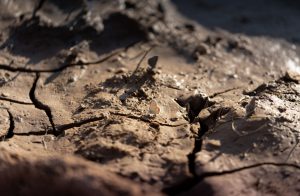
Clay can be productive soil, but when structure is poor, it seals, compacts, and drains slowly. Water sits. Air movement is limited. Roots stay shallow. When the soil dries, it can become hard and cloddy.
Gypsum Powder fits this conversation because it supplies calcium sulfate and supports soil structure. Supply Solutions describes its gypsum powder as finely ground, OMRI Listed, and useful for improving water and air movement, helping prevent waterlogging, supporting root development, and improving clay-heavy or compacted soils.
The problem Gypsum Powder helps solve is dense soil structure where calcium and sulfur support are needed and water and air movement are limited. In clay soils, gypsum can be part of a program to improve aggregation and help roots grow deeper.
The timing is May when soil is warming, roots are active, and spring moisture can help move the amendment into the soil. It is especially useful before summer heat turns shallow rooting into a bigger problem.
Gypsum should still be used with judgment. It is not lime. It does not serve the same purpose as lime for raising pH. It is not a cure for standing water caused by poor grading or a high water table. It works best where the soil chemistry and structure fit its use.
Supply Solutions recommends soil testing to determine actual nutrient requirements, and that matters. Gypsum supplies calcium and sulfur. If the soil does not need those, or if another issue is causing poor drainage, gypsum may not be the first answer.
Where clay, compaction, calcium, sulfur, and poor water movement are part of the problem, gypsum can be a practical May soil-support tool.
Organic feeding should be moderate in wet soil
Wet spring soil complicates organic fertility.
Organic fertilizers depend on microbial activity, oxygen, moisture, and temperature to release nutrients. May soil is warming, which helps. But if the soil is saturated, oxygen is limited and biological activity does not function normally. That means organic fertilizer may not release nutrients at the expected pace, and roots may not be ready to use what becomes available.
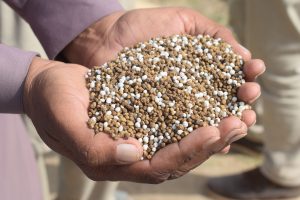
4-3-2 Nutri-Proganic Granular fits wet-spring management when the soil is no longer saturated and plants need gentle, balanced organic feeding. Supply Solutions describes it as an organic chicken manure fertilizer with a 4-3-2 analysis, intended to provide balanced plant nutrition and regular nourishment while supporting roots, flowering, plant resilience, and soil quality.
This product solves a different problem than Aqua Drive or Gypsum.
Aqua Drive helps with water penetration and infiltration. Gypsum supports soil structure, calcium, sulfur, and water-air movement in the right soils. 4-3-2 Nutri-Proganic Granular provides moderate organic nutrition when plants are ready to grow again.
The timing is important. Do not apply it into standing water or saturated soil and expect strong results. Wait until the soil is workable, roots are active, and moisture is balanced. Then use it as a steady feeding source for gardens, lawns, food crops, flower beds, and mixed plantings that need organic fertility without a hard nutrient push.
The problem it helps solve is low background fertility after a wet spring, especially where plants have stalled and need moderate support once root function improves. It also fits beds where organic matter and soil-quality goals are part of the management plan.
Because it is a manure-based organic fertilizer, it should be applied carefully and watered in. More is not better. Wet-stressed roots are sensitive, and organic products still contain nutrients that can be overapplied.
Do not work wet soil just to “open it up”
It is tempting to till wet garden soil after heavy rain because the surface looks sealed.
That can make things worse.
When wet soil is tilled, dug, or driven over, soil structure can smear and collapse. Clay soils are especially vulnerable, but any soil can be damaged when it is too wet. Once structure is damaged, drainage can become even slower and roots may struggle all season.
Oregon State University Extension emphasizes that the importance of not cultivating wet soil cannot be overstated. It recommends checking soil moisture before cultivation and waiting when conditions are too moist, because wet soils are highly vulnerable to compaction and plugging.
A simple test helps.
Take soil from the depth you plan to work. Squeeze it in your hand. If it forms a sticky ball, ribbons easily, shines, or smears, it is too wet. If it crumbles under pressure, it is closer to workable.
Waiting is not lost time. In wet spring soil, waiting can protect the entire season.
For gardens, avoid tilling wet beds. For fields, avoid unnecessary traffic. For lawns, avoid mowing when the mower leaves ruts. For landscapes, avoid installing plants into smeared planting holes. For pastures, limit animal traffic on saturated ground.
The best soil structure is often saved by not damaging it in the first place.
Raised beds help, but they still need oxygen management
Raised beds are one of the most practical solutions for wet garden soil.
They lift the root zone above the surrounding grade, improve drainage, and allow soil to warm faster in spring. University of Minnesota Extension notes that when too much rain falls, one solution for gardens is to build raised beds.
But raised beds are not automatic protection.
A raised bed can still become waterlogged if the soil mix is too fine, if drainage is blocked, if the bed sits over compacted subsoil, or if irrigation continues after heavy rain. A raised bed can also dry faster once weather changes, creating a different problem later.
In May, raised beds should be managed by moisture checks, not by habit.
If a raised bed is wet, wait before side-dressing. If the surface is crusted, loosen lightly only when the soil is ready. If water pools at the base of the bed, check surrounding drainage. If plants are yellow after heavy rain, give roots time to recover before applying more fertilizer.
Once the bed is moist but not saturated, 4-3-2 Nutri-Proganic Granular can fit as a moderate organic feed for vegetables and flowers. If the soil is clay-heavy or structure is limiting water and air movement, Gypsum Powder may fit as part of a longer-term soil program. If water has trouble penetrating evenly, Aqua Drive may help improve movement into the root zone.
Raised beds help, but the same rule still applies: roots need air.
Lawns show wet-soil stress in patterns
Wet lawns rarely fail evenly.
Low spots stay yellow. Traffic areas thin first. Mower tracks leave ruts. Areas near downspouts stay soft. Clay pockets green slowly. Shaded areas remain wet longer than sunny areas. Turf near sidewalks may show compaction from foot traffic. New sod may struggle where the soil beneath was poorly prepared.
Those patterns tell you where the root zone is not breathing.
A lawn in wet spring soil should not be pushed with heavy nitrogen before infiltration and rooting are addressed. Fertilizer may green the surface briefly, but if water cannot move into the soil and roots remain shallow, the turf will struggle again when heat arrives.
Aqua Drive is a good fit where the lawn has poor water penetration, surface compaction, or standing water issues tied to soil surface conditions. It should be used during active growth and watered according to directions, not applied as a substitute for fixing major drainage or grade problems.
Gypsum Powder fits clay-heavy lawns where soil structure, calcium, sulfur, and water-air movement are part of the problem. Supply Solutions lists application guidance for established lawns and new lawns with heavy clay, with watering in recommended.
4-3-2 Nutri-Proganic Granular can fit once the lawn is actively growing and soil is not saturated, especially where a moderate organic feed is desired.
The lawn should be firm enough to walk and mow without damage before most treatments are made. If the soil is soft enough to rut, stay off it.
Vegetable gardens need oxygen before side-dressing
Vegetables can look hungry after wet weather.
Corn may yellow. tomatoes may stall. peppers may sit still. squash may look pale. beans may emerge unevenly. onions may yellow at the tips. root crops may slow down.
Some of that can be nutrient loss or delayed nutrient release. Some of it is root stress.
Too much water reduces oxygen around roots. University of Minnesota Extension notes that garden plants may decline because their roots are too wet, and wet seasons can also increase leaf disease pressure.
That means the first step after a wet spell is not automatically side-dressing.
Check soil moisture. Dig gently near the plant. Look for white active roots or brown stressed roots. Smell the soil. Sour or anaerobic odors suggest poor oxygen. Check whether water is still sitting below the surface. If soil is saturated, wait.
Once the bed is workable and roots are growing again, fertility can resume.
4-3-2 Nutri-Proganic Granular fits vegetables that need moderate organic feeding after wet stress. It is useful when the goal is steady support, not a hard push. Apply it beside plants or incorporate lightly according to directions, then water it in.
Gypsum Powder may fit new vegetable beds with heavy clay or poor structure. Supply Solutions lists vegetable garden and flower bed applications for preparing new gardens and working gypsum into the top 6 to 8 inches of soil.
Aqua Drive may fit where water is not entering garden soil evenly or where surface compaction is part of the issue.
The key is timing. Feed when roots can breathe.
Flower beds can be overwatered even when they look dry on top
Flower beds often hide wet soil problems under mulch.
The top of the mulch may look dry, while the soil underneath remains saturated. A landscaper or homeowner sees dry mulch and waters again. The plant roots sit in wet soil for days. Annuals begin yellowing. Perennials wilt. Newly installed shrubs stall. Root rot pressure increases.
Oregon State University Extension warns that heavily mulching wet soils can worsen oxygen-deficient conditions, weaken plants, and make them more susceptible to root rot diseases. Wet sites should be left unmulched or mulched lightly, and drainage should be improved before planting on very wet sites.
That is an important May reminder.
Mulch is useful, but it should not be used heavily on wet soil. In a wet bed, pull mulch back and check the actual soil. If the soil is saturated, stop watering. If the bed holds water after every rain, address drainage. If plants are yellowing, do not immediately apply more fertilizer.
Once the bed is ready, 4-3-2 Nutri-Proganic Granular can support steady organic nutrition for flowers and mixed beds. Gypsum Powder can fit flower beds where clay structure and water-air movement need improvement. Aqua Drive can fit beds where water penetration and surface compaction are limiting root function.
Good flower color starts with roots that are not drowning.
Newly planted trees and shrubs need drainage more than fertilizer
Wet spring planting is risky for woody plants.
A tree or shrub planted into a wet, compacted hole can struggle for months. If the sides of the planting hole are smeared, roots may not move outward. If the hole drains slowly, it can hold water like a basin. If mulch is piled high around the trunk, the root collar may stay too wet. If fertilizer is added heavily, stressed roots may be injured.
For trees and shrubs, look at drainage before feeding.
Dig the planting hole only when soil is workable. Avoid glazing the sides. Plant at the correct depth. Keep the root flare visible. Water the root ball, but do not keep it saturated. Mulch lightly and keep mulch away from the trunk.
Gypsum Powder can fit woody plantings where soil testing and site conditions show that calcium sulfate support and structure improvement are useful. Supply Solutions lists tree, shrub, and evergreen use by spreading gypsum around the base outward to the drip line and watering in.
Aqua Drive can fit surrounding landscape soils where water penetration is poor. 4-3-2 Nutri-Proganic Granular should be used carefully around established plants when moderate organic feeding is needed, not as a heavy planting-hole amendment.
Woody plants need time to establish. Do not use fertilizer to force top growth when the root zone still needs air.
Farmers should watch wet spots as diagnostic tools
Wet areas in fields tell a story.
They show where soil structure, drainage, traffic, slope, residue cover, compaction, and soil texture are affecting crop growth. Ponding after rainfall can reveal management problems, natural low areas, or traffic zones that need different handling.
Oregon State University Extension notes that observations during and after heavy rainfall can reveal differences in soil type and condition across a farm, and ponded areas may highlight compaction problems or areas to avoid longer after rainfall.
That information is valuable.
A yellow crop in low ground may be oxygen-stressed, not simply nitrogen-deficient. A weak stand in a wheel track may reflect compaction. A wet headland may need traffic management. A garden-scale grower may see the same pattern in rows, beds, and paths.
Fertilizer decisions after wet weather should follow field scouting. Dig plants. Look at roots. Compare wet areas with well-drained areas. Check whether nitrogen loss is likely. Consider whether the soil is ready for equipment before making a pass.
For smaller farms and market gardens, Gypsum Powder may fit heavy soils where calcium, sulfur, and structure support are needed. 4-3-2 Nutri-Proganic Granular can fit organic beds once conditions support root uptake. Aqua Drive can fit targeted soil media, turf, or landscape areas where infiltration is a management concern.
Wet spots are not just problem areas. They are clues.
Do not confuse drainage with drying out
Managing wet soil does not mean trying to dry the soil completely.
Plants need water. The goal is balance.
Soil should hold enough moisture for roots but still have enough air for respiration. A good soil does not shed all water immediately, and it does not hold water around roots for too long. It accepts water, stores some, drains excess, and allows oxygen to return.
This is why products and practices need to match the site.
Aqua Drive helps water penetrate and move more evenly through tight or compacted surfaces. Gypsum Powder supports structure and water-air movement in the right soils. 4-3-2 Nutri-Proganic Granular supplies moderate organic fertility when plants are ready to grow.
None of these products are meant to remove the need for observation. If the site has standing water from poor grading, fix the grade. If a downspout floods a bed, redirect it. If a field needs drainage work, amendments alone will not solve it. If a raised bed sits over compacted subsoil, break the drainage barrier before planting.
The goal is soil that breathes and holds moisture properly.
Wait for the right moment to feed
After wet weather, plants may need fertility. But timing is everything.
Feed too soon, and roots may not be ready. Wait too long, and plants may stay behind. The best timing is when the soil has drained enough to regain air, the surface is firm enough to work without smearing, and plants are showing signs of new growth.
For vegetables, that may be a few days after the soil becomes workable. For lawns, it may be after the ground firms enough to mow without rutting. For flower beds, it may be when roots are no longer sitting in saturated soil. For field areas, it may be when equipment can travel without creating compaction.
At that point, moderate feeding can help.
Use 4-3-2 Nutri-Proganic Granular when the crop needs organic nutrition after wet stress. Use Gypsum Powder when soil structure, calcium, sulfur, and water-air movement are part of the issue. Use Aqua Drive when water penetration and surface compaction are limiting root-zone function.
Feeding should follow root recovery, not replace it.
A practical May wet-soil approach
Start by watching water.
Where does it sit after rain? Where does it run off? Which beds dry first? Which lawn areas stay soft? Which rows yellow? Which low spots keep showing problems year after year?
Then check soil moisture before working. Use the squeeze test. If soil smears, ribbons, or stays in a tight ball, wait before tilling, cultivating, planting, or driving over it.
Keep traffic off saturated soil. This protects pore space and prevents compaction from getting worse.
Address infiltration where water is not entering the soil. Aqua Drive fits lawns, landscapes, flower beds, and soil media where surface compaction and poor water penetration are part of the problem.
Support structure where clay-heavy soil limits water and air movement. Gypsum Powder fits soils that need calcium sulfate support and better structure, especially when soil testing supports the use.
Feed moderately when roots are ready. 4-3-2 Nutri-Proganic Granular fits gardens, lawns, food crops, and flower beds that need steady organic nutrition once saturated conditions have passed.
Adjust mulch. Use mulch to protect soil, but do not bury wet beds under heavy layers that hold too much moisture against roots.
Water slowly when irrigation is needed. University of Minnesota Extension recommends applying water slowly enough that it does not puddle and run off the soil.
The strongest wet-soil management is not one product or one pass. It is a sequence of better decisions.
Roots tell the truth after wet weather
Wet spring soil is not automatically bad. Spring moisture can help crops, lawns, trees, and gardens establish. The problem comes when water stays too long, soil compacts, roots lose oxygen, and growers respond with more fertilizer before the root zone has recovered.
May is the month to protect the root system.
Stay off wet soil when possible. Improve water movement. Support soil structure. Use organic fertility after roots are ready, not while they are drowning. Match the product to the problem you are actually seeing.
Supply Solutions has practical tools for that work. Aqua Drive fits lawns, landscapes, flower beds, and soil media where water penetration and surface compaction need attention. Gypsum Powder fits clay-heavy or tight soils where calcium, sulfur, structure, and water-air movement are part of the issue. 4-3-2 Nutri-Proganic Granular fits the feeding side once soil oxygen improves and plants are ready for steady organic nutrition. Used in the right order, these products help solve wet spring problems without smothering roots further. Contact Supply Solutions for help matching your May soil conditions to the right product and timing before summer stress starts building.