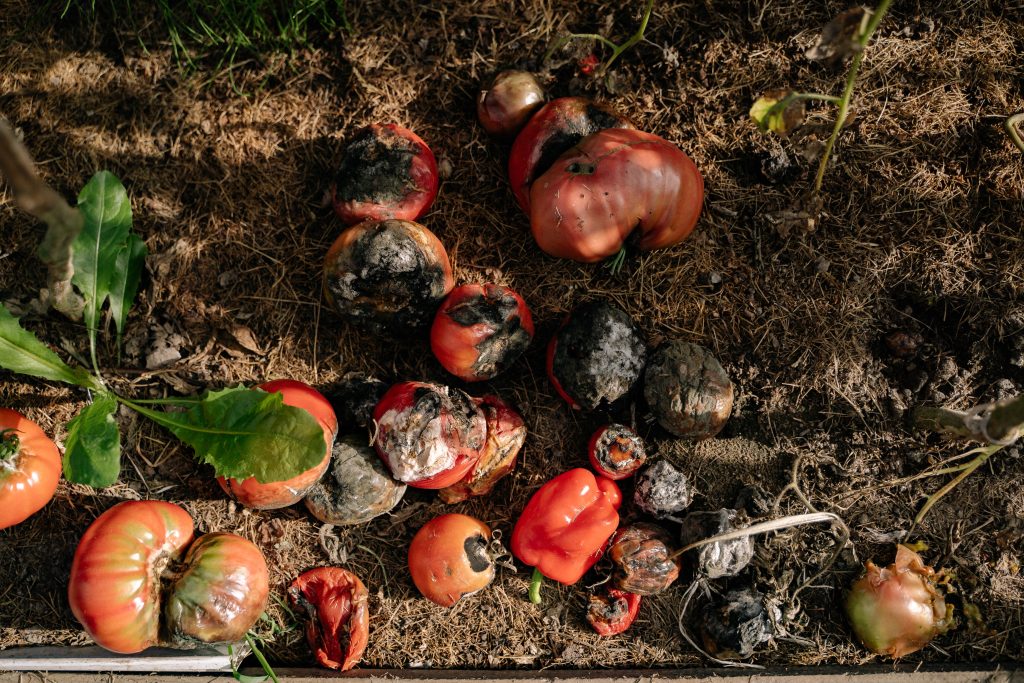
Blossom end rot always feels like it shows up suddenly.
A tomato looks healthy. The plant is green. Flowers are setting. The first fruit begins to size. Everything seems on track. Then one day, the bottom of a tomato shows a small, dark, water-soaked spot. A few days later, it turns sunken, leathery, and black. Peppers can show the same kind of collapse near the blossom end. Squash, cucumbers, melons, and other fruiting crops can show related fruit-quality problems when calcium and water movement are not steady.
By the time you see it, the damage is already done.
That is the part growers have to understand. Blossom end rot does not begin when the spot turns black. It begins earlier, while the fruit tissue is forming and expanding. The cells at the blossom end fail because they did not receive enough calcium at the right time. Once those cells collapse, fertilizer cannot repair that fruit.
The good news is that the next fruit can be protected.
That is why June management matters so much. Many tomatoes, peppers, melons, squash, cucumbers, eggplant, and container fruiting crops are moving into flowering, fruit set, and early fruit sizing. This is the exact window when calcium, moisture, roots, and nutrient balance need to be managed before damage appears.
A good calcium program is not just about adding calcium. It is about helping the plant move calcium.
That means steady moisture. Active roots. Good soil structure. Proper fertilizer timing. Avoiding excessive nitrogen. Keeping potassium and magnesium in balance. Preventing root stress. Using calcium products before the fruit is damaged, not after.
Blossom end rot is a visible fruit problem, but it usually starts as a root-zone and water-movement problem.
Calcium has to reach the fruit while it is forming
Calcium is important because it helps build strong cell walls and stable plant tissue.
When a fruit is small and rapidly expanding, its cells are dividing and enlarging quickly. Those cells need calcium during that early development period. If calcium supply is interrupted, the tissue may weaken and later collapse. That collapse becomes the dark, sunken spot growers call blossom end rot.
This is why the first fruit cluster is often the most vulnerable.
Early in the season, the plant is still building roots. Weather may be inconsistent. The soil may swing from wet to dry. The plant may be growing fast from nitrogen. The root system may not be fully developed. Irrigation habits may not have adjusted to June heat. Containers may dry too quickly. Raised beds may dry at the edges. The plant may be setting fruit before the root zone is steady enough to supply water and calcium consistently.
The fruit does not wait for the grower to catch up.
Calcium must be available and moving when fruit cells are forming. If the plant misses that window, a later fertilizer application may help future fruit, but it will not heal fruit already damaged.
That is why calcium work should start before symptoms show.
Blossom end rot is not always caused by low soil calcium
One of the most common misunderstandings is that blossom end rot always means the soil has no calcium.
Sometimes calcium is low. That can happen in certain soils, potting mixes, or production systems. But often, the soil has calcium and the plant still cannot move enough into developing fruit.
That is because calcium movement depends heavily on water movement through the plant.
Calcium moves from the soil into the roots and upward through the plant with water. Leaves pull water strongly because they transpire. Fruit does not pull water the same way leaves do. When water movement is uneven, leaves may still receive calcium while fruit remains short.
This is why a tomato plant can have healthy-looking leaves and still develop blossom end rot.
The fruit is a weaker calcium destination than the leaves. When moisture becomes irregular, roots are stressed, or vegetative growth is too strong, calcium movement to the fruit can fall behind.
That is why simply throwing more calcium at the soil does not always solve the problem. The grower also has to manage the conditions that move calcium into the fruit.
Water swings are one of the biggest triggers
A dry spell followed by heavy watering is one of the classic blossom end rot patterns.
The plant dries down. Calcium movement slows. Fruit tissue is developing during that stress. Then the grower waters heavily or a thunderstorm arrives. The plant resumes growth, but the tissue that missed calcium during the dry period may already be weakened.
Repeated wet-dry swings are hard on tomatoes and peppers.
Containers are especially vulnerable because they dry faster. A tomato in a pot may dry out by late afternoon, even if it was watered in the morning. Raised beds can also dry quickly, especially around the edges. Sandy soils lose moisture fast. Clay soils can be tricky because they may stay wet after rain, then dry hard at the surface.
Too much water can also cause problems.
If soil stays saturated, roots lose oxygen. A root system without oxygen cannot take up water and nutrients properly. The plant may look hungry or wilted even when the soil is wet. Calcium movement becomes unreliable because roots are not functioning well.
The goal is not constant wetness. The goal is consistent, even moisture in a soil that still has oxygen.
For June fruiting crops, watering is part of the calcium program. Fertilizer cannot overcome repeated moisture stress.
Calcium Nitrate fits fast calcium needs during active growth
When plants are actively growing and moving into flowering or early fruit set, Calcium Nitrate 15.5-0-0 + 19% Ca is one of the most direct tools for calcium support.
It supplies water-soluble calcium along with nitrate nitrogen. That combination can be useful in June because tomatoes, peppers, cucumbers, melons, squash, and other fruiting crops often need calcium while they are still maintaining active growth.
The problem Calcium Nitrate helps solve is active calcium demand during rapid growth and early fruit development. It is especially useful when plants are established, roots are active, and fruiting is beginning. This is the stage when calcium should be moving before blossom end rot becomes visible.
The timing is important. Use it before fruit damage appears or when the first signs suggest the next fruit need protection. It fits tomatoes, peppers, cucumbers, melons, squash, greenhouse crops, raised beds, containers, and hydroponic or fertigation systems where soluble calcium is needed.
The nitrogen in Calcium Nitrate is useful, but it must be counted. Tomatoes and peppers that are already dark green and overly vegetative may not need a strong nitrogen push. In those cases, the grower should be careful with rate and frequency. The goal is to support calcium movement and healthy growth, not create a plant that is all leaves and weak fruit set.
Calcium Nitrate works best when paired with steady moisture. If soil is dry, water first. If soil is saturated, wait until roots recover. Calcium has to move through active roots, not sit in a stressed root zone.
7/11 Nitrogen Calcium Fertilizer fits moderate calcium support
Not every crop needs the same nitrogen-calcium balance.
7/11 Nitrogen Calcium Fertilizer fits situations where a grower wants calcium support with a more moderate nitrogen analysis than calcium nitrate. It provides 7% nitrogen and 11% calcium, making it useful for vegetables, fruit crops, herbs, trees, lawns, and other actively growing plants.
The problem 7/11 helps solve is calcium support during active growth where some nitrogen is helpful but a stronger nitrogen push may not be needed. This can be useful for tomatoes, peppers, fruiting vegetables, herbs, fruit trees, and garden crops that need calcium as part of a balanced program.
The timing is June, while plants are actively growing and before fruit-quality problems become widespread. It can fit plants that are moving into fruit set, flowering, or summer growth but should not be pushed too hard with nitrogen.
This product is especially useful when growers want to support crop vitality, roots, foliage, blooms, and calcium needs without leaning entirely on a higher-nitrogen calcium source. It can be part of a broader program for fruiting crops, gardens, containers, and landscape plantings where calcium is a concern.
The caution is the same principle as with any calcium-nitrogen product. It does not replace water management. It should not be piled against stems or applied to dry-stressed plants. It should be used according to directions and timed when roots can actually take it up.
For growers trying to prevent blossom end rot, 7/11 is best understood as a supportive calcium tool, not a rescue treatment for fruit that is already damaged.
Gypsum supports calcium and soil structure
Sometimes the calcium problem is tied to the soil itself.
Heavy clay, compaction, poor water movement, crusting, surface sealing, and low oxygen all interfere with roots. If roots cannot grow and breathe, calcium uptake becomes less reliable. In those situations, a fast soluble calcium feed may help temporarily, but the root-zone issue still needs attention.
Gypsum Powder fits that soil-support role.
Gypsum supplies calcium and sulfur in the form of calcium sulfate. It can support clay-heavy soils, water movement, air movement, root development, and soil structure where the soil conditions are appropriate.
The problem Gypsum Powder helps solve is not just calcium shortage. It helps address soil conditions that limit water and root movement. That makes it useful in clay gardens, compacted beds, lawns, fruiting crop areas, orchards, shrubs, and landscapes where the soil is tight and roots are struggling.
The timing is before or during the growing season, ideally before heat and fruit demand make the problem worse. In June, gypsum can still be useful where soil structure, calcium, sulfur, and root-zone movement need support. It should be watered in and used as part of a longer-term soil program.
The caution is that gypsum is not lime. It does not replace pH correction where lime is needed. It also does not solve poor grading, standing water, a buried drainage problem, or a container that dries out every afternoon. Use it where calcium, sulfur, and soil structure are part of the real issue.
For blossom end rot prevention, gypsum is most helpful where roots and water movement need support before fruiting stress increases.
Too much nitrogen can make blossom end rot worse
Nitrogen is necessary for tomatoes and peppers.
The plant needs leaves to feed the fruit. It needs active growth to keep producing. A weak, pale plant will not carry a good crop. But too much nitrogen in June can work against fruit quality.
Heavy nitrogen can push rapid vegetative growth. That growth demands water and nutrients. Leaves transpire strongly and can draw calcium movement toward the canopy instead of the developing fruit. A lush plant may look impressive, but fruit set and calcium movement can become less reliable.
This is why June feeding should not be all about green growth.
If tomatoes are already dark green, tall, and leafy, be careful with products that add nitrogen. Calcium Nitrate contains nitrate nitrogen, so it should be used with judgment. 7/11 Nitrogen Calcium Fertilizer also supplies nitrogen, though at a more moderate level.
The question is not whether the product contains nitrogen. The question is whether the plant needs that nitrogen at that stage.
A tomato plant that is pale and actively growing may benefit from calcium plus nitrogen. A tomato plant that is lush and slow to fruit may need water consistency, pruning, potassium balance, and calcium movement more than additional nitrogen.
Too much leaf can be just as much of a warning as too little growth.
Potassium and magnesium need to stay in balance with calcium
Potassium and magnesium are both important.
Potassium helps water regulation, stress tolerance, flowering, fruiting, and plant strength. Magnesium supports chlorophyll and photosynthesis. Both matter in June. But excessive potassium or magnesium can compete with calcium uptake in some situations.
This is why balance is important.
A tomato plant needs potassium as it begins fruiting. It also needs calcium. If the grower applies heavy potassium without paying attention to calcium and moisture, fruit quality problems can still appear. If magnesium is overapplied where it is already high, nutrient balance can shift in the wrong direction.
This does not mean avoiding potassium or magnesium. It means applying them according to soil need and crop stage.
For blossom end rot prevention, calcium products should be used alongside a balanced fertility plan. If potassium is low, correct it. If magnesium is low, correct it. But avoid stacking large amounts of multiple nutrients without a reason.
Soil testing is valuable because it shows whether the issue is low calcium, low potassium, high potassium, magnesium imbalance, pH, or something else.
Fruit quality comes from balance, not from one nutrient alone.
Containers are the highest-risk tomato situation
Container tomatoes are often the first plants to show blossom end rot.
The reason is simple: the root zone is small.
A container dries faster than ground soil. Watering may be inconsistent. Potting mix can shrink away from the sides. Nutrients leach with every watering. Roots may fill the pot quickly. Black plastic pots heat up in the sun. A tomato plant in a small container may be under daily water stress long before the grower notices.
That makes calcium movement unreliable.
A container tomato may receive fertilizer and still develop blossom end rot if the pot dries out repeatedly. The plant may have calcium available, but not enough steady water movement to deliver calcium to developing fruit.
For containers, start with pot size and watering.
Use the largest practical container. Keep drainage open. Water deeply enough to wet the full root zone. Avoid letting the pot dry hard. Do not let it sit in water. Mulch the container surface if it helps reduce moisture swings. Check moisture by feel, not just by looking at the top.
Calcium Nitrate can fit container tomatoes where soluble calcium and nitrate nitrogen are needed, but rates must be handled carefully because containers are less forgiving. 7/11 Nitrogen Calcium Fertilizer may fit container programs where moderate calcium-nitrogen support is needed. Gypsum may be used only where appropriate for the container media and at careful rates, but it will not fix a pot that is too small or too dry.
For containers, water management is the main calcium tool.
Raised beds dry faster than they look
Raised beds are excellent for drainage, warming, and early planting.
They also dry faster in June.
A raised bed may look moist on the surface but be dry around tomato roots. The edges dry first. Beds filled with light organic mixes may lose moisture quickly. If the bed is shallow, roots have less buffer. A tomato near the corner of the bed may stress earlier than one in the middle.
This matters for blossom end rot because moisture consistency is central to calcium movement.
In raised beds, check the root zone often. Dig down several inches. Water deeply rather than lightly. Use mulch after the soil is warm. Avoid letting the bed cycle from dry to saturated.
For calcium support, Calcium Nitrate can fit when tomatoes and peppers are established and beginning fruit set. 7/11 Nitrogen Calcium Fertilizer can support calcium with moderate nitrogen. Gypsum Powder can be useful where the bed’s soil structure or calcium-sulfur support needs improvement.
Apply products to the soil, not just on top of mulch. Water them in thoroughly.
Mulch helps prevent moisture swings
Mulch is one of the simplest tools for reducing blossom end rot risk.
It helps keep soil moisture more even. It reduces surface crusting. It moderates soil temperature. It limits weed competition. It reduces soil splash onto lower leaves, which can also help with disease management.
But mulch has to be used correctly.
Do not pile mulch against tomato or pepper stems. Keep it pulled back slightly from the crown. Do not place thick mulch over dry soil and assume the bed is protected. Water deeply first, then mulch. In cool spring regions, avoid mulching too early before soil has warmed enough for warm-season crops.
When fertilizing through mulch, move the mulch aside first.
Apply Calcium Nitrate, 7/11 Nitrogen Calcium Fertilizer, or Gypsum Powder to the soil according to directions, water in, then replace mulch lightly. Fertilizer sitting on top of dry mulch will not do much good.
Mulch supports calcium movement by stabilizing the root zone.
Root damage can trigger fruit problems
Roots are the pathway for calcium.
Anything that damages roots can increase blossom end rot risk. That includes drought, waterlogging, deep cultivation, transplant shock, root pruning, fertilizer burn, compaction, disease, nematodes, and containers that become root-bound.
A tomato plant may look fine above ground after root damage, then show fruit problems later because calcium movement was interrupted during a critical fruit-development stage.
In June, avoid disturbing roots.
Do not cultivate deeply near established tomatoes or peppers. Pull weeds carefully. Keep fertilizer away from direct contact with tender roots and stems. Avoid letting beds dry hard. Keep traffic out of vegetable rows. Do not flood plants after drought stress. Keep containers evenly moist.
If the root zone is physically limited, gypsum may help where clay structure and water-air movement are part of the issue. Gypsum Powder is most useful when the soil problem matches its role: calcium, sulfur, structure, and root-zone movement.
Calcium products work through roots. Protect the roots first.
Peppers need the same attention as tomatoes
Tomatoes get most of the blossom end rot attention, but peppers can have similar problems.
Bell peppers, sweet peppers, and some hot peppers can develop dark, sunken areas near the blossom end when calcium movement is poor. Peppers are also sensitive to moisture swings, root stress, and excessive nitrogen. They may be slower to establish in cool spring soil, which can make early June management important.
A pepper plant that is still small and pale may need gentle support, but heavy feeding too early can push stress if roots are not active. Once peppers are established and flowering, calcium and moisture consistency become more important.
Calcium Nitrate fits peppers that need soluble calcium and nitrate nitrogen during active growth. 7/11 Nitrogen Calcium Fertilizer fits moderate calcium-nitrogen support. Gypsum Powder fits soil support where clay, compaction, calcium, and sulfur are part of the issue.
For peppers, steady moisture is especially important as fruit begins sizing. A dry spell during early fruit development can show up later as fruit damage.
Melons, squash, cucumbers, and eggplant also depend on calcium movement
Blossom end rot is most famous in tomatoes, but calcium and water movement matter across fruiting crops.
Melons, squash, cucumbers, pumpkins, and eggplant all rely on steady roots and moisture during flowering and fruit expansion. Calcium supports tissue strength. Potassium supports water regulation and fruit development. Nitrogen supports growth but can become excessive if pushed too hard.
In cucurbits, fast growth can hide developing problems. A squash plant may double in size quickly. A cucumber may flower heavily. A melon vine may look strong until fruit begins sizing and water demand jumps. If roots are shallow or moisture is uneven, fruit quality can suffer.
For these crops, calcium support should be timed before heavy fruit expansion.
Calcium Nitrate can fit cucumbers, melons, squash, pumpkins, and eggplant when soluble calcium and nitrate nitrogen are needed during active growth. 7/11 Nitrogen Calcium Fertilizer can fit where calcium and moderate nitrogen support are appropriate. Gypsum Powder can support root-zone structure and calcium-sulfur needs in beds where soil conditions are limiting.
As always, watering decides whether calcium can move.
Soil pH should not be ignored
Calcium availability and nutrient balance are affected by soil pH.
If pH is too low or too high for the crop, nutrient availability can become less reliable. A grower may apply fertilizer but still see symptoms because the soil chemistry is not in the right range. pH also influences overall nutrient balance, microbial activity, and root performance.
A soil test is the best way to know where the pH stands.
Do not assume that blossom end rot means pH is wrong, but do not ignore pH if the problem repeats every year. If tomatoes and peppers show recurring calcium-related issues in the same bed, test the soil. Look at calcium, magnesium, potassium, pH, organic matter, and nutrient history.
If calcium is low, a calcium product may be needed. If calcium is adequate but symptoms continue, focus harder on water consistency, roots, nitrogen balance, and competing nutrients.
Gypsum supplies calcium but does not raise pH the way lime does. That distinction matters. Use Gypsum Powder for calcium-sulfur and soil structure support where appropriate, not as a substitute for lime when pH correction is needed.
Testing prevents repeated guessing.
Foliar sprays have limits
Many growers reach for foliar calcium once they see blossom end rot.
Foliar feeding can support some plant needs, but it is not a full solution for blossom end rot. Calcium does not move easily from leaves into fruit. A spray on leaves does not guarantee developing fruit will receive enough calcium during the critical formation period.
That does not mean foliar applications are useless in every system. It means they should not replace root-zone calcium, steady moisture, and root health.
The main calcium pathway for fruit quality is still through roots and water movement.
If using Calcium Nitrate in a system where foliar application fits the label directions, treat it as supplemental. The larger program still needs soil moisture consistency, active roots, balanced fertility, and proper timing.
Do not rely on sprays to fix a dry root zone or a pot that is too small.
Damaged fruit will not heal, but future fruit can improve
Once blossom end rot appears, remove badly damaged fruit if it is not useful.
Leaving damaged fruit on the plant does not help the next fruit. It may also waste plant energy. The important work is correcting the conditions that caused the problem.
Look at the plant and root zone immediately.
Was the plant drying out between waterings?
Was the soil saturated after rain?
Is the plant in a small container?
Was nitrogen pushed too hard?
Was fertilizer placed too close to roots?
Is mulch helping or hurting?
Is calcium actually available?
Is potassium or magnesium out of balance?
Are roots healthy?
Is the plant recovering overnight after wilting?
Then correct the cause.
If moisture is inconsistent, fix watering first. If calcium support is needed, use Calcium Nitrate or 7/11 Nitrogen Calcium Fertilizer according to the crop and growth stage. If soil structure and calcium-sulfur support are part of the issue, use Gypsum Powder where appropriate.
The next fruit cluster can improve if the root zone becomes more stable.
A practical June prevention plan
The best way to manage blossom end rot is to prevent the calcium interruption before it happens.
Start with moisture. Keep soil evenly moist but not saturated. Water deeply. Avoid shallow sprinkling. Mulch warm soil to reduce swings. Check containers daily during heat. Use larger containers for tomatoes and peppers whenever possible.
Protect roots. Avoid deep cultivation. Keep fertilizer away from stems and tender roots. Do not let plants wilt repeatedly. Do not work wet soil. Keep traffic out of beds.
Manage nitrogen carefully. Feed enough to maintain healthy leaves, but avoid pushing excessive foliage. Count the nitrogen supplied by calcium products.
Support calcium before fruit damage appears. Use Calcium Nitrate 15.5-0-0 + 19% Ca where fast soluble calcium and nitrate nitrogen are needed during active growth. Use 7/11 Nitrogen Calcium Fertilizer where moderate calcium-nitrogen support fits the crop and stage. Use Gypsum Powder where soil structure, calcium, sulfur, and water-air movement are part of the root-zone problem.
Review nutrient balance. Potassium, magnesium, calcium, and nitrogen all matter. Too much of one can affect the others. Soil testing helps keep the program honest.
Act before symptoms show. By the time fruit is damaged, you are managing the next fruit, not the current one.
Blossom end rot prevention starts below the fruit
Blossom end rot is easy to see, but the cause is usually hidden.
It starts in the root zone, in the water pattern, in the timing of calcium movement, and in the balance between vegetative growth and fruit development. The black spot on the fruit is only the final evidence.
June is the month to manage that system carefully.
Tomatoes, peppers, cucumbers, squash, melons, eggplant, and container fruiting crops are entering a stage where water and calcium demand become more important every week. A few days of dry stress, saturated roots, or excessive nitrogen can affect fruit that will not show damage until later.
Supply Solutions offers practical calcium tools for this window. Calcium Nitrate 15.5-0-0 + 19% Ca fits fast soluble calcium needs during active growth, flowering, and early fruit set. 7/11 Nitrogen Calcium Fertilizer supports calcium with moderate nitrogen for crops that need steady calcium support without being pushed too hard. Gypsum Powder supports calcium, sulfur, soil structure, and water-air movement where the root zone needs improvement. Used with steady watering, healthy roots, and balanced fertility, these products help protect future fruit before blossom end rot ever becomes visible. Contact Supply Solutions for help choosing the right calcium and root-zone program for tomatoes, peppers, vegetables, containers, raised beds, or fruiting crops.