
Uncategorized
Fruit Trees and Berries: Feeding Through Early Fruit Sizing
June is an important month for fruit trees and berries because the crop is no longer just setting. It is sizing. Apples, pears, peaches, plums,
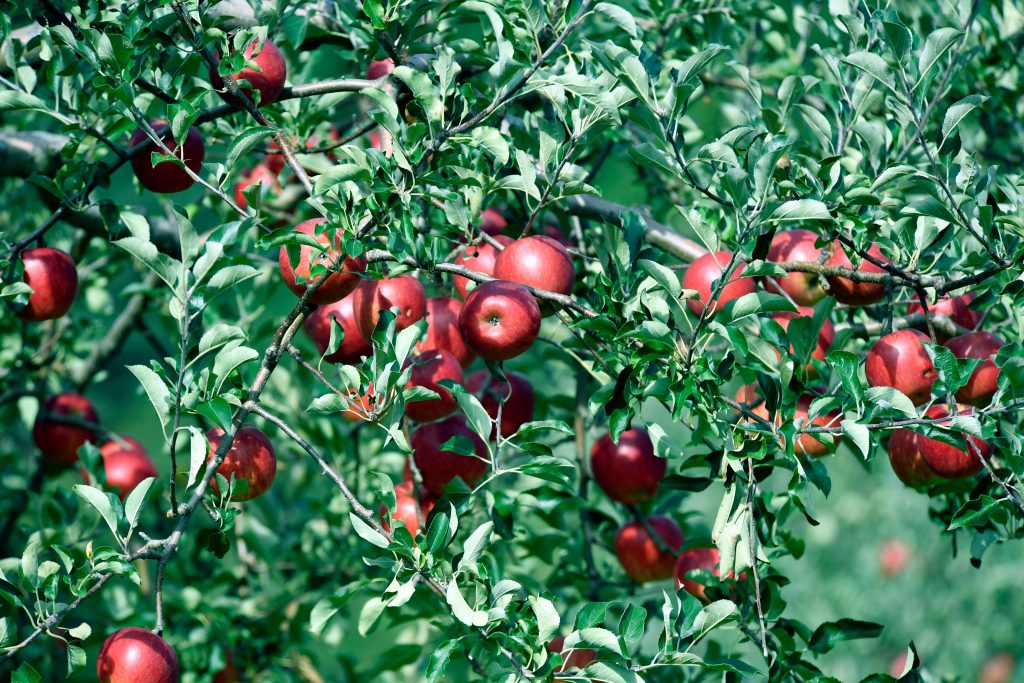
June is an important month for fruit trees and berries because the crop is no longer just setting.
It is sizing.
Apples, pears, peaches, plums, cherries, blueberries, blackberries, raspberries, strawberries, grapes, figs, citrus in containers, and other fruiting plants all begin asking more from the root system once fruit starts expanding. Leaves are fully active. Shoots are still growing. Roots are taking up water and nutrients. Fruit is becoming a real sink for plant energy. Heat is increasing. Irrigation demand is rising. Weed competition becomes more serious. Mulch starts mattering more. The difference between a steady plant and a stressed plant becomes easier to see.
Early fruit sizing is not the time to guess.
If fruit trees or berry plants are short on potassium, fruit sizing and stress tolerance can suffer. If calcium movement is uneven, fruit quality and tissue strength can be affected. If nitrogen is pushed too hard, trees and vines may grow soft shoots instead of balancing fruit and canopy. If the root zone dries out, fruit can stall, drop, crack, or size unevenly. If roots are sitting in saturated soil, nutrient uptake slows even when fertilizer has been applied.
June feeding for fruit trees and berries should be steady, not forceful.
The goal is to support fruit development, leaf function, and stress tolerance without creating excessive tender growth. That means paying close attention to potassium, calcium, water movement, and root health. It also means understanding that a fruiting plant is different from a leafy ornamental. The plant is carrying a crop. Fertility should help that crop mature, not simply make the plant look greener.
For this June window, three Supply Solutions products fit especially well: KMS 0-0-21.5 Potassium Magnesium Sulfate, Sulfate of Potash 0-0-50, and Calcium Nitrate 15.5-0-0 + 19% Ca. Each one supports a different need during fruit sizing. KMS fits where potassium, magnesium, and sulfur are needed together. Sulfate of Potash fits where potassium is the main need without additional nitrogen or magnesium. Calcium Nitrate fits where soluble calcium and nitrate nitrogen are needed during active growth.
The right choice depends on the crop, the soil, the growth stage, and the plant’s condition.
A fruit tree or berry plant has different priorities through the season.
Early spring is about bud break, bloom, root activity, and new leaf development. Bloom and fruit set depend heavily on the plant’s stored energy and spring conditions. Once fruit sets, the plant begins dividing resources between leaves, shoots, roots, and developing fruit.
By June, that balance becomes more demanding.
Fruit begins increasing in size. Leaves have to stay healthy because they feed the crop through photosynthesis. Shoots may still be growing, but excessive shoot growth can compete with fruit. Roots must keep up with water demand. Nutrients need to be available without causing imbalance.
This is where many growers, gardeners, and landscapers make one of two mistakes.
Some underfeed and assume fruit trees can carry a crop on whatever is already in the soil. The plant may remain alive and green, but fruit size, quality, and stress tolerance may suffer.
Others overfeed, especially with nitrogen. The tree responds with fast shoot growth, but fruit development may not improve. In some cases, excess nitrogen can make growth softer, increase pruning demand, reduce light penetration, and make the plant more vulnerable to summer stress.
June fertility should support fruit sizing without forcing the plant out of balance.
Potassium is one of the most important nutrients to review during fruit sizing.
It supports water regulation, carbohydrate movement, fruit development, plant strength, and stress tolerance. In practical terms, potassium helps the plant manage the heavy demand of growing fruit while also handling heat and moisture stress.
Fruit is mostly water, but it is not only water. Fruit sizing depends on leaf activity, sugar movement, cell expansion, and steady root uptake. Potassium plays a role in those processes. A plant short on potassium may still grow leaves, but it may struggle as the fruit load increases.
Potassium shortage often becomes more noticeable under stress.
Leaves may show marginal yellowing or scorching, especially on older growth. Plants may wilt faster during dry periods. Fruit sizing may feel slow or uneven. Cane fruits may look weaker. Berry plants may lose vigor. Trees may carry fruit but lack the strength to finish the crop well.
June is the time to correct potassium before the plant is under peak pressure.
Waiting until fruit is already failing to size well can limit what correction can do. Potassium should be available as the fruit is building, not only after symptoms appear.
KMS 0-0-21.5 Potassium Magnesium Sulfate fits many June fruit and berry situations because it supplies potassium, magnesium, and sulfur without nitrogen.
That matters because fruiting plants often need stress support and leaf function more than another nitrogen push.
The potassium supports water regulation, fruit development, plant strength, and stress tolerance. The magnesium supports chlorophyll and leaf function, which matters because leaves must keep feeding fruit through the heat of early summer. The sulfur supports plant metabolism and nutrient function.
The problem KMS helps solve is nutrient balance during fruit sizing where potassium alone may not be the only issue. Some fruit trees and berry plants need potassium and magnesium together, especially in sandy soils, low-magnesium soils, heavily irrigated plantings, or sites where leaf color has weakened. It can also be useful where sulfur availability is part of the fertility picture.
The timing is June during active fruit sizing, before heat and crop load become more severe. KMS fits berries, fruit trees, grapes, citrus containers, landscape fruit plantings, small orchards, gardens, and production beds where potassium, magnesium, and sulfur are needed.
It is especially useful when leaves are expected to work hard for weeks. Blueberries, blackberries, raspberries, grapes, apples, pears, peaches, plums, and container citrus all depend on healthy leaf function during fruit development.
The caution is that KMS is not a nitrogen fertilizer. If a plant is truly nitrogen deficient, KMS will not correct that directly. It also should not be applied blindly where magnesium is already high. Soil testing, leaf symptoms, and field history should guide the decision.
KMS is a strong fit when fruiting plants need potassium support and leaf-function support without extra nitrogen.
Sometimes the plant needs potassium, but not magnesium.
In that case, Sulfate of Potash 0-0-50 is often the cleaner choice. It supplies potassium without nitrogen, phosphorus, or magnesium.
That is useful in June because many fruit trees and berry plants do not need to be pushed with nitrogen during fruit sizing. They need to support fruit, handle heat, and maintain leaf health. Adding nitrogen when the plant already has enough can encourage shoot growth at the wrong time.
The problem Sulfate of Potash helps solve is potassium demand during fruit sizing and summer stress without adding nutrients that are not needed. It supports fruit development, water regulation, stress tolerance, and overall plant strength.
The timing is early to mid-June or during active fruit sizing, depending on crop and region. Apply when roots are active and soil moisture is adequate. Water it in according to directions so potassium moves into the active root zone.
This product fits apples, pears, peaches, plums, cherries, berries, grapes, melons in fruiting beds, citrus containers, and other fruiting plants where potassium is needed and magnesium is already adequate.
The caution is concentration. A 0-0-50 fertilizer is strong. More potassium is not automatically better. Excess potassium can interfere with calcium or magnesium relationships in some soils or media. That is especially important for fruit crops, where calcium movement and fruit quality matter. Use Sulfate of Potash where potassium is the actual need, and avoid heavy applications made only by habit.
Sulfate of Potash is best when potassium is the priority and the grower wants to avoid unnecessary nitrogen.
Calcium matters during fruit development because it supports cell wall strength and tissue integrity.
In many fruit crops, calcium is tied to firmness, storage quality, resistance to certain physiological problems, and stronger developing tissue. In berries and soft fruit, calcium management can be important for fruit quality, though crop response depends on the plant, soil, and management system.
The challenge is that calcium movement is not as simple as applying calcium.
Calcium moves with water through active roots. Leaves pull water strongly. Fruit may not receive calcium as easily as leaves do. If root-zone moisture swings sharply from dry to wet, calcium movement can become uneven. If soil is saturated, roots cannot function well. If roots are damaged, calcium uptake slows. If the plant is pushed with excessive nitrogen, vegetative growth may compete strongly for water and nutrients.
This is why calcium-related fruit quality problems often begin before they are visible.
Calcium Nitrate 15.5-0-0 + 19% Ca fits fruiting plants that need soluble calcium along with nitrate nitrogen during active growth.
The problem Calcium Nitrate helps solve is active calcium demand when plants are growing, leaves are functioning, and fruit is developing. It can fit certain fruit trees, berries, vegetable fruiting crops, greenhouse fruit crops, container fruit, and production systems where soluble calcium support is needed.
The timing is June during active growth and fruit development, before quality problems become widespread. It should be applied when roots are active and soil moisture is steady.
The caution is nitrogen. Calcium Nitrate supplies nitrate nitrogen. That can be useful when plants need growth support, but it can be too much where trees, vines, or berry plants are already pushing vigorous shoots. Use it with attention to plant vigor, crop stage, and the full nitrogen program.
Calcium support should always be paired with water consistency.
Nitrogen can be useful in fruit crops, especially earlier in the season or where plants are weak.
But June fruit sizing is not always the right time for a hard nitrogen push.
Excessive nitrogen can push tender vegetative growth. In fruit trees, that may mean long water sprouts, dense canopy, shading, and more pruning later. In berries, it may mean rank cane growth that is more difficult to manage. In grapes, excessive vegetative growth can shade fruit and reduce airflow. In container citrus, too much soft growth can increase water demand and pest pressure.
Fruit plants need leaves, but they also need balance.
The canopy should be strong enough to feed fruit, but open enough for light and airflow. Roots should support fruit and shoots. Nutrients should support development without pushing the plant away from production.
This is why KMS and Sulfate of Potash are especially useful June products. They support potassium needs without adding nitrogen. Calcium Nitrate has a place when calcium and nitrate nitrogen are needed, but it should be used carefully where plants are already vigorous.
A strong fruit crop comes from balance, not simply bigger leaves.
Fruit sizing depends heavily on water.
Berries can shrink, soften, or stall when moisture is inconsistent. Tree fruit may drop, crack, or size unevenly after water stress. Grapes can show berry size issues and canopy stress. Container citrus may drop fruitlets if the root zone swings too sharply. Strawberries can become small and misshapen when water, nutrients, or pollination are uneven.
Fertilizer only works when water supports uptake.
Potassium needs moisture to move to roots. Calcium moves with water into the plant. Magnesium uptake depends on active roots. If the root zone dries hard, nutrient uptake slows. If soil stays saturated, roots lose oxygen. Either condition reduces feeding efficiency.
Before applying KMS, Sulfate of Potash, or Calcium Nitrate, check soil moisture.
Do not feed a drought-stressed plant as the first response. Water first and allow roots to recover. Do not feed into saturated soil where roots cannot breathe. Wait until the soil can receive the product and roots can use it.
For fruit trees and berries, steady water is not optional. It is part of the fertility program.
Mulch can be one of the most valuable June tools for fruit trees and berries.
It reduces moisture swings, protects soil from heat, suppresses weeds, and helps keep the root zone more stable. Berries, young trees, container fruit moved into larger pots, and shallow-rooted fruiting plants can all benefit from a protected root zone.
But mulch must be managed correctly.
Do not pile mulch against tree trunks, berry crowns, grape trunks, or plant stems. Keep mulch pulled back slightly to avoid holding moisture against bark and crowns. Avoid very thick mulch that sheds water or prevents fertilizer from reaching the soil. Do not apply granular fertilizers on top of dry mulch and expect a strong response.
When applying KMS or Sulfate of Potash, pull mulch back, apply to the soil around the active root zone, water in, then replace mulch lightly. For Calcium Nitrate, make sure the application reaches the soil and root zone where water can carry calcium into the plant.
Mulch supports fertilizer performance by stabilizing the root environment.
Apples and pears often enter an important fruit-sizing stage in June.
The tree is supporting leaves, shoots, roots, and developing fruit. Depending on crop load and thinning, the tree may be carrying more fruit than it can size well. If the crop load is heavy, fruit size can suffer even if fertility is adequate. If the tree is overfed with nitrogen, vegetative growth may become too strong and shade the fruit.
Potassium becomes important because it supports fruit development and stress tolerance.
Where potassium and magnesium are both needed, KMS can fit. It supports potassium demand and magnesium-driven leaf function without adding nitrogen.
Where potassium is the main need, Sulfate of Potash may be more appropriate because it supplies potassium without magnesium or nitrogen.
Where soluble calcium and nitrate nitrogen are needed, Calcium Nitrate can fit, but use it carefully. Apples and pears that are already pushing vigorous shoots may not need additional nitrogen. Calcium support should be matched to the tree’s vigor and fruit quality goals.
June apple and pear care should also include thinning where appropriate, irrigation review, weed control, and canopy light management. Fertilizer alone cannot size a crop that is overloaded.
Stone fruit can be sensitive to water stress during fruit sizing.
Peaches, plums, nectarines, apricots, and cherries depend on consistent moisture, healthy leaves, and balanced nutrition as fruit develops. Dry stress during sizing can reduce fruit size. Heavy rain after dry periods can contribute to cracking in some crops. Excessive nitrogen can push vigorous shoots and reduce canopy balance.
Potassium is valuable in this stage.
For stone fruit plantings where potassium and magnesium are both needed, KMS can support leaf function and fruiting demand. Where potassium is needed without additional magnesium or nitrogen, Sulfate of Potash can fit.
Calcium Nitrate can fit situations where calcium and nitrate nitrogen support are appropriate, but it should be used with attention to vegetative vigor. Stone fruit trees that are already pushing strong shoot growth do not need careless nitrogen.
For stone fruit, moisture consistency is essential. A good potassium or calcium program performs best when roots are not swinging from drought stress to saturation.
Blueberries are shallow-rooted and sensitive to soil conditions.
They need acidic soil, steady moisture, good organic matter, and careful fertility. Their roots do not explore deeply like many tree crops. In June, berries may be sizing, ripening, or preparing for harvest depending on region and variety. This is a demanding stage, and dry stress can reduce fruit size quickly.
Potassium matters for blueberries, but product selection should respect soil pH and existing nutrient balance.
KMS can fit blueberry systems where potassium, magnesium, and sulfur are needed, especially where soil testing supports the choice. The sulfur component can be useful in acid-loving crop programs, though pH management should still be guided by testing.
Sulfate of Potash can fit where potassium is needed without nitrogen or magnesium. It is useful when the grower wants potassium support during fruit sizing without pushing vegetative growth.
Calcium Nitrate should be used carefully in blueberry systems because blueberries have specific nitrogen and pH preferences. It may not be the first choice for many blueberry plantings unless the overall program and crop need support that decision.
For blueberries, moisture and mulch are often the difference between strong fruit sizing and small, stressed berries. Keep the root zone evenly moist and protected.
Cane berries have a lot happening in June.
Floricanes may be fruiting. Primocanes may be growing for next year’s crop. Leaves are feeding berries. Roots are supporting both current fruit and future cane growth. The plant is managing two seasons at once.
That makes balanced nutrition important.
Too little fertility can reduce berry size and cane strength. Too much nitrogen can create excessive soft cane growth. Potassium supports fruit development, water regulation, cane strength, and stress tolerance.
KMS fits cane berry plantings where potassium and magnesium are both needed. The magnesium supports leaf function, while potassium supports fruiting and stress resilience.
Sulfate of Potash fits where potassium is the main need and the grower wants to avoid adding nitrogen.
Calcium Nitrate can fit certain situations where soluble calcium and nitrate nitrogen are appropriate, but cane berries should not be pushed into rank growth at the expense of fruit quality and cane manageability.
Mulch, weed control, trellising, and water consistency are important for raspberries and blackberries. A tangled, dry, weed-competitive planting will not respond as well to fertilizer as a well-managed row.
Strawberry timing varies by region and production system.
In many areas, June-bearing strawberries are fruiting or finishing fruiting in June. Day-neutral strawberries may continue flowering and fruiting over a longer period. The plant’s needs depend on whether it is sizing fruit now, recovering after harvest, or building crowns and runners for future production.
During fruit sizing, potassium and water consistency matter.
KMS can fit where potassium, magnesium, and sulfur support are needed. Sulfate of Potash can fit where potassium is the main need without more nitrogen. These products support fruiting demand without forcing excessive leafy growth.
Calcium Nitrate can provide soluble calcium and nitrate nitrogen where appropriate, but strawberries are sensitive to salts and root-zone stress, so rates and timing should be handled carefully.
After harvest, strawberries still need care. They should not be forgotten. The plant needs to recover and rebuild. Fertility should match the system, whether the bed is renovated, maintained, or replanted.
June strawberry management should look beyond the current berry and think about plant strength after harvest.
Grapevines can grow aggressively in June.
Shoots lengthen, leaves expand, clusters develop, and vines may need training, tying, and canopy management. Fertility should support vine health and fruit development, but excessive nitrogen can create dense canopy growth that shades fruit and reduces airflow.
Potassium is important for grapes, especially as berries develop.
Where potassium and magnesium are both needed, KMS can fit. Magnesium matters for leaf function, and potassium supports fruiting and stress tolerance.
Where potassium is needed without magnesium or nitrogen, Sulfate of Potash may be the better fit.
Calcium Nitrate can fit only where calcium and nitrate nitrogen make sense for the vine’s condition and management plan. It should not be used to push vines that are already overly vigorous.
For grapes, leaf function matters, but light penetration matters too. Potassium feeding should work alongside shoot positioning, weed control, irrigation, and disease management.
Citrus, figs, blueberries, strawberries, dwarf fruit trees, patio berries, and other fruiting plants are often grown in containers.
Containers are less forgiving than ground soil.
They dry faster. Nutrients leach with watering. Roots are limited. Potting mix heats quickly in June sun. A plant may be watered daily and still become nutrient-depleted. Another container may stay too wet because drainage is poor.
For container fruit, feeding should be lighter and more consistent.
KMS may fit where potassium, magnesium, and sulfur are needed, but container rates must be measured carefully. Sulfate of Potash can support potassium needs without nitrogen, but it is concentrated and should be used cautiously in containers. Calcium Nitrate can fit where soluble calcium and nitrate nitrogen are needed, but it should not be applied to dry, wilted plants.
Water first when containers are dry. Let roots recover. Feed according to directions. Make sure pots drain freely and do not sit in fertilizer runoff.
Container fruit plants need consistency more than strength.
June fruit drop is common in many fruit trees.
Some drop is natural. Trees often shed fruit they cannot carry. Poor pollination, weather stress, heavy crop load, dry soil, root stress, nutrient imbalance, insect injury, or disease can also increase drop.
Fertilizer is not always the answer.
If a tree is overloaded, thinning may matter more than feeding. If the soil is dry, water comes first. If roots are saturated, oxygen comes first. If the crop was poorly pollinated, fertilizer will not fix that fruit. If insects are damaging fruit, fertility will not remove the pest pressure.
That said, balanced nutrition helps the plant carry an appropriate crop.
Potassium support from KMS or Sulfate of Potash can help fruiting plants manage crop load and stress where potassium is needed. Calcium support from Calcium Nitrate can fit where soluble calcium and nitrate nitrogen are appropriate.
But fruit drop should always be diagnosed before fertilizer is used as the only correction.
Weeds around fruit trees and berries are more costly in June than many growers realize.
A few weeds in early spring may not seem like much. By June, weeds are actively pulling water and nutrients during the same period fruit is sizing. In young orchards, berry rows, grape plantings, and container areas, weed competition can reduce growth and fruit development.
Weeds also interfere with fertilizer placement.
If KMS, Sulfate of Potash, or Calcium Nitrate is applied into a weedy zone, some of the nutrients support weeds rather than the crop. Water intended for fruit sizing may also be lost to competition.
Keep the root zone around fruit plants clean and mulched where appropriate. Do not cultivate deeply near shallow-rooted berries or young trees. Pull weeds carefully or manage them before they become large. Keep mulch away from trunks and crowns.
Fertility works better when the crop is not fighting weeds for every inch of moisture.
Fruit trees and berries are long-term plantings.
That makes soil testing especially important. A garden bed can be adjusted every season, but an orchard, berry row, or grape planting builds history over time. Nutrients accumulate or decline. pH shifts. Organic matter changes. Potassium may be low in one block and adequate in another. Magnesium may be high or low. Calcium may be present but poorly moved into fruit because of water inconsistency.
A soil test helps determine whether KMS, Sulfate of Potash, or Calcium Nitrate fits the actual need.
Without testing, growers may repeat the same fertilizer program every year and slowly create imbalance. Too much potassium can affect calcium and magnesium relationships. Too much nitrogen can create excessive shoot growth. Too little potassium may reduce fruiting strength. Incorrect pH can limit nutrient availability.
Testing does not replace observation. It makes observation more useful.
Start with crop stage.
Is the plant setting fruit, sizing fruit, finishing harvest, or building next year’s wood? A blueberry plant sizing berries needs a different approach than a young apple tree with little crop. A fruiting blackberry row needs different support than a container citrus plant flushing new growth.
Then check plant vigor.
If growth is weak and pale, nitrogen may be part of the issue. If growth is excessive and soft, avoid more nitrogen. If leaves are healthy but fruit is sizing under heat stress, potassium may be the better focus. If calcium-related quality concerns exist, soluble calcium and water consistency should be reviewed.
Then check water.
Is the root zone evenly moist? Are plants mulched? Are containers drying daily? Are trees on slopes drying faster than low areas? Are berries competing with weeds? Are roots in saturated soil after storms?
Then choose the product.
Use KMS 0-0-21.5 Potassium Magnesium Sulfate when potassium, magnesium, and sulfur are all needed to support fruit sizing, leaf function, and stress tolerance.
Use Sulfate of Potash 0-0-50 when potassium is the main need and the grower wants to support fruit development and summer resilience without added nitrogen or magnesium.
Use Calcium Nitrate 15.5-0-0 + 19% Ca when soluble calcium and nitrate nitrogen fit the crop stage, plant vigor, and production system.
Apply products around the active root zone, not piled at the trunk or crown. Water in properly. Avoid applying to dry-stressed or saturated plants. Keep weeds managed. Maintain mulch correctly.
Fruit plants respond best when fertility, water, and crop load are managed together.
June fruit development is not a moment to force the plant.
It is a time to support what the plant is already trying to do. Leaves need to stay healthy. Roots need steady moisture and oxygen. Fruit needs potassium, calcium, and balanced nutrient movement. The canopy needs enough vigor to feed the crop without becoming overly soft or shaded. The root zone needs to stay protected from weeds, drought swings, and saturation.
Potassium helps fruiting plants carry water demand, fruit development, and heat stress. Magnesium supports the leaves that feed the crop. Sulfur supports plant metabolism. Calcium supports tissue strength and fruit quality where it is moved consistently through active roots. Nitrogen can help when needed, but it should not dominate the June program if the plant is already vigorous.
Supply Solutions offers practical products for this early fruit-sizing window. KMS 0-0-21.5 Potassium Magnesium Sulfate fits fruit trees, berries, grapes, and container fruit where potassium, magnesium, and sulfur support are needed during June stress. Sulfate of Potash 0-0-50 fits strong potassium needs where additional nitrogen or magnesium is not part of the correction. Calcium Nitrate 15.5-0-0 + 19% Ca fits systems where soluble calcium and nitrate nitrogen are needed during active fruit development. Used with steady watering, clean root zones, proper mulch, soil testing, and careful crop-stage timing, these products help farmers, gardeners, orchard managers, landscapers, and container growers support fruit trees and berries through June fruit sizing without pushing unnecessary soft growth. Contact Supply Solutions for help choosing the right fertility program for berries, orchard trees, grapes, patio fruit, or small farm fruit production.
June is an important month for fruit trees and berries because the crop is no longer just setting. It is sizing. Apples, pears, peaches, plums,
Organic fertilizer behaves differently in June than it does in early spring. In March or April, soil may still be cold, wet, and slow. Roots
Give us a call or visit our store, and we’ll help you find the right solution for your business.
© Supply Solutions LLC 2026