

Uncategorized
What Pale New Growth Means In June
Pale new growth gets attention fast. A plant may look healthy from a distance, but when the newest leaves come out light green, yellow, striped,
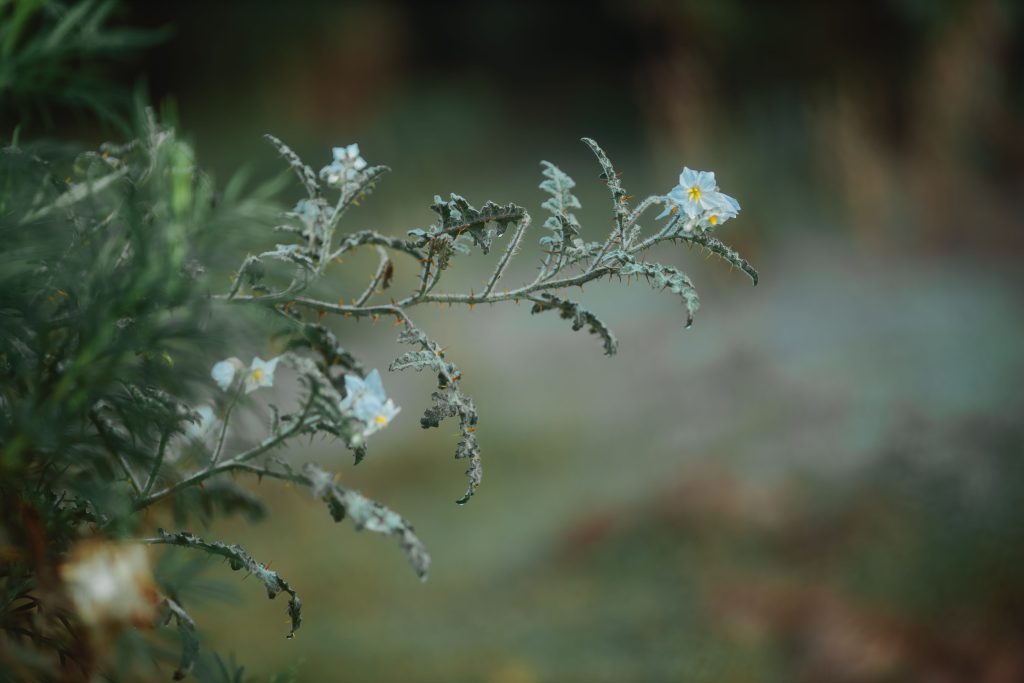
Pale new growth gets attention fast.
A plant may look healthy from a distance, but when the newest leaves come out light green, yellow, striped, or washed out, growers know something is off. In June, that kind of symptom can show up on vegetables, flowers, lawns, shrubs, fruit crops, containers, greenhouse plants, hanging baskets, and landscape beds. It can be subtle at first, then become obvious as heat, water demand, and crop growth increase.
The first reaction is often to add nitrogen.
Sometimes that is the right move. But pale new growth is not always a nitrogen problem. In many cases, nitrogen shortage shows more strongly on older leaves first because nitrogen moves easily inside the plant. Pale new growth can point toward other issues, including sulfur deficiency, iron or micronutrient availability, high pH, waterlogged roots, cold or damaged roots, compaction, salt stress, or a growing medium that has been leached by frequent watering.
That is why June diagnosis matters.
By June, plants are under more pressure than they were in spring. Roots are expected to feed bigger leaves, flowers, fruit, and new shoots. Watering is more frequent. Rainfall may have moved nutrients out of sandy soils and containers. Potting mixes may be running low. Flower baskets may be leaching nutrients every day. Heavy spring rain may have reduced sulfur availability in certain soils. High-pH media can make iron difficult for plants to use. A plant may have nutrients nearby but not be able to take them up because roots are too wet, too dry, too hot, or damaged.
Pale new growth is a message. It is not a diagnosis by itself.
The grower has to read where the symptom appears, what the plant is, what the soil or media is doing, how the plant has been watered, and what has already been applied. A pale petunia basket in June has a different likely cause than pale sweet corn. A pale citrus container has a different problem set than pale turf. A pale tomato growing in wet clay needs a different response than pale calibrachoa in a hanging basket.
For this June topic, three Supply Solutions products fit naturally: Ammonium Sulfate 21-0-0 + 24% Sulfur, Jack’s Classic 20-6-22 Petunia Feed Water-Soluble Fertilizer, and Azomite Granular. Ammonium Sulfate fits when pale growth is tied to nitrogen and sulfur demand. Petunia Feed fits petunias, calibrachoa, and other iron-hungry annuals in containers and baskets. Azomite Granular fits broader trace mineral support as part of a soil-building program, not as an emergency quick fix.
Used correctly, these products help growers respond to pale new growth with more precision instead of guessing.
The location of yellowing tells part of the story.
Older leaf yellowing often points toward mobile nutrients. Nitrogen, magnesium, and potassium can move from older leaves to newer growth when the plant is short. That is why deficiencies of those nutrients often show first on lower leaves or older foliage.
Pale new growth points growers toward a different group of questions.
New leaves may pale when nutrients that do not move easily inside the plant are limited or unavailable. Iron, sulfur, calcium, and some micronutrients often show more clearly in new growth, though symptoms vary by crop and conditions. New growth can also pale when roots are struggling and cannot supply the actively expanding leaves.
This distinction is not perfect, but it is useful.
If the oldest leaves are yellowing first, nitrogen or magnesium may be worth checking. If the newest leaves are pale while older leaves stay green, look more closely at sulfur, iron, pH, root health, waterlogging, container leaching, and micronutrient availability.
In June, new growth is especially revealing because plants are growing quickly. A shortage may show up within days on fresh leaves, especially in containers, sandy soils, or high-demand crops.
Plants grow quickly once June warmth settles in.
Corn stretches. Tomatoes branch. Peppers begin steady growth. Cucumbers and squash run. Annuals bloom and expand. Baskets trail. Turf recovers from mowing. Shrubs push new shoots. Fruit trees may still be producing fresh growth while sizing fruit.
That rapid growth increases demand for nutrients.
If the root zone cannot keep up, new growth may emerge pale. This can happen even if older leaves still look acceptable. The plant is trying to build new tissue, but the supply of key nutrients is short, unavailable, or moving too slowly.
Several June conditions make this more likely:
A June plant is not just surviving. It is building. Pale new growth often means the building materials are not arriving fast enough.
Sulfur deficiency is easy to overlook.
For years, many growers thought first about nitrogen when they saw pale plants. Nitrogen is still important, but sulfur deserves more attention, especially after wet springs, in sandy soils, low-organic-matter soils, high-yielding systems, and frequently irrigated areas.
Sulfur is needed for protein formation, chlorophyll development, enzyme activity, and overall plant growth. When sulfur is short, plants may look pale, yellow-green, or slow. Because sulfur does not move through the plant the same way nitrogen does, symptoms can appear more evenly across the plant or show more strongly in newer growth.
That can confuse diagnosis.
A crop may look nitrogen deficient, but nitrogen alone may not fully correct it if sulfur is the limiting nutrient. This is common enough that pale new growth in June should make growers ask whether nitrogen and sulfur are both part of the issue.
Ammonium Sulfate 21-0-0 + 24% Sulfur fits this situation well because it supplies both nitrogen and sulfur.
Ammonium Sulfate 21-0-0 + 24% Sulfur is useful when pale growth suggests the plant may need both nitrogen and sulfur.
The nitrogen supports green growth and vegetative development. The sulfur supports chlorophyll formation, protein development, and plant metabolism. In June, that combination fits many crops that are growing fast and may have lost nutrients through spring rain or irrigation.
The problem Ammonium Sulfate helps solve is pale, slow, or weak growth where nitrogen alone may not be enough because sulfur is also needed. This can apply to corn, brassicas, onions, garlic, grasses, turf, vegetables, small farm crops, and certain landscape or garden situations where sulfur demand is part of the fertility picture.
The timing is June when plants are actively growing and roots can use the nutrients. It fits early summer correction after heavy rainfall, in sandy soils, in low-organic-matter soils, or where sulfur has not been part of the program.
The caution is soil pH. Ammonium Sulfate is acid-forming over time. That can be useful in some situations, especially where acid-loving crops or high-pH soils are involved, but it should be used with awareness. Repeated use should be guided by soil testing. It should also be applied at proper rates and watered in correctly.
Ammonium Sulfate is not the answer to every pale leaf. It is the answer when nitrogen and sulfur fit the actual need.
Some plants are especially sensitive to iron availability.
Petunias and calibrachoa are common examples. They can look beautiful in May, then become pale in June as watering increases, media fertility drops, pH shifts, or iron becomes less available. The newest growth may turn light green or yellow while veins stay somewhat greener. Blooms may slow. Stems may stretch. The basket or container begins losing the strong color it had at purchase.
This problem is common in hanging baskets and containers because the root zone is small and fertilizer leaches quickly.
Petunias and calibrachoa are also heavy feeders. They need steady nutrition through active bloom. If the feeding program is inconsistent, they can fade quickly. If media pH is too high, iron may be present but unavailable. If the basket dries hard every afternoon, roots cannot take up nutrients properly. If the basket stays wet, roots may be damaged.
This is where a targeted feed matters.
Jack’s Classic 20-6-22 Petunia Feed Water-Soluble Fertilizer is designed for petunias and other iron-hungry annuals that need steady feeding and color support.
Jack’s Classic 20-6-22 Petunia Feed fits June containers and baskets where petunias, calibrachoa, and similar annuals are paling.
Its 20-6-22 analysis supplies nitrogen for active growth, lower phosphorus than a bloom-booster formula, and strong potassium support for flowering annuals under heat and frequent watering. It is designed for petunias and other iron-hungry plants, making it a practical fit when new growth begins losing color.
The problem Petunia Feed helps solve is fading color, pale new growth, and weakening performance in petunia-type annuals during active summer growth. It is especially useful in hanging baskets, patio containers, window boxes, and commercial annual displays where frequent watering has reduced nutrient reserves.
The timing is June when baskets and containers are actively growing and blooming. It should be used before plants are severely exhausted. A pale but still active basket is easier to support than one that has dried hard repeatedly, lost most leaves, and stopped growing.
The caution is root-zone condition. Do not apply Petunia Feed to a dry, wilted basket as the first response. Water first and rehydrate the root ball. Do not apply it into a waterlogged container with poor drainage. Use proper dilution and avoid overfeeding, because small containers can accumulate salts.
Petunia Feed works best when watering, drainage, grooming, and feeding all line up.
Azomite Granular fits pale-growth discussions differently than Ammonium Sulfate or Petunia Feed.
Azomite is used as a natural mineral product that supplies a broad range of trace minerals. It is best understood as a soil-building and trace mineral support product. It is not a fast rescue for severe nitrogen, sulfur, or iron deficiency. It should not be positioned as a quick fix for pale new growth in the same way a targeted fertilizer might be.
The problem Azomite Granular helps solve is limited trace mineral diversity in soils, gardens, raised beds, landscapes, lawns, and production areas where growers want to support a broader nutrient background. Trace minerals are needed in small amounts, but they influence plant processes, enzyme systems, and overall growth.
The timing is during bed preparation, soil maintenance, seasonal feeding programs, or active growth when the product can be applied to soil and watered in. In June, it can fit gardens, raised beds, lawns, orchards, berry rows, perennial beds, flower beds, and landscape areas where trace mineral support is part of the program.
The caution is expectation. If new growth is pale because a petunia basket needs iron-focused feeding, use Petunia Feed. If corn or brassicas need nitrogen and sulfur, use Ammonium Sulfate. Azomite Granular belongs in the program when the goal is broader mineral support over time, not urgent correction of a visible deficiency.
Azomite helps build the background. It does not replace diagnosis.
A plant can have nutrients present in the soil and still be unable to use them.
Soil pH affects nutrient availability. When pH is too high or too low for a crop, certain nutrients become harder for roots to take up. Iron is a common example. In high-pH soils or container media, iron may be present but unavailable, causing pale new growth. This is especially common in iron-sensitive crops such as petunias, calibrachoa, blueberries, citrus, and some ornamentals.
Sulfur availability and nitrogen form can also interact with pH and root conditions.
This is why guessing is risky. A grower may apply more fertilizer and still see pale growth if pH is the real limitation. In containers, repeated irrigation with alkaline water can gradually shift media pH. In gardens, lime history, native soil type, compost source, and irrigation water can all influence pH.
Ammonium Sulfate can acidify soil over time, which may be useful in certain high-pH or acid-loving crop situations, but it should be used with soil testing and crop awareness. Petunia Feed fits iron-hungry annuals where pH-related iron availability is often part of the issue. Azomite Granular supports trace mineral background, but it does not correct pH by itself.
If pale new growth repeats every season, test pH.
Roots need oxygen.
After heavy June storms or overwatering, soil can stay saturated. Containers can sit in saucers. Clay beds can hold water around roots. Low lawn areas can remain soft for days. In those conditions, roots cannot take up nutrients efficiently. New growth may come out pale because the plant is not receiving what it needs, even if nutrients are present.
This is often mistaken for fertilizer shortage.
A grower sees pale new leaves and applies more fertilizer, but the roots are still oxygen-starved. The plant cannot respond well. In some cases, additional fertilizer can create more stress in a weak root zone.
Before feeding pale plants, check soil moisture.
If the root zone is saturated, wait. Let it drain. Improve airflow and drainage where possible. Keep foot traffic and equipment off wet soil. Empty saucers under containers. Avoid watering again just because leaves are pale.
Once roots recover, targeted feeding may help. Ammonium Sulfate may fit if nitrogen and sulfur are needed. Petunia Feed may fit if the plant is a petunia-type annual with active roots. Azomite may fit long-term mineral support. But none of those products should be used as a substitute for oxygen.
Wet roots cannot feed.
Dry soil creates a different problem.
Nutrients need water to move to roots. If the soil or potting mix is too dry, roots cannot access nutrients efficiently. New growth may pale because nutrient movement has slowed. The plant may also stop expanding leaves normally. Containers may shed water if the mix dries hard. Raised beds may dry first along edges. Sandy soils may run short quickly after heat and wind.
A dry plant should be watered before it is fertilized.
This is especially important with water-soluble products. Applying fertilizer solution to a dry, stressed root zone can concentrate salts around roots or run through without evenly wetting the media.
For pale petunias or calibrachoa, water the basket thoroughly first, let it recover, then use Jack’s Petunia Feed according to directions. For crops needing nitrogen and sulfur, apply Ammonium Sulfate only when soil moisture is adequate and the plant can use it. For Azomite Granular, water it in so it becomes part of the soil environment.
Dry roots do not need stronger fertilizer first. They need moisture and recovery.
Containers are one of the most common places to see pale new growth in June.
Every watering can move nutrients out of the pot. Hanging baskets, patio planters, window boxes, greenhouse pots, nursery containers, citrus pots, blueberry containers, and vegetable planters all have limited nutrient reserve. Once the original fertility is used or leached, plants can pale quickly.
The top of the plant shows what the root zone is losing.
A petunia basket may show pale new tips. A citrus container may show yellow new leaves. A tomato pot may become light green. A mixed annual container may lose color. A blueberry pot may stall if pH and nutrition are not right. Herbs may fade after repeated cutting and watering.
Product choice should match the crop.
Use Jack’s Petunia Feed for petunias, calibrachoa, and similar annuals that need targeted water-soluble support. Use Ammonium Sulfate only where nitrogen and sulfur needs fit the plant and container program. Use Azomite Granular for broader trace mineral support in soil-based systems, recognizing that granular mineral products are not quick fixes in small containers.
Containers should be fed lightly and consistently. Heavy rescue feeding in a small root zone often creates more stress.
Corn, turfgrass, pasture-type grasses, and many grass-family crops can show pale growth when nitrogen or sulfur is short.
In June, corn may be entering rapid vegetative growth. Lawns may be recovering from mowing and traffic. Sweet corn may be stretching. These plants can use nitrogen heavily, and sulfur can become limiting in certain soils.
Pale corn after heavy rain may be short on nitrogen, sulfur, or both. If new growth is pale and the whole plant lacks vigor, sulfur should be part of the review. Sandy soils, low organic matter, and frequent rainfall increase the likelihood. Turf that does not respond fully to nitrogen may also deserve a sulfur and root-zone review.
Ammonium Sulfate 21-0-0 + 24% Sulfur fits grass crops and turf situations where nitrogen and sulfur support are both needed. It can help address pale growth when sulfur is part of the limiting factor.
The timing is June while plants are actively growing and can respond. Apply with proper moisture and placement. Avoid applying to drought-stressed turf or crops without water. Avoid applying before heavy runoff-producing storms.
For grasses, pale growth is often a nitrogen conversation. In June, it should also be a sulfur conversation.
Cabbage, broccoli, cauliflower, kale, collards, mustard greens, onions, garlic, and related crops often have meaningful sulfur demand.
These crops can show pale or slow growth when sulfur is limiting, especially in low-organic-matter soils, sandy soils, or after heavy rain. Because many of these crops are also active in June, the deficiency may become more visible as growth increases.
Ammonium Sulfate can fit brassicas and alliums where nitrogen and sulfur are both needed. The nitrogen supports vegetative growth, while sulfur supports plant metabolism and crop function.
The timing is during active growth when roots can use the nutrients. For spring brassicas still growing in June or summer brassicas being established, nitrogen and sulfur balance can be important. For onions and garlic, crop stage matters. Late heavy nitrogen may not always fit if bulbs are already maturing, so the timing should match the crop’s development.
The caution is not to overapply nitrogen late. Pale growth should be read with crop stage. A young actively growing onion crop differs from garlic that is nearing harvest.
Sulfur matters, but timing still controls the usefulness of the application.
When petunias or calibrachoa turn pale, some growers reach for bloom booster first.
That may not solve the issue.
A bloom booster may support flowering in an established plant, but pale new growth in petunias and calibrachoa is often tied to overall feeding, iron availability, pH, and potassium demand under frequent watering. These plants need a formula designed for their behavior.
Jack’s Petunia Feed fits better than a generic bloom-only approach when the issue is pale growth and fading vigor in petunia-type annuals.
Its nitrogen supports active growth. Its potassium supports stress and bloom performance. Its design fits iron-hungry annuals that commonly fade in containers and baskets during June.
The timing is before the basket is severely exhausted. A plant that still has healthy roots and active growth can respond. A plant that has dried hard repeatedly, lost most leaves, and become root-bound may need trimming, rehydration, and realistic expectations along with feeding.
For petunias and calibrachoa, pale new growth is often a feeding-and-media issue, not just a bloom issue.
Trace minerals are needed in small amounts, but they matter.
They support enzyme systems, growth processes, chlorophyll-related functions, and overall plant health. A soil with poor trace mineral diversity may not support the same level of plant function as a more balanced soil. Raised beds and imported soil mixes can vary widely in mineral background.
Azomite Granular fits growers who want to support broad trace mineral coverage in gardens, lawns, landscapes, fruit plantings, flower beds, and production areas.
The timing is best as part of a planned soil program. It can be applied during bed preparation, seasonal maintenance, or active growth where it can contact soil and be watered in. It is useful for building the nutrient background of raised beds, vegetable gardens, berry rows, orchard soils, landscape beds, and lawns.
The caution is speed. Trace mineral products do not usually create the immediate visual correction people expect when they see pale new growth. If a crop needs nitrogen and sulfur now, use Ammonium Sulfate. If a petunia basket needs targeted feeding now, use Petunia Feed. Use Azomite Granular to support the broader mineral foundation over time.
Trace minerals are part of good soil management, but they are not a shortcut around diagnosis.
In many areas, irrigation water has enough alkalinity to shift container media over time.
This matters for petunias, calibrachoa, blueberries, citrus, and other plants that are sensitive to pH-driven nutrient availability. A basket or container may start the season with good media pH, then begin drifting as it is watered frequently. By June, iron availability may be reduced, and new growth may pale.
This can happen even when the grower is feeding.
The fertilizer may be present, but the plant cannot access certain nutrients well. This is one reason petunias and calibrachoa can fade despite regular watering and occasional fertilizer.
Jack’s Petunia Feed is designed for petunias and iron-hungry annuals, making it a practical tool in this situation. Still, if the underlying water or media pH is far out of range, testing and adjustment may be needed.
Ammonium Sulfate can acidify over time, but it should not be used casually in every container or crop. Azomite Granular supplies trace minerals but does not correct high pH water.
For repeated container paling, look beyond the fertilizer bag and consider the water source.
Pale new growth can come from roots that are not functioning.
Roots may be damaged by overwatering, drought, heat, compaction, insects, disease, root binding, transplant shock, salt buildup, or fertilizer burn. When roots are weak, new growth is often the first place the shortage shows because the plant cannot supply expanding tissue.
This is common in June because stress accumulates.
A hanging basket dries hard, then gets soaked. A raised bed dries along the edges. A lawn is compacted by traffic. A tomato transplant was planted too deep into cold wet soil earlier and still has weak roots. A container fruit plant is root-bound. A flower bed near pavement has hot, shallow roots.
Fertilizer can support recovery only if roots are alive and able to use it.
Before applying Ammonium Sulfate, Petunia Feed, or Azomite Granular, check the root zone. Look at moisture, drainage, smell, root color, and pot size where possible.
Pale leaves are above-ground symptoms. The cause is often below ground.
Once the right correction is made, growers should watch new growth.
Old pale leaves may not fully recover. Damaged tissue may stay pale, yellow, or weak. The best sign of improvement is healthier new leaves, stronger color in expanding growth, improved bloom, better turf response, or more vigorous crop development.
The response time depends on the problem.
A water-soluble feed like Jack’s Petunia Feed may show improvement in active baskets more quickly when roots are healthy. Ammonium Sulfate may support color and growth as nitrogen and sulfur become available and roots take them up. Azomite Granular works more as part of the soil mineral background, so its benefits should be viewed over a longer period rather than as a rapid visual correction.
If new growth remains pale after correction, keep diagnosing.
The issue may be pH, root damage, poor drainage, salt buildup, disease, pests, incorrect product choice, or a different nutrient. June plants respond when the limiting factor is corrected. If they do not respond, the limiting factor may still be present.
Start with the symptom location.
Is the newest growth pale, or are the older leaves yellowing first? New growth points toward sulfur, iron, micronutrients, pH, or root function. Older leaf yellowing may point toward nitrogen, magnesium, potassium, or natural aging depending on pattern.
Then check the plant type.
Corn, grasses, brassicas, and alliums may need nitrogen and sulfur attention. Petunias and calibrachoa may need a targeted iron-hungry annual feed. Raised beds and gardens with long-term mineral concerns may benefit from broader trace mineral support.
Then check the root zone.
Is the soil dry? Saturated? Compacted? Sandy and leached? Clay and waterlogged? Is the container root-bound? Is water running off? Has the plant been watered daily? Did heavy rain follow fertilizer?
Then choose the product.
Use Ammonium Sulfate 21-0-0 + 24% Sulfur when pale growth suggests nitrogen and sulfur are both needed during active June growth.
Use Jack’s Classic 20-6-22 Petunia Feed Water-Soluble Fertilizer when petunias, calibrachoa, and similar iron-hungry annuals are fading, paling, or losing performance in baskets and containers.
Use Azomite Granular when the goal is broader trace mineral support in gardens, lawns, beds, landscapes, fruit plantings, or production soils.
Apply products only when roots can use them. Water dry plants first. Let saturated soil drain. Feed containers carefully. Watch the next flush of growth for improvement.
Pale new growth in June should not be ignored, but it should not cause panic.
It is a signal that the plant’s newest tissue is not receiving what it needs. The reason may be nutrient shortage, nutrient availability, pH, moisture, root stress, or leaching. The grower’s job is to read the pattern before applying product.
A nitrogen-only response can miss sulfur. A bloom-only response can miss iron-hungry annual nutrition. A trace mineral product can support long-term soil balance but may not fix an immediate deficiency. A fertilizer application into dry or saturated roots may not work at all.
Good June management starts with observation, then matches the correction to the plant.
Supply Solutions offers practical products for the most common pale-growth situations. Ammonium Sulfate 21-0-0 + 24% Sulfur fits crops, turf, and gardens where nitrogen and sulfur are both part of the early summer need. Jack’s Classic 20-6-22 Petunia Feed Water-Soluble Fertilizer fits petunias, calibrachoa, baskets, containers, and iron-hungry annuals that pale as June watering increases. Azomite Granular fits broader trace mineral support for soils, beds, lawns, gardens, landscapes, and fruit plantings where long-term mineral diversity matters. Used with moisture checks, pH awareness, proper root-zone management, and careful crop-stage timing, these products help farmers, gardeners, landscapers, turf managers, and container growers correct pale new growth without guessing. Contact Supply Solutions for help choosing the right nutrient support program for June crops, lawns, flower baskets, raised beds, gardens, or landscape plantings.
Pale new growth gets attention fast. A plant may look healthy from a distance, but when the newest leaves come out light green, yellow, striped,
Fruit in containers can be productive, but it is not forgiving in June. A lemon tree on a patio, a blueberry in a large pot,
Give us a call or visit our store, and we’ll help you find the right solution for your business.
© Supply Solutions LLC 2026