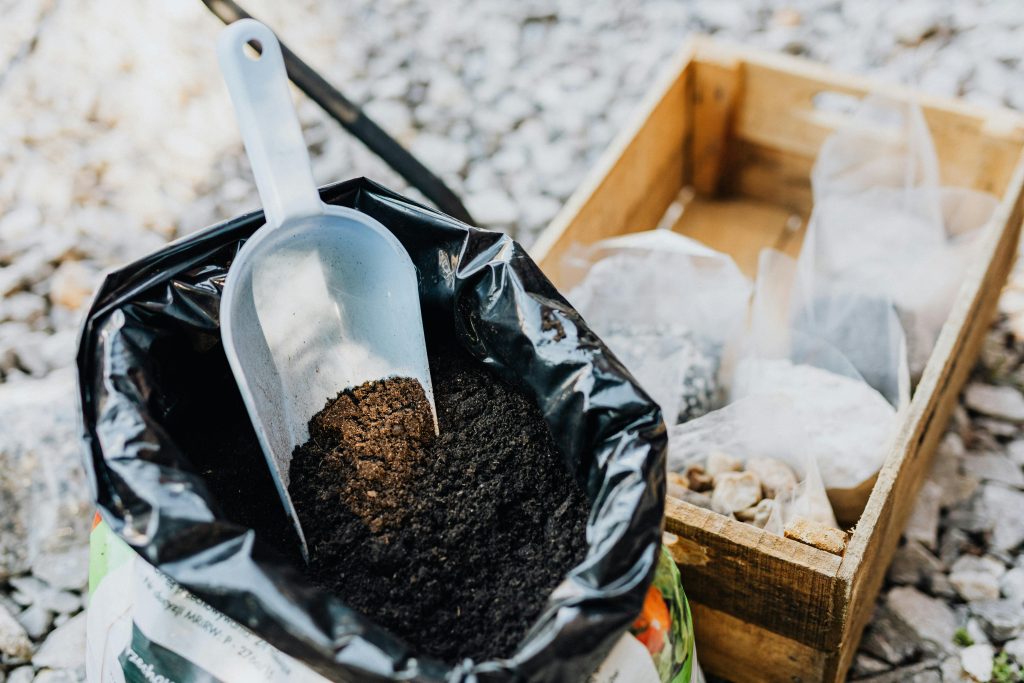
High yields don’t happen by accident — they begin with smart soil preparation long before planting season. November is one of the most strategic months for building next year’s yield potential because soil temperatures, moisture levels, and microbial activity are ideal for nutrient absorption and storage. Applying fertilizers now ensures that essential nutrients settle into […]
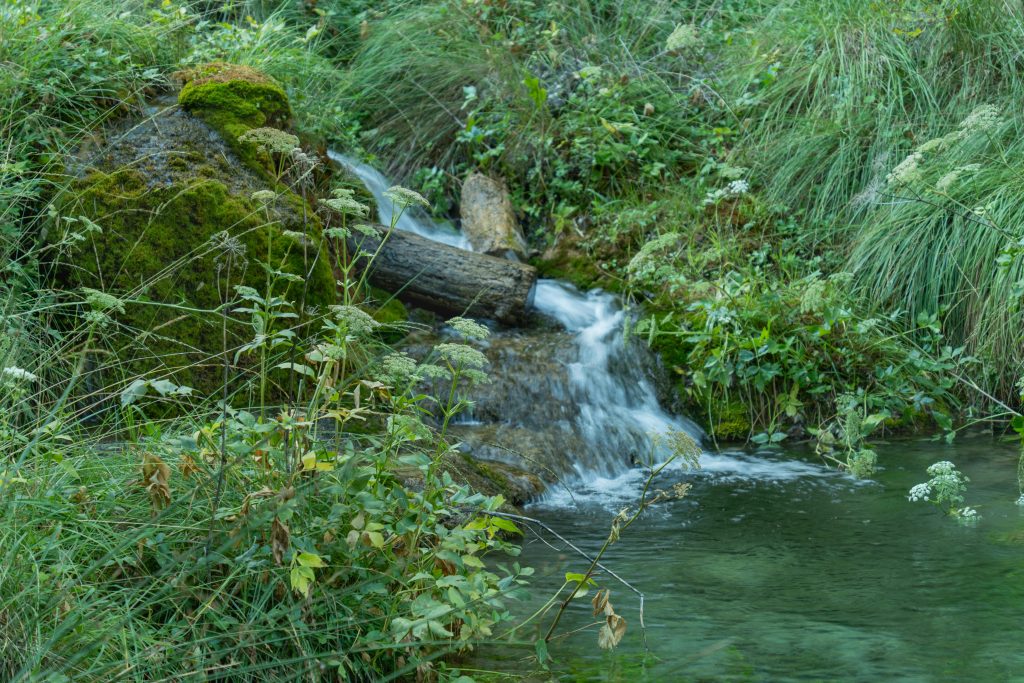
Fertigation is one of the most efficient ways to deliver nutrients directly to plant roots, especially during late-season management. However, as temperatures drop and irrigation schedules slow down, many growers struggle with clogged emitters, sediment buildup, and even damage to their fertigation equipment. These issues often come from poor system maintenance or from using fertilizers […]
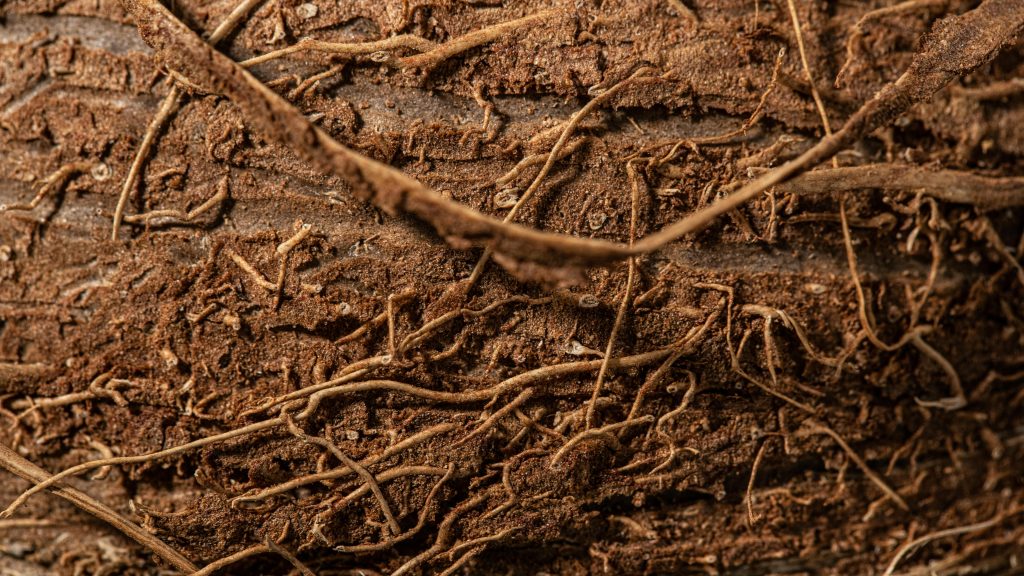
While the cold season slows growth above ground, plant roots remain active well into winter — quietly taking in nutrients, rebuilding tissues, and preparing for spring. This makes late fall one of the most important times to support the root zone, the foundation of every healthy plant. Two key nutrients play a critical role in […]
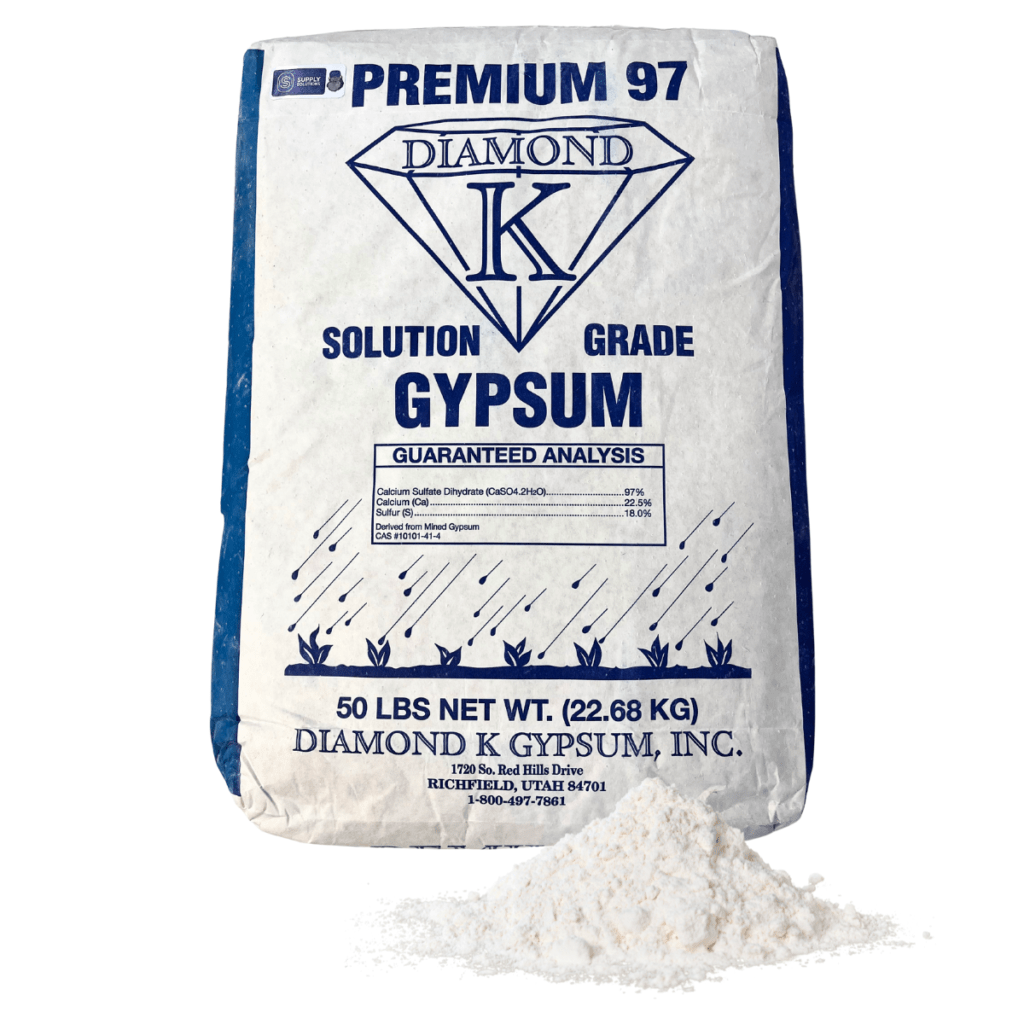
One of the biggest challenges in modern agriculture is finding the balance between productivity and sustainability. Every grower wants higher yields, but with rising fertilizer costs and stricter environmental standards, efficiency has become just as important as output. A key solution lies in using high-solubility fertilizers that minimize waste and keep nutrients where plants can […]

Fall is one of the most important times to apply fertilizer, yet it’s also when costly mistakes happen most often. Between unpredictable weather, tight schedules, and the rush to finish before the freeze, small errors in timing, product choice, or application method can lead to nutrient loss, uneven growth, or wasted investment. Knowing what to […]

Choosing the right fertilizer for your farm or garden isn’t just about brand or price — it starts with understanding what’s on the label. Those numbers and chemical symbols printed on every bag reveal the nutrient balance, solubility, and intended use. By learning how to interpret them, you can make smarter decisions that save money, […]
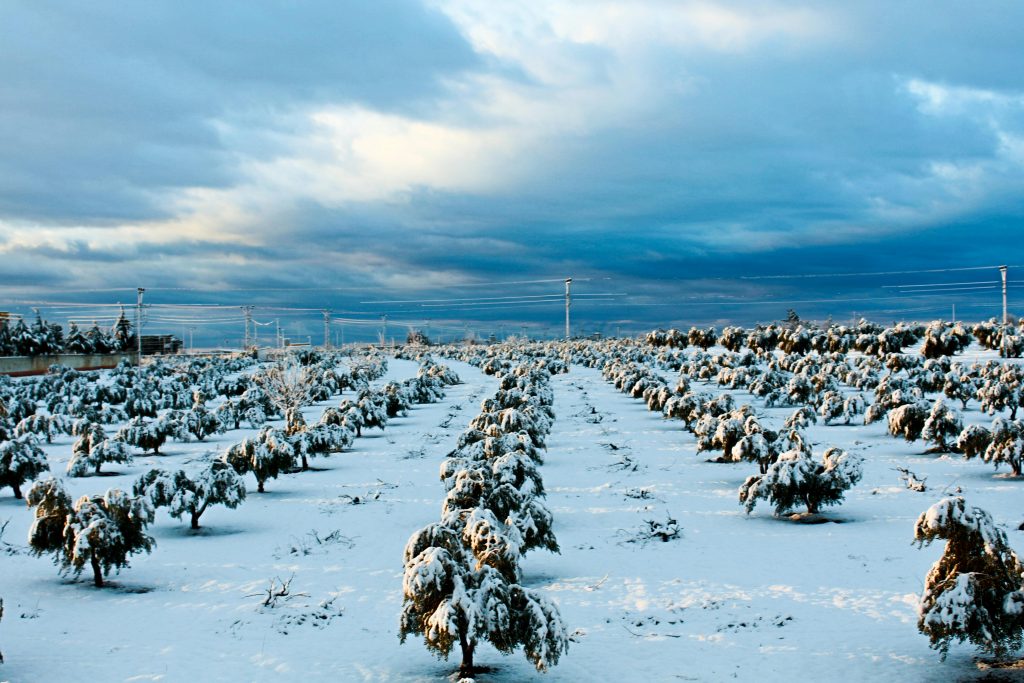
As winter approaches, farmers and gardeners alike start focusing on the final window for fertilization — the narrow period before the ground freezes. During this time, choosing the right soluble fertilizers can make a huge difference in how well your soil retains nutrients and supports early spring growth. Unlike granular fertilizers that take time to […]
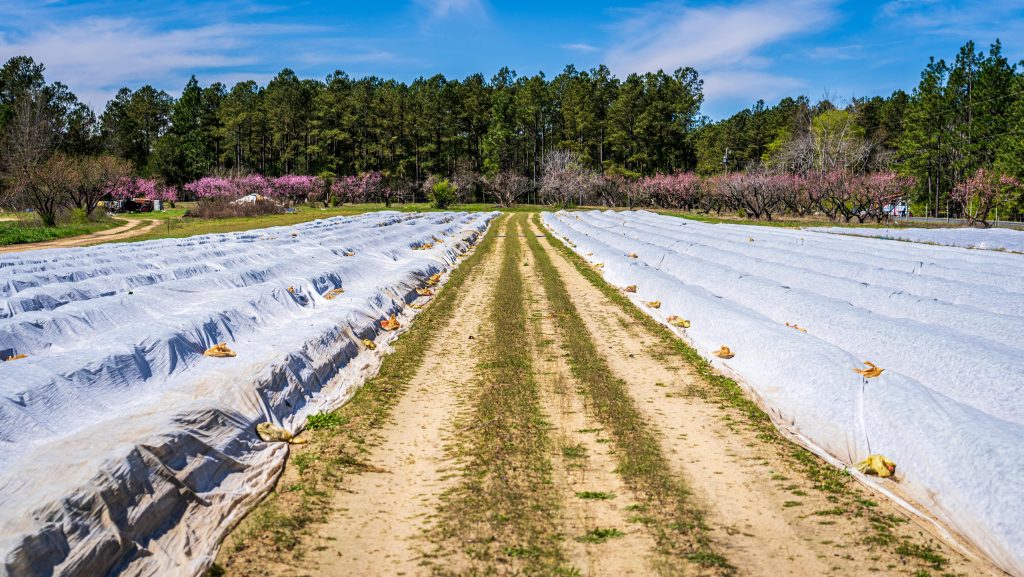
As fields enter their dormant phase, many growers view winter as a time of rest — but for the soil, it’s a season of recovery. One of the most powerful ways to maintain fertility and improve structure over the cold months is by planting cover crops and pairing them with the right fertilizers. Together, they […]
As winter approaches, one of the most overlooked opportunities in soil management is correcting pH imbalances. Many farmers wait until spring to test and amend their soils, but late fall is actually the ideal time to begin restoring balance. Applying calcium-rich and sulfur-based amendments now gives them time to react, stabilize, and prepare the soil […]

As the growing season winds down and fields go dormant, fertilizer storage becomes just as important as fertilizer selection. The way you store your fertilizers through the cold months determines whether they’ll perform at full strength when you need them again in spring. Temperature fluctuations, moisture, and improper handling can cause nutrient breakdown, clumping, or […]
