
Uncategorized
Why Clay Soils Need Structure Before More Fertilizer
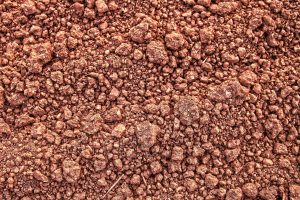
Clay soil can be some of the most productive soil a grower will ever work with. It can hold nutrients. It can hold moisture. It
Potassium does not always get the attention it deserves in May.
Nitrogen is easier to notice. When a lawn greens up, a vegetable crop starts pushing leaves, or a young planting looks stronger after feeding, nitrogen usually gets the credit. Phosphorus gets talked about at planting because roots matter early. Calcium gets attention once tomatoes and peppers start showing blossom end rot.
Potassium works more quietly.
It does not usually create the instant dark green response that nitrogen can. It does not get talked about as often as calcium in fruiting crops. But when summer heat arrives, potassium becomes one of the nutrients that helps determine whether a plant can keep functioning under pressure.
Potassium is tied closely to water movement, stomatal regulation, photosynthesis, root growth, drought resistance, stalk strength, and nutrient movement inside the plant. University of Minnesota Extension notes that potassium is associated with the movement of water, nutrients, and carbohydrates in plant tissue, and that it helps regulate stomata, which control the exchange of water vapor, oxygen, and carbon dioxide. Potassium also supports root growth, drought resistance, turgor, photosynthesis, and stronger stems.
That makes May a practical month to think about potassium. Plants are still building the roots, stems, leaves, flowers, and early fruiting structure that they will rely on through June, July, and August. If potassium is short going into summer, the crop may look acceptable for a while, then struggle once heat, drought, traffic, fruit load, or heavy flowering arrives.
The goal is not to throw potassium at every plant automatically. The goal is to recognize when potassium belongs in the May fertility plan and apply it before stress exposes the shortage.
Water stress is not only about whether the soil is dry.
A plant also has to regulate how it uses water. It must pull water through the roots, move it through the plant, cool itself, maintain cell pressure, and open or close stomata as conditions change. Potassium is part of that process.
This matters because May plants are often growing during uneven weather. One week may bring rain and cool soil. The next week may bring bright sun, wind, and fast surface drying. Lawns can move from spring softness into summer traffic quickly. Tomatoes and peppers may go from transplant recovery to rapid vegetative growth. Corn, beans, melons, squash, berries, fruit trees, and flowers all begin asking more from the root system as temperatures rise.
A potassium shortage may not show up immediately. The plant may still look green enough. But when weather turns hot, potassium-deficient plants often lose resilience faster. They may wilt more easily, develop weaker stems, produce smaller fruit, hold fewer blooms, or show leaf-edge scorching.
Utah State University Extension describes potassium as important for plant water-use regulation and notes that it encourages root growth, increases disease resistance, improves fruit quality, and supports stronger plant growth.
That is why May timing matters. By the time a crop is under full summer stress, it is harder to correct root-zone nutrition quickly. Potassium should be available before the plant needs to rely on it heavily.
Farmers, gardeners, and landscapers all know this pattern: the plant looks fine until it does not.
A lawn may look good after spring nitrogen, then thin out when mowing, traffic, and heat increase. A tomato plant may grow a large canopy, then drop flowers or produce weak fruit when the weather turns hot. A melon vine may run well early, then struggle to hold fruit size. A flower bed may bloom nicely in May, then fade hard during the first heat wave. A field crop may look even at emergence, then show stress differences later in compacted or low-potassium zones.
Potassium is not the only factor in those situations. Soil moisture, root depth, compaction, disease, pH, nitrogen balance, calcium, magnesium, irrigation, and variety all matter. But potassium is one of the nutrients that helps plants handle stress instead of collapsing under it.
May is still early enough to correct many potassium shortages. Roots are active. Moisture is often more available than it will be later. Plants are not yet at peak demand in many crops. That creates a useful correction window.
This is where products like Sulfate of Potash 0-0-50, 7-0-26 Organic Fertilizer, and KMS 0-0-21.5 Potassium Magnesium Sulfate fit naturally. Each one supplies potassium, but each one fits a different fertility situation.
The product choice should follow the crop, the soil, and the reason for applying potassium.
Sulfate of Potash 0-0-50 is a high-potassium fertilizer that supplies potash without adding nitrogen. Supply Solutions describes it as a potassium fertilizer for flowers, lawns, fruits, and gardens that supports root development, plant vigor, blooms, fruiting, stalk strength, and root development. The product page also notes that it is ultra-fine and highly soluble for rapid dissolution.
That no-nitrogen profile is important.
In May, not every crop needs more nitrogen. Some plants have already received enough nitrogen for early growth. Some fruiting crops need to begin shifting from leafy growth toward flowering and fruit development. Some lawns need stress support without being pushed into a heavy flush. Some flower beds need potassium to support bloom durability rather than more vegetative growth.
Sulfate of Potash fits those moments.
For tomatoes, peppers, cucumbers, melons, and squash, potassium becomes increasingly important as plants approach flowering and fruit set. These crops still need nitrogen, but too much nitrogen at the wrong time can push foliage ahead of fruiting balance. A potassium-focused product helps support the plant’s reproductive stage without adding more nitrogen than needed.
For flowers, potassium supports stronger stems, bloom quality, and the plant’s ability to keep functioning during heat. Annual color can look excellent in May and then fade quickly if roots, moisture, and potassium are not managed before summer stress.
For lawns, potassium helps support stress tolerance. A lawn heading into summer needs more than green color. It needs root strength, water regulation, and enough plant structure to handle mowing, traffic, heat, and dry periods.
For fruit trees and berries, potassium demand increases as fruit develops. May can be a good time to evaluate potassium, especially if soil tests show a need or if previous seasons showed weak fruit size, poor quality, or stress symptoms.
The problem Sulfate of Potash solves is straightforward: the plant needs potassium support without a nitrogen push. The right timing is before peak flowering, fruit sizing, summer heat, or turf stress. The practical caution is to avoid applying potassium blindly where soil tests already show high potassium, because nutrient balance matters.
Some growers want potassium support but also want an organic fertilizer that supplies a modest amount of nitrogen. That is where 7-0-26 Organic Fertilizer becomes useful.
Supply Solutions lists this product as an OMRI Listed organic fertilizer with 7% nitrogen and 26% potash, derived from soy protein hydrolysate and sulfate of potash. The product page describes it as supporting vegetable gardens, tomato plants, roots, sturdy stems, blooms, fruits, nutrient uptake, and soil quality. It also includes May-relevant application uses for vegetable gardens, flower beds, transplants, containers, lawns, trees, and shrubs.
The 7-0-26 analysis tells you a lot about where it fits.
The nitrogen level is present but not dominant. That makes it useful when a crop still needs some vegetative support but potassium is the main nutrient being emphasized. In May, that often fits tomatoes, peppers, squash, cucumbers, melons, flowers, and mixed garden beds that are moving from establishment into stronger growth.
For tomatoes, the timing can be especially practical. Early after transplanting, tomatoes need roots and moderate foliage. As the plant moves toward flowering, potassium becomes more important for stem strength, water regulation, and fruiting. A product like 7-0-26 can support that shift without relying on heavy nitrogen.
For organic vegetable gardens, it also fits the grower who wants to feed the crop while continuing to support the soil system. The soy protein hydrolysate component adds organic material and fits a soil-building approach, while the sulfate of potash supplies potassium.
For flower beds, the product fits where growers want stronger bloom support and plant structure without turning the program into a high-nitrogen feed. This can matter in May annual beds that are rooted and beginning to bloom but still need support before heat.
For lawns, Supply Solutions lists spring application use and recommends watering in well. That makes the product relevant for turf where organic feeding and potassium support are both desired.
The problem 7-0-26 solves is a common May issue: plants need potassium for the next growth stage, but they are not finished needing nitrogen. It is especially useful when growers want organic fertility with a higher potash emphasis.
Sometimes potassium is not the only nutrient that needs attention.
Magnesium is central to chlorophyll, and sulfur supports protein formation and plant metabolism. In real field, garden, and lawn conditions, deficiencies do not always arrive one at a time. Sandy soils, high rainfall, repeated crop removal, container systems, and long-used beds can all create situations where multiple nutrients need review.
KMS 0-0-21.5 Potassium Magnesium Sulfate fits those situations because it supplies potassium, magnesium, and sulfur together. Supply Solutions positions KMS for magnesium-poor soils and notes that it supports vegetable gardens, fruit trees, flowers, lawns, shrubs, houseplants, and other plants. The product page also lists spring lawn application and recommends soil testing for magnesium and other nutrient deficiencies.
This is a practical product for May because plants are actively photosynthesizing and building structure. If magnesium is low, leaf color and photosynthetic capacity may suffer. If potassium is low, water regulation and stress tolerance may suffer. If sulfur is low, growth and protein development can be limited.
KMS can be especially useful in:
The problem KMS solves is not simply “plants need potassium.” It solves a broader potassium-magnesium-sulfur need. That is why it is best used when soil conditions, crop history, or symptoms point toward that combination.
The timing can be May because plants are growing actively and still have time to respond before summer pressure increases. It should be watered in and applied according to product directions.
Potassium may be present in the soil, but roots still have to access it.
Soil moisture plays a large role in potassium uptake. University of Minnesota Extension notes that several factors affect potassium uptake, including soil moisture, aeration, oxygen level, soil temperature, and tillage system. Higher soil moisture generally improves potassium movement to roots, while saturated soils reduce oxygen and root activity.
That matters in May because soil moisture is often inconsistent.
In a dry bed, potassium may not move well to roots. In a saturated low spot, roots may not have enough oxygen to take it up. In compacted soil, roots may not explore enough soil volume to reach potassium reserves. In cold soil, physiological activity is slower, and uptake may lag.
This is why potassium deficiency can appear worse under stress even when soil test levels are not extremely low. A plant with shallow roots and poor soil conditions cannot use the soil as well as a plant with deep, active roots.
Before applying potassium, check the soil.
Is it moist but not saturated? Is water moving in or running off? Are roots white and expanding? Is the problem uniform, or does it follow compacted areas, low spots, or sandy zones?
Potassium fertilizer works best when the root system is ready to use it. Applying potassium to stressed roots may still be necessary in some cases, but the root-zone problem should be addressed at the same time.
Potassium deficiency symptoms can vary by crop, but there are common patterns.
Older leaves may show yellowing or browning along the edges. Leaf margins may scorch. Plants may have weak stems, slow growth, smaller fruit, poorer quality, or reduced stress tolerance. Utah State University Extension lists potassium deficiency symptoms as browning on leaf margins, weak stalks or stems, small fruits, and slow growth.
The tricky part is that these symptoms often become clearer once the plant is already under stress.
A crop may look fine in mild weather. Then a hot, windy week arrives and leaf edges burn. A lawn may look acceptable in May, then wilt quickly during early summer dry spells. Tomato plants may grow leaves well but struggle with fruit quality once fruit load increases. Flowers may bloom but fail to hold color and structure through heat.
May applications are about preventing that pattern where the soil test, crop history, or plant stage suggests a need.
A grower should not wait for severe symptoms before thinking about potassium. By then, the plant has already been limited.
Potassium is closely tied to fruit quality, fruit size, sugar movement, and plant water balance. This is why fruiting crops often need attention before the harvest period.
For tomatoes, peppers, melons, squash, cucumbers, berries, and fruit trees, potassium demand rises as flowers form and fruit begins developing. If the plant enters that stage short on potassium, quality and resilience can suffer.
Sulfate of Potash 0-0-50 fits fruiting crops when the goal is potassium without additional nitrogen. This can be helpful once the crop has enough vegetative growth and needs to support blooms and fruit.
7-0-26 Organic Fertilizer fits organic fruiting crop programs where some nitrogen is still useful but potassium is the emphasis. Tomatoes are a natural fit because the product is positioned for vegetable gardens and tomato plants.
KMS 0-0-21.5 fits fruit crops where magnesium and sulfur also need attention, especially if soil testing or crop history points that direction.
The key is not to treat potassium as an emergency fruiting nutrient. It should be part of the transition from establishment to reproductive growth.
Spring lawn programs often focus too much on nitrogen.
Nitrogen can make turf green, but potassium helps turf handle stress. A lawn going into summer will face heat, mowing, foot traffic, pets, irrigation inconsistency, and possible dry spells. If the lawn has been pushed mostly with nitrogen and the root zone is weak, it may look good for a short time and then fade.
Potassium helps the plant regulate water and maintain stronger tissue. That is why a May lawn program should consider more than color.
Sulfate of Potash 0-0-50 fits lawns where potassium is needed without adding nitrogen. This can be useful when turf already has enough nitrogen but needs stress support.
7-0-26 Organic Fertilizer fits organic lawn programs where modest nitrogen and higher potassium are desired in spring.
KMS 0-0-21.5 fits lawns that need potassium, magnesium, and sulfur support. Supply Solutions notes spring lawn application use for KMS and recommends watering it in well.
The timing is May because turf is actively growing and still has time to build resilience before summer pressure increases. The caution is to apply based on need. Soil testing is still the best way to understand whether potassium, magnesium, or other nutrients are low.
A lawn that is green but shallow-rooted is not ready for summer. Potassium belongs in the conversation because resilience matters more than spring color alone.
Vegetable crops do not all need potassium at the same time or in the same amount.
Leafy greens need potassium, but nitrogen usually gets more attention because the harvested part is foliage. Fruiting vegetables begin needing more potassium as they move toward flowering and fruiting. Root crops need balanced fertility and steady moisture, but excessive nitrogen can push top growth instead of root quality.
In May, many warm-season vegetables are transitioning. Tomatoes and peppers are rooting. Squash and cucumbers are beginning to run. Melons are settling in. Beans are emerging. Sweet corn is moving toward rapid growth. This is a good time to think about where the crop will be in two to four weeks, not just what it looks like today.
For tomatoes and peppers, 7-0-26 Organic Fertilizer can fit after establishment, when potassium support becomes more important. For cucumbers, squash, and melons, it can support vines moving toward bloom and fruit. For organic growers, it provides a high-potash option that still includes some nitrogen.
Sulfate of Potash 0-0-50 fits vegetable crops when potassium is needed without more nitrogen. This is especially useful when plants have enough leaf growth and need support for fruiting and stress tolerance.
KMS fits when magnesium is part of the issue, especially where leaves show chlorosis patterns or soil testing points to low magnesium.
The practical garden rule is to feed the crop stage. A newly transplanted plant needs establishment. A rapidly growing plant needs balanced support. A flowering and fruiting plant needs potassium, moisture consistency, and enough calcium to support fruit quality.
Potassium is important, but more is not always better.
Soil nutrients interact. Excess potassium can interfere with magnesium and calcium balance in some soils. Heavy potassium applications without soil testing can create problems, especially in intensively managed gardens, lawns, orchards, and fields that receive repeated fertilizer applications.
This is why soil testing matters.
If potassium is low, correct it. If potassium is adequate, maintain it. If potassium is high, do not apply more just because the crop is entering a potassium-demanding stage. The right decision depends on soil test levels, crop demand, soil type, yield or production goals, irrigation, and previous fertilizer history.
May is a good time to apply potassium when there is a real need. It is not a good time to apply potassium blindly.
The most practical approach is to ask what problem the product is solving.
Use Sulfate of Potash 0-0-50 when the problem is potassium need without nitrogen.
Use 7-0-26 Organic Fertilizer when the problem is a need for organic fertility with modest nitrogen and strong potassium support.
Use KMS 0-0-21.5 Potassium Magnesium Sulfate when the problem includes potassium, magnesium, and sulfur support, especially in magnesium-poor soils.
That kind of product matching prevents overapplication and keeps the program grounded.
Fertilizer can only do so much if roots are limited.
Compaction, saturated soil, drought, poor planting, root pruning, disease, cold soil, and low oxygen all reduce nutrient uptake. Potassium is no exception. If a plant has weak roots, potassium uptake suffers even when potassium is available.
This is why May potassium applications should go hand in hand with root-zone management.
For gardens, avoid walking in beds. Use mulch after soil warms. Water deeply and consistently. Do not cultivate too close to established plants. Keep fertilizer away from direct stem contact and water it in.
For lawns, mow at the right height, avoid scalping, reduce traffic on wet soil, and water deeply rather than lightly misting. If the soil is compacted, address compaction and infiltration along with fertility.
For fields, watch traffic patterns, soil moisture, compaction layers, and low-potassium zones. Potassium response often depends on root access and soil condition.
For landscapes, make sure new plantings are not trapped in dense planting holes with poor drainage. Trees and shrubs need roots moving into surrounding soil before fertility can perform well.
A potassium application is most effective when roots can reach it, moisture can move it, and oxygen is present.
May is not too early to think about summer stress. It is exactly the right time.
The plants that handle summer well are usually built before summer arrives. Their roots are active. Their soil moisture is steady. Their nutrient balance is adequate. Their potassium supply is not an afterthought.
Farmers should look at soil tests, crop stage, field history, and stress-prone zones. Gardeners should think ahead to flowering, fruiting, and water demand. Landscapers should prepare lawns and flower beds for heat, traffic, and customer expectations. Homeowners should avoid chasing green color alone and start building turf resilience.
Potassium matters because it helps plants do the quiet work of surviving and producing under pressure.
Sulfate of Potash 0-0-50 is a strong fit when potassium is needed without nitrogen, especially for flowers, lawns, fruits, and gardens. 7-0-26 Organic Fertilizer fits organic programs where plants need modest nitrogen and higher potash for roots, blooms, and fruiting. KMS 0-0-21.5 Potassium Magnesium Sulfate fits soils and crops that need potassium along with magnesium and sulfur.
Used properly, these products help solve real May problems before they become summer problems: weak stems, poor fruiting, shallow stress tolerance, low potassium availability, magnesium-related yellowing, and plants that cannot keep up with water demand. Match the product to the soil, apply it when roots are active, water it in well, and let soil testing guide bigger correction decisions. Supply Solutions can help farmers, gardeners, lawn managers, and landscapers choose the right potassium product for the crop stage and field conditions before summer heat exposes what May fertility missed.
Clay soil can be some of the most productive soil a grower will ever work with. It can hold nutrients. It can hold moisture. It

A greener May lawn does not start with the mower. The mower shows the result, but the real work is happening underneath the turf. Roots
Give us a call or visit our store, and we’ll help you find the right solution for your business.
© Supply Solutions LLC 2025