
Uncategorized
Fruit Trees and Berries: Feeding Through Early Fruit Sizing
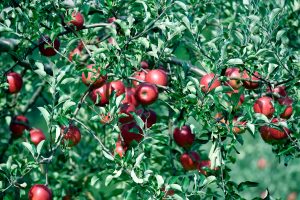
June is an important month for fruit trees and berries because the crop is no longer just setting. It is sizing. Apples, pears, peaches, plums,

Ammonium sulfate ((NH₄)₂SO₄) is widely known as a nitrogen and sulfur fertilizer, but it also has applications beyond agriculture. One lesser-known function is its potential role as an oxygen scavenger—a compound that removes dissolved oxygen from solutions, preventing oxidation damage in industrial settings.
This guide explores whether ammonium sulfate can effectively function as an oxygen scavenger, its mechanism of action, and the best applications for its use.
Oxygen scavengers are substances used to reduce or eliminate dissolved oxygen in water and chemical processes. They are essential in:
Common oxygen scavengers include sodium sulfite (Na₂SO₃), hydrazine (N₂H₄), and ammonium bisulfite (NH₄HSO₃). However, ammonium sulfate is sometimes considered due to its chemical properties and sulfur content.
Unlike conventional scavengers like sodium sulfite, ammonium sulfate does not directly react with oxygen in water to form a protective byproduct.
However, ammonium sulfate can indirectly contribute to oxygen reduction when combined with biological or catalytic processes, where sulfur is converted into sulfides or sulfites that remove oxygen.
Ammonium sulfate is not a primary oxygen scavenger in boiler water treatment but may enhance other oxygen removal processes by stabilizing pH and acting as a supplementary sulfur source.
| Scavenger | Primary Use | Direct Oxygen Removal? | Additional Benefits |
|---|---|---|---|
| Sodium Sulfite (Na₂SO₃) | Boiler water treatment | Yes | Prevents metal corrosion |
| Hydrazine (N₂H₄) | Industrial processes | Yes | Neutralizes oxygen at high temperatures |
| Ammonium Bisulfite (NH₄HSO₃) | Oil & gas, boiler feedwater | Yes | Common in refinery operations |
| Ammonium Sulfate ((NH₄)₂SO₄) | Fertilizer, water stabilization | No (Indirect) | Provides nitrogen & sulfur for pH balance |
✔ Use in Soil & Water Chemistry Adjustments
✔ Combine with Other Sulfur-Based Scavengers
✔ Not Suitable for Direct Oxygen Scavenging in Boilers
While ammonium sulfate does not function as a primary oxygen scavenger, it plays a supporting role in oxygen control by modifying pH, stabilizing water chemistry, and providing sulfur for microbial and chemical reactions.
✔ Use ammonium sulfate for long-term sulfur availability in soil & industrial applications.
✔ Combine it with dedicated oxygen scavengers like ammonium bisulfite for better results.
✔ Avoid using it as a standalone oxygen scavenger in boilers or high-temperature environments.
June is an important month for fruit trees and berries because the crop is no longer just setting. It is sizing. Apples, pears, peaches, plums,

Organic fertilizer behaves differently in June than it does in early spring. In March or April, soil may still be cold, wet, and slow. Roots
Give us a call or visit our store, and we’ll help you find the right solution for your business.
© Supply Solutions LLC 2026