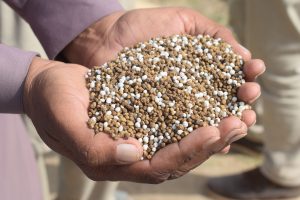
Micronutrient deficiencies are a hidden threat to plant health. While many gardeners focus on NPK—nitrogen, phosphorus, and potassium—problems often arise from missing elements like magnesium, sulfur, iron, zinc, and boron. These nutrients are needed in smaller amounts, but they’re critical for chlorophyll production, enzyme activity, and stress resistance.
Fortunately, fish-based fertilizers offer a natural, effective way to address micronutrient deficiencies—while feeding your plants and your soil at the same time.
What Are Micronutrients and Why Do Plants Need Them?
Micronutrients are essential minerals that plants need in small doses for proper functioning. Common deficiencies include:
- Iron (Fe): Leads to interveinal chlorosis (yellowing between veins) in young leaves
- Magnesium (Mg): Causes older leaves to yellow from the edges inward
- Zinc (Zn): Leads to small, distorted leaves and short internodes
- Sulfur (S): Similar symptoms to nitrogen deficiency, but on newer growth
- Calcium (Ca): Causes blossom-end rot in fruits, leaf tip burn, and poor root development
- Boron (B): Affects flowering and fruiting; buds may abort or fail to develop
- Manganese (Mn): Creates a mottled or spotted yellowing of leaves
Even in nutrient-rich soil, poor pH, heavy watering, or compacted roots can limit the uptake of these vital minerals.
How Fish Fertilizer Helps Restore Balance
Fish-based fertilizers are naturally rich in trace elements. They contain a diverse array of micronutrients derived directly from marine sources. Unlike synthetic blends, these nutrients are present in organic forms, making them easier for roots and microbes to process.
Benefits include:
- Boosts chlorophyll and photosynthesis
- Strengthens root development
- Supports flowering and fruit formation
- Increases resistance to heat, drought, and pests
- Encourages beneficial microbial activity that unlocks tied-up minerals
What’s in a Fish Fertilizer?
A high-quality fish fertilizer often includes:
- Organic nitrogen from amino acids
- Naturally occurring calcium, magnesium, and sulfur
- Trace minerals such as zinc, iron, copper, boron, and manganese
- Enzymes and hormones that enhance nutrient uptake
Some blends, such as 10-10-10 with micronutrients, combine the power of fish fertilizer with additional micronutrient packages for even more precise nutrition.
Best Practices for Deficiency Correction
1. Test First
If your plants are showing signs of distress, confirm the deficiency with a soil test or tissue analysis when possible. Many symptoms overlap (e.g., nitrogen and sulfur deficiencies can look alike).
2. Use as a Foliar Spray for Fast Results
When correcting a deficiency, foliar spraying allows the plant to absorb nutrients through its leaves in hours rather than days.
- Dilute at 1–2 oz per gallon of water
- Spray early morning or late afternoon
- Reapply weekly until symptoms improve
- Avoid spraying in extreme heat or direct sun
3. Soil Drench for Long-Term Correction
A soil drench feeds both the roots and the soil microbes that release nutrients. This approach is best for:
- Magnesium and calcium deficiencies
- Situations where foliar uptake is limited (e.g. waxy or damaged leaves)
Apply every 7–14 days for consistent improvement.
4. Pair with Micronutrient-Enhanced Fertilizers
Fish fertilizer is a great base, but pairing it with a targeted formula like 12-6-6 ornamental or 10-10-10 with micros helps restore complete balance.
5. Improve Soil Structure
Healthy soil retains micronutrients more effectively. Fish fertilizer naturally boosts organic matter and supports earthworm activity and beneficial fungi.
Sample Micronutrient Recovery Plan
For Yellowing Leaves (Iron or Magnesium Deficiency):
- Week 1: Foliar spray with diluted fish fertilizer
- Week 2: Soil drench with fish fertilizer + Epsom salts (magnesium sulfate)
- Week 3: Rotate with 10-10-10 with micronutrients
- Week 4: Apply seaweed extract to support recovery
For Blossom-End Rot (Calcium Deficiency):
- Use fish fertilizer weekly for base feeding
- Supplement with calcium nitrate to stabilize fruit development
- Maintain even soil moisture to prevent uptake disruptions
How Long Does It Take to See Results?
- Foliar correction: 24–72 hours for early response
- Soil drench: 7–10 days for root absorption
- Full recovery: 2–4 weeks depending on severity
Continued use of fish fertilizer can prevent future deficiencies by promoting better soil health, nutrient cycling, and microbial balance.
Why Choose Fish-Based Over Synthetic Micronutrients?
Fish fertilizer:
- Supports both short-term correction and long-term soil health
- Has low risk of over-application or salt buildup
- Provides a full spectrum of secondary and trace nutrients
- Works in harmony with organic and biological soil systems
Synthetic options may work faster in isolated cases but often come with side effects like pH disruption or nutrient lockout when overused.
Build a Smarter Fertilizer Plan
To ensure your plants have access to every nutrient they need:
- Use fish fertilizer regularly for organic baseline nutrition
- Supplement with calcium nitrate, Epsom salts, or NPK with micros
- Monitor your plants weekly and adjust based on visible results
For questions or help diagnosing specific symptoms, reach out to the experts at Supply Solutions LLC. We carry a full range of fish-based fertilizers, micronutrient-enriched products, and specialty formulas to restore balance and support growth.