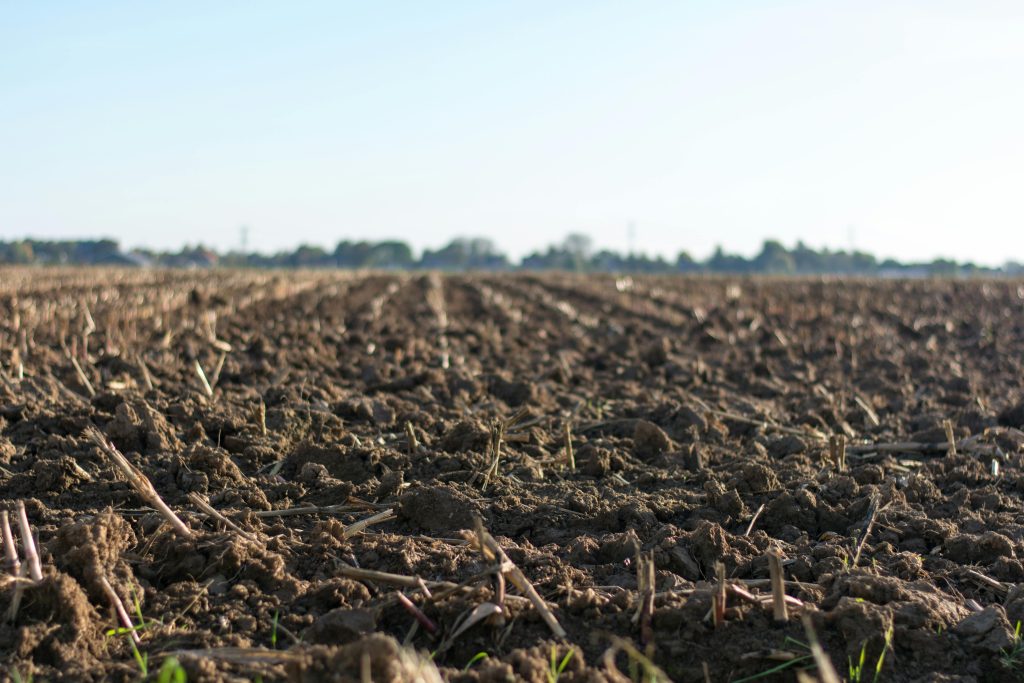
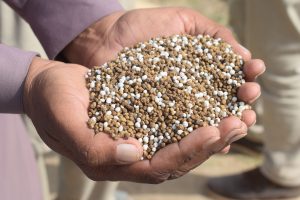
As the growing season winds down and fields prepare for dormancy, one nutrient becomes more valuable than ever — calcium. While it’s best known as a plant nutrient, calcium’s greatest power lies beneath the surface, where it transforms soil structure, restores aeration, and improves water movement.
In fall, applying calcium-rich fertilizers like Diamond K Gypsum Solution Grade from Supply Solutions LLC ensures that your soil remains porous, balanced, and ready to absorb winter moisture. Whether you’re managing pastures, vegetable plots, or commercial crops, improving soil structure now prevents compaction, runoff, and springtime waterlogging — setting your fields up for a stronger growing season ahead.
The Science Behind Calcium and Soil Structure
Soil structure refers to how soil particles — sand, silt, and clay — bind together into aggregates. Healthy soil has stable aggregates with plenty of air pockets for water and root movement. Unfortunately, over time, tillage, rainfall, and sodium buildup can destroy this structure, turning soil dense and hard.
This is where calcium comes in. Calcium ions displace sodium and magnesium on the soil’s cation exchange sites, causing particles to clump into stable, porous aggregates. This simple exchange has a major impact on how soil behaves:
- Water infiltrates more easily rather than pooling on the surface.
- Roots grow deeper due to better aeration and lower compaction.
- Microbial activity increases, improving nutrient cycling.
Without sufficient calcium, even the best fertilizer programs underperform because roots can’t reach or absorb the nutrients efficiently.
Why Fall Is the Ideal Time for Calcium Application
Fall provides the perfect window for calcium-based fertilizers to do their best work. As temperatures cool, soil microbial activity slows, allowing calcium more time to stabilize and build structure before spring tillage or planting.
Key benefits of applying calcium in late fall include:
- Winter moisture helps calcium move into compacted soil layers.
- Reduced evaporation improves nutrient retention.
- Roots can absorb calcium gradually through the dormant period.
- Soil pH remains stable before nitrogen applications in spring.
By applying before the first hard freeze, you allow the nutrient exchange process to begin when soil is still active but not under heavy plant demand.
Why Diamond K Gypsum Solution Grade Is Ideal
Diamond K Gypsum Solution Grade is one of the most effective and versatile calcium sources available. Unlike lime, which primarily affects pH, gypsum supplies soluble calcium and sulfur without changing soil pH — making it safe and beneficial for a wide range of soils.
Because it’s a solution-grade material, it dissolves completely in water, ensuring uniform calcium delivery through fertigation, broadcast, or spray applications. The sulfur component also enhances nitrogen use efficiency and improves soil microbial balance.
Benefits of using Diamond K Gypsum in fall:
- Breaks up compacted and crusted soils
- Improves drainage and infiltration
- Reduces sodium toxicity
- Strengthens root systems ahead of winter dormancy
- Promotes nutrient availability for spring crops
In short, it turns “tight” soils into living, breathing systems again.
The Link Between Calcium and Water Infiltration
Water infiltration is the process by which water enters and moves through the soil profile. Poor infiltration causes runoff, erosion, and uneven moisture distribution — common problems in clay-heavy or high-sodium soils.
Calcium solves this by flocculating (binding) clay particles into larger, more stable clusters. These aggregates form channels that let water seep downward rather than sit on the surface. Over time, this not only reduces erosion but also increases the soil’s capacity to store water where plants need it most.
Healthy infiltration leads to:
- Reduced runoff and fertilizer loss
- More consistent soil moisture levels
- Enhanced microbial activity and oxygen flow
- Improved root-zone balance during wet and dry periods
Supporting Nutrients That Complement Calcium
To maximize calcium’s structural benefits, pair it with other soluble nutrients that improve balance and efficiency.
1. Diamond K Magnesium Sulfate Solution Grade
Diamond K Magnesium Sulfate delivers magnesium and sulfur, helping maintain the cation balance that prevents soil tightness. Magnesium aids chlorophyll synthesis and energy production, while sulfur enhances calcium mobility and nitrogen uptake.
2. Muriate of Potash (0-0-60)
Muriate of Potash supplies potassium, a key player in water regulation and osmotic balance within plant cells. While calcium improves how water moves through the soil, potassium helps plants use that water effectively. Together, they create a dynamic system of soil and plant hydration.
When these three fertilizers are applied strategically in late fall, the result is a well-conditioned, balanced soil profile that holds moisture efficiently through winter and releases it evenly in spring.
Application Guidelines for Fall
- Test Before You Apply — Determine calcium, magnesium, and sodium levels to find the right rate.
- Broadcast Evenly — Apply Diamond K Gypsum Solution Grade uniformly across the field, typically at 200–400 pounds per acre.
- Incorporate Lightly or Water In — Light tillage or rainfall helps move calcium into the topsoil.
- Pair with Sulfur-Containing Products — Combining gypsum with magnesium sulfate ensures full nutrient synergy.
- Avoid Frozen Ground — Apply before hard frost to allow the nutrient exchange process to start.
Real-World Example: Improving Drainage in Central Oregon Soils
A grass seed grower in Redmond, Oregon struggled with poor infiltration and uneven drainage across compacted fields. After soil testing, they applied Diamond K Gypsum Solution Grade at 350 pounds per acre in early November. Winter rains helped carry calcium deep into the subsoil. By spring, infiltration rates had improved by over 40 percent, reducing ponding and allowing more uniform growth across the field.
The grower continued annual maintenance applications each fall and saw sustained improvement in both soil structure and fertilizer efficiency.
Common Mistakes to Avoid
- Using lime instead of gypsum: Lime alters pH, which isn’t always necessary or beneficial for fall soil structure.
- Applying after the freeze: Calcium needs moisture and microbial activity to integrate.
- Neglecting sodium testing: High sodium levels require targeted calcium correction.
- Skipping sulfur balance: Without sulfur, calcium’s benefits on structure are limited.
Each of these errors can prevent calcium from delivering its full potential benefits.
Long-Term Soil Health Benefits
Consistent calcium management leads to long-lasting improvements in soil function. Over time, fields treated with gypsum develop:
- Softer, more aerated topsoil
- Better root penetration
- Improved resilience to compaction
- More efficient water and fertilizer use
Healthy soil isn’t just productive — it’s self-sustaining. Calcium is a cornerstone nutrient that helps your soil reach that level of vitality.
Looking Ahead
Strong soil structure is the foundation of every successful growing season. Applying Diamond K Gypsum Solution Grade in fall ensures your soil remains open, absorbent, and biologically active through winter. Paired with Diamond K Magnesium Sulfate Solution Grade and Muriate of Potash (0-0-60), you create a balanced, high-performing soil profile ready to support next year’s yield goals.
For expert recommendations and personalized soil improvement plans, visit Supply Solutions LLC. Reach us through our contact form, message us on Facebook, call 503-451-1622, or email sales@mysolutionssupply.com — and get your fields in shape before winter sets in.