Soil compaction is one of the most common — and costly — challenges in agriculture. It limits root growth, reduces oxygen flow, and prevents water and nutrients from penetrating deeply into the soil profile. The result? Weaker plants, reduced yields, and inefficient fertilizer use.
Fortunately, there’s a simple, proven solution: gypsum. Applying gypsum in fall not only corrects compaction but also helps your soil rebuild its structure naturally over winter. Products like Diamond K Gypsum Solution Grade from Supply Solutions LLC make this process easier, faster, and more efficient thanks to their superior solubility and purity.
Understanding Soil Compaction and Why It Matters
Compaction happens when soil particles are pressed too tightly together, reducing pore space. This often occurs after harvest when heavy equipment, rainfall, and repeated traffic compress the ground. Once compacted, the soil becomes dense and oxygen-deprived, forcing roots to stay near the surface instead of expanding downward.
Compacted soils cause multiple long-term issues:
- Reduced water infiltration and drainage
- Poor oxygen exchange for root and microbial respiration
- Increased runoff and erosion risk
- Uneven fertilizer distribution and nutrient uptake
When roots can’t reach deeper moisture or nutrients, plants become more vulnerable to stress, drought, and disease — problems that carry over into the next growing season.
How Gypsum Fixes Soil Compaction
Gypsum, or calcium sulfate dihydrate, works at both the chemical and physical levels to loosen soil structure. The calcium in gypsum replaces sodium on soil particles, allowing them to bind together into larger, more stable aggregates. This process — known as flocculation — increases pore space and makes the soil softer and more workable.
The sulfur in gypsum enhances microbial activity, which further breaks down organic matter and stabilizes soil aggregates. Over time, this leads to healthier, more resilient soil that resists compaction even under heavy traffic or rainfall.
Key Benefits of Using Gypsum:
- Restores porosity and air exchange
- Improves infiltration and water-holding capacity
- Strengthens soil structure for long-term stability
- Reduces surface crusting and hardpan formation
- Encourages deeper, stronger root systems
When applied in fall, gypsum works with natural winter moisture to rebuild soil structure at depth, giving roots a healthier environment by spring.
Why Diamond K Gypsum Solution Grade Stands Out
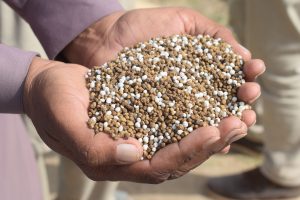
Not all gypsum is created equal. Diamond K Gypsum Solution Grade is a high-purity, solution-grade material designed for both broadcast and fertigation systems. It dissolves completely in water, ensuring even calcium and sulfur distribution throughout the soil without clogging nozzles or leaving residue.
Unlike traditional agricultural gypsum, which can take months to react, Diamond K’s fine particle size and high solubility allow for faster infiltration and quicker structural improvement. It’s the go-to choice for growers who want visible results within a single season.
The Root Connection: Why Structure Equals Growth
Healthy soil structure is directly linked to root development. In compacted soils, roots grow sideways and shallow, limiting access to nutrients and water. But when calcium improves aggregation and air exchange, roots can penetrate deeper — expanding the plant’s feeding zone and resilience.
Deeper roots mean:
- Better access to stored soil moisture
- Improved nutrient uptake efficiency
- Stronger anchorage against wind and erosion
- Increased tolerance to heat and drought stress
Applying Diamond K Gypsum in fall allows these benefits to take hold during the dormant season, preparing the soil for vigorous early spring root growth.
Application Guidelines for Fall Gypsum Use
Gypsum is most effective when applied before the ground freezes but after harvest when soils are still workable.
Recommended steps:
- Test first: Determine calcium and sodium levels to find the ideal rate.
- Apply evenly: Spread 200–400 pounds per acre of Diamond K Gypsum across compacted fields or problem areas.
- Use moisture to your advantage: Light irrigation or winter rainfall helps carry calcium deeper into the soil profile.
- Avoid heavy incorporation: Let natural precipitation do the work — deep tillage can re-compact soil layers.
Repeat applications annually or bi-annually to maintain optimal structure and prevent compaction from recurring.
Supporting Products for a Balanced Soil Recovery
Gypsum works best when paired with nutrients that promote biological and chemical balance in the soil.
1. Diamond K Magnesium Sulfate Solution Grade
Diamond K Magnesium Sulfate enhances chlorophyll production and boosts microbial activity, complementing gypsum’s calcium-based improvements in structure. Magnesium also supports enzymatic activity for root metabolism during cooler months.
2. Muriate of Potash (0-0-60)
Muriate of Potash provides potassium, which strengthens plant tissues and regulates water movement within the cells — a perfect partner for gypsum’s soil-level benefits. Together, they help plants thrive in both wet and dry conditions.
Real-World Example: Breaking Up Compaction in Central Oregon
A farmer in Prineville applied 350 pounds per acre of Diamond K Gypsum Solution Grade on compacted hay fields that showed poor water absorption and stunted root growth. After winter rains helped incorporate the product, spring soil tests revealed a 35% improvement in infiltration rates and noticeable root expansion. The following harvest season brought higher yields and more consistent forage quality across the field.
Mistakes to Avoid When Using Gypsum
- Applying after freeze-up: Frozen soil prevents gypsum from reacting properly.
- Skipping soil testing: Without knowing sodium or magnesium levels, you risk over- or under-application.
- Relying on mechanical tillage alone: Tillage loosens soil temporarily, but calcium makes lasting change.
- Ignoring complementary nutrients: Gypsum is powerful, but balanced nutrition ensures full benefits.
Avoiding these common missteps ensures that gypsum continues improving your soil long after application.
Lasting Benefits for Soil and Crop Health
When used consistently, gypsum transforms poor-performing fields into high-efficiency systems. Over time, growers see:
- Increased root biomass
- Improved drainage and moisture retention
- Stronger soil resilience to compaction
- More efficient fertilizer and water use
It’s a low-cost investment with long-term payoff in both productivity and sustainability.
Looking Ahead
Healthy soil starts with strong structure — and gypsum is the foundation for that. Applying Diamond K Gypsum Solution Grade this fall strengthens your soil from the inside out, ensuring better infiltration, healthier roots, and more resilient crops next season. Pair it with Diamond K Magnesium Sulfate Solution Grade and Muriate of Potash (0-0-60) for a complete fall conditioning program that enhances both soil and plant performance.
For customized application rates and soil improvement recommendations, visit Supply Solutions LLC. Reach us through our contact form, message us on Facebook, call 503-451-1622, or email sales@mysolutionssupply.com — and take the first step toward compact-free, high-performing soil this season.