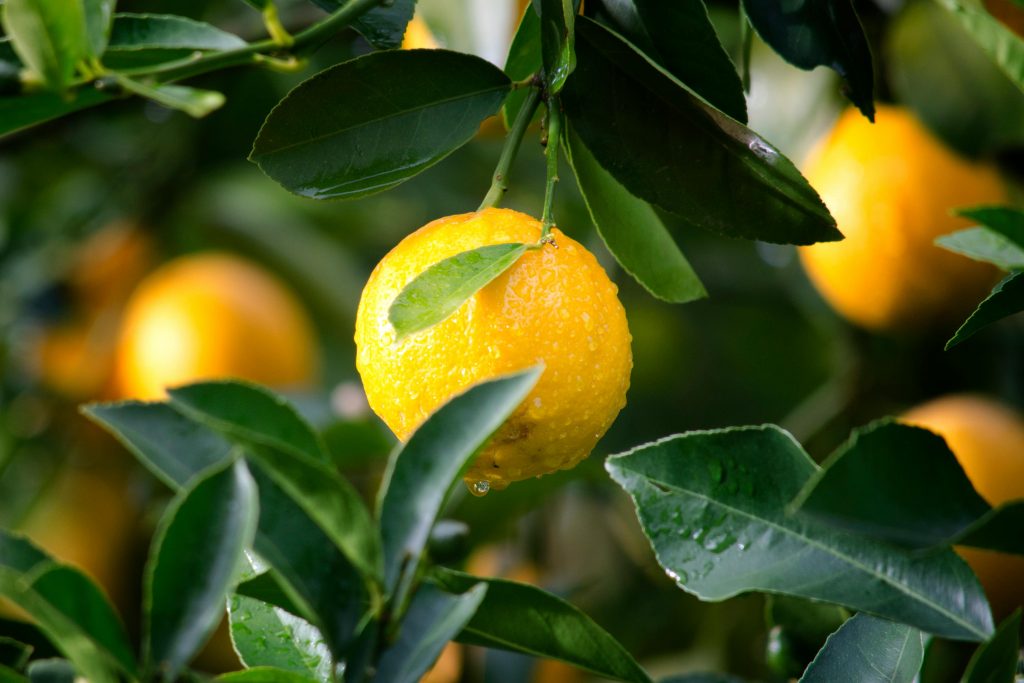
A fruit tree can be one of the best investments you make in your yard or small farm. It shades the yard, feeds pollinators, and fills the kitchen with fruit you grew yourself. But many fruit trees in the Pacific Northwest quietly underperform.
Common complaints:
- Lots of leaves, but few blossoms
- Fruit that is small, bland, or poorly colored
- Branches that break under load
- Trees that look tired or stressed heading into summer
Good pruning and pest management matter, but so does nutrition. Feeding fruit trees is about more than tossing a handful of generic fertilizer at the base each spring.
This guide will help you:
- Understand the key nutrients fruit trees need
- Read your soil and tree “body language”
- Build a simple feeding plan with nitrogen, potassium, and calcium in mind
- Use Supply Solutions products thoughtfully, without guessing
The goal is strong blossoms, firm, flavorful fruit, and trees that hold up over time.
The three big nutrients for fruit trees
Fruit trees need a full spectrum of nutrients, but three deserve special attention:
- Nitrogen (N)
Drives vegetative growth: shoots, leaves, and canopy density. Too little and trees are weak. Too much and you get lush foliage at the expense of fruit and wood strength.
- Potassium (K)
Supports fruit size, color, sweetness, and overall stress tolerance. Potassium is especially important during fruit development and for winter hardiness.
- Calcium (Ca)
Strengthens cell walls in both wood and fruit. Adequate calcium reduces issues like bitter pit in apples and improves storage quality and firmness.
Sulfur, magnesium, phosphorus, and micronutrients also play critical roles, but nitrogen, potassium, and calcium are the big three to organize around.
Start where good nutrition always starts: soil testing
Before you feed trees, find out what the soil already offers.
A standard soil test for your orchard or yard will tell you:
- pH (how acidic or alkaline your soil is)
- Organic matter levels
- Available phosphorus and potassium
- Levels of calcium, magnesium, and sometimes sulfur
- Cation balance and, if requested, sodium and salinity
Why this matters:
- Many PNW soils are somewhat acidic, which often suits fruit trees, but extremes can reduce nutrient availability.
- Potassium levels might be lower than you think, even if trees look generally healthy.
- Calcium might look adequate on paper but still be poorly distributed in the root zone, especially in compacted or tight soils.
Use the Supply Solutions soil test form to submit samples from several representative spots under your trees, then keep the results handy.
Reading your trees: visual clues
Fruit trees talk to you if you know how to listen.
Possible nitrogen issues:
- Very pale, yellow-green foliage and short annual shoot growth may indicate low nitrogen.
- Very long, whippy, dark green shoots with few flower buds may indicate excessive nitrogen.
Possible potassium issues:
- Edge burn or bronzing on older leaves, especially in drought or high-stress conditions.
- Poor fruit size, color, or sweetness despite good crop load.
Possible calcium issues:
- Bitter pit or corky spots in apple flesh.
- Soft, easily bruised fruit with poor storage life.
- Weak, brittle wood, particularly in heavily bearing branches.
These symptoms are not proof by themselves, but they are strong hints that should be considered alongside soil and, in some systems, leaf or tissue tests.
Building your spring feeding calendar
Fruit tree nutrition is most effective when spread across the year, but spring is a key time.
Think in three phases:
- Late winter to early spring
- Before bud break, when trees are dormant or just waking up.
- Focus on structural amendments (like gypsum where appropriate) and baseline nutrition.
- Pre-bloom and early growth
- As buds swell, leaves flush, and flowers emerge.
- Trees draw heavily on stored reserves and early nutrient uptake.
- Post-bloom and early fruit development
- When fruits set and begin to size.
- Potassium and calcium become critical, alongside balanced nitrogen.
Your specific timing will vary with climate and variety, but this framework guides decisions.
Choosing nitrogen sources for fruit trees
The right nitrogen rate and source depend on tree age, vigor, soil test results, and orchard or yard management level.
Common nitrogen sources include:
- Urea-based fertilizers (e.g., 46-0-0)
- Ammonium sulfate (21-0-0 plus sulfur)
- Balanced blends like 16-16-16 when P and K are also needed
- Organic sources such as pelletized organic fertilizers and fish-based liquids
General guidelines:
- Young, non-bearing trees typically need more nitrogen (per tree) than older, heavily bearing trees, to build structure.
- Mature trees producing a good crop need enough nitrogen to support fruiting and renewal growth, but not so much that vegetative growth overwhelms fruiting.
- Trees that are too vigorous may benefit from reduced nitrogen and increased emphasis on potassium and calcium.
Where your soil test shows adequate phosphorus and potassium, it can make sense to:
- Supply nitrogen with urea or ammonium sulfate, using rates recommended for tree fruit and your specific soil.
- Reserve balanced products for areas or crops that truly need P and K.
Where P and K are both low or medium, a balanced product such as 16-16-16 can help raise overall fertility, especially in mixed plantings with trees and understory crops.
Always follow product labels for application rates and distances from trunks. Do not place concentrated nitrogen products directly against tree bark or in direct contact with roots.
Potassium: the quiet driver of fruit quality
Potassium is often called the “quality nutrient” for good reason:
- It influences sugar movement and fruit flavor.
- It helps regulate water use and drought tolerance.
- It supports disease resistance and winter hardiness.
When soil tests show low to medium potassium, consider:
- A dedicated potash source such as sulfate of potash (0-0-50) to increase K levels without adding chloride where that is a concern.
- Balanced fertilizers that include significant K, used as part of your overall program.
Common application strategies:
- Banding or broadcasting potash in the root zone in late winter or early spring, followed by rainfall or irrigation to move it into the soil.
- Splitting applications across the year in higher-production systems, depending on recommendations.
Keep in mind:
- Fruit trees are perennial; it can take several seasons of correct K management to see full effects on fruit quality.
- Over-application of potassium over time can disrupt other nutrient balances, so always follow test-based recommendations.
Calcium and gypsum for structure and fruit health
Calcium plays two important roles:
- Structural: supporting cell walls in roots, wood, and shoots.
- Fruit quality: helping reduce disorders like bitter pit, internal breakdown, and poor storability.
While lime can increase calcium and raise pH, there are many situations where you need calcium but do not want to push pH higher. That is where gypsum shines.
[Purest Gypsum Soil Acidifier] provides calcium and sulfur without significantly raising soil pH. For fruit trees, it can:
- Support improved soil structure in certain clay and sodium-affected soils.
- Help ensure more even calcium availability in the root zone.
- Contribute to better root health and resilience.
Common ways to use gypsum with fruit trees:
- Surface application under the canopy drip line in late winter or early spring, at rates guided by soil tests and the product label.
- Incorporation into the soil before planting a new orchard or tree block.
- Use in conjunction with organic matter additions, such as compost, to build stable, well-structured soil.
Remember: fruit calcium issues are not always solved by soil calcium alone; water management and tree load (how heavily you crop the tree) also influence calcium delivery to fruit. But soil-based calcium and structure are foundational.
Integrating organic options: fish fertilizer and pelletized organics
Organic inputs support both fertility and soil biology, which are critical for perennial crops like fruit trees.
Fish-based liquid fertilizers can:
- Provide gentle, readily available nitrogen and trace elements in the spring.
- Be used as soil drenches or, in some systems, foliar feeds according to label instructions.
- Support microbial activity in the rhizosphere (root zone), which helps cycle other nutrients.
Pelletized organic fertilizers can:
- Provide slow-release nitrogen and phosphorus over a longer period.
- Contribute organic matter and carbon to fuel beneficial microbes.
- Be applied to tree circles and lightly incorporated or left to work in with moisture and time.
You can combine organic and conventional feeding, for example:
- Use a modest rate of granular nitrogen or balanced fertilizer in late winter or early spring based on soil tests.
- Supplement with fish fertilizer in early season for young trees or stressed blocks.
- Lean more on organic blends in low-input or organic production systems.
Track total nutrient contributions from all sources to avoid overfeeding.
Practical application tips around fruit trees
How you apply fertilizer is as important as what you apply.
- Do not place granular fertilizer in a tight ring right at the trunk.
- Instead, broadcast or band in the root zone, which often extends well beyond the canopy drip line, especially for older trees.
- Keep fertilizer out of direct contact with trunk bark to avoid burn.
- Apply when soil is moist but not saturated, and lightly water in if rain is not expected.
For young trees:
- Apply smaller amounts more frequently rather than a single heavy dose.
- Focus on the area just beyond the young root system, gradually expanding as the tree grows.
For mature trees:
- Use soil test-based rates for your species and target yield.
- Consider splitting nitrogen applications into two or more doses (for example, early spring and early summer), especially in sandy or leaching-prone soils.
When in doubt about rates or patterns for your specific tree age and species, seek guidance before spreading.
Example spring feeding plans
Here are two simplified examples to illustrate how these pieces can fit together. Always adjust using your soil test and local recommendations.
Example 1: Backyard apple trees (mature, modest vigor)
- Late winter:
- Soil test and assess pH, K, and Ca levels.
- Apply Purest Gypsum Soil Acidifier under the canopy if soil structure and calcium levels suggest a need.
- Apply a light to moderate rate of a balanced fertilizer such as 16-16-16 if P and K are low to medium, otherwise use a nitrogen-focused source.
- Pre-bloom:
- Inspect trees for shoot growth and bud set.
- If trees are very vigorous, consider holding additional nitrogen until after fruit set or reducing rates.
- Post-bloom and early fruit set:
- Evaluate crop load and adjust thinning as needed.
- Use fish fertilizer or a light nitrogen application if trees appear hungry, according to label directions and soil tests.
- If K is low, consider applying sulfate of potash around the drip line at recommended rates.
Example 2: Young mixed stone fruit planting (peaches, plums, cherries)
- Late winter:
- Soil test the block.
- Amend with gypsum and organic matter where structure and calcium support are needed before trees get larger.
- Apply a modest dose of nitrogen (possibly via a balanced fertilizer if P and K are needed) to support structural growth.
- Early spring:
- Check for adequate moisture and avoid standing water.
- Monitor shoot growth and leaf color to adjust nitrogen for each species (peaches often need more nitrogen than some other fruit).
- Late spring/early summer:
- Use fish fertilizer for gentle in-season feedings, especially for trees that seem slightly pale or sluggish.
- Avoid pushing excessive vegetative growth that could delay fruiting or increase disease risk.
These are frameworks, not prescriptions. Your climate, variety, rootstock, and management style will refine them.
Avoiding the common feeding mistakes
Fruit trees suffer when we:
- Apply high nitrogen fertilizers right at the trunk.
- Fertilize heavily every year without any soil test to justify it.
- Ignore potassium and calcium while focusing only on nitrogen.
- Fertilize late in summer or fall, pushing growth that is then damaged by winter cold.
- Try to “fix” all problems with fertilizer instead of addressing pruning, thinning, watering, and pest pressure.
Good fruit tree feeding feels almost boring: modest rates, good timing, and consistency over multiple seasons.
Pulling your spring fruit tree plan together
A solid feeding plan for fruit trees in the Pacific Northwest is built on:
- Soil tests to understand pH, K, and Ca levels (along with other nutrients)
- Careful use of nitrogen to balance vegetative growth and fruiting
- Dedicated potassium support for fruit quality where tests and crops demand it
- Structural calcium support through gypsum and good soil management
- Optional organic inputs like fish fertilizer to support soil life and gentle feeding
Supply Solutions can help you turn soil reports, photos of your trees, and your goals (more fruit, better fruit, healthier trees) into a plan that uses the right products at the right rates and times.
If you would like help building a spring feeding schedule for your backyard orchard, U-pick operation, or mixed fruit block, reach out. We are glad to discuss your tree ages, varieties, and soil tests and suggest a practical, season-long program.
Supply Solutions, LLC – Fertilizer, Agricultural & Safety Solutions
Phone: 503-451-1622
Email: sales@mysolutionssupply.com
Hours: Monday to Friday, 7:00 a.m. to 5:00 p.m.
Web: www.mysolutionssupply.com
We supply nitrogen fertilizers, sulfate of potash, Purest Gypsum Soil Acidifier, balanced blends like 16-16-16, organic fish and pelletized fertilizers, and real-world guidance to help Pacific Northwest growers raise healthier fruit trees with better blossoms, stronger wood, and higher-quality harvests.