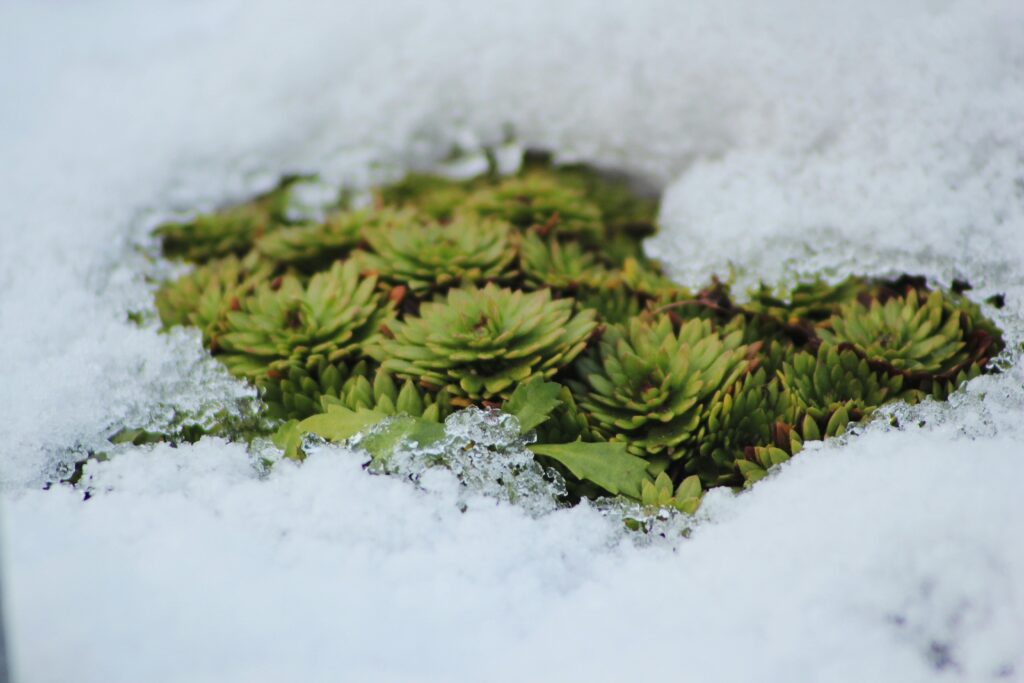
As winter approaches, preparing your garden for the cold months ahead is essential for its survival and for ensuring a lush, thriving space come spring. With these simple steps, you can winterize your garden and set it up for a successful season ahead.
Step 1: Clean Up Fallen Leaves
The first step in winter garden prep is clearing away those fallen leaves. While they may add a scenic touch to your yard, leaves can smother your lawn, blocking essential sunlight and air. Removing them prevents mold and disease from taking hold and keeps your lawn healthy. If the task seems daunting, professional leaf removal services can make it easier.
Step 2: Trim and Mow Your Lawn
Before winter sets in, give your grass one last mow. Trimming the grass a bit shorter than usual helps prevent mold and snow mold during the winter. A well-maintained lawn is more resilient, and cutting it before the snow falls sets the stage for a quicker recovery in spring.
Step 3: Fertilize and Aerate the Soil
Applying a winter-specific fertilizer provides your lawn with vital nutrients it needs to survive the cold. Aerating the soil before winter helps those nutrients reach the roots, promoting strong growth. If you’re unsure how to aerate or lack the right tools, hiring a professional lawn care provider can be a helpful option.
Step 4: Protect Your Plants
Winter can be tough on your shrubs and delicate plants, but you can shield them from the harsh conditions by mulching. A layer of mulch insulates the soil, preventing extreme temperature fluctuations and helping retain warmth. This simple yet effective step can prevent frost damage and keep your plants healthy through the winter.
Step 5: Prune and Water Your Garden
Pruning back overgrown branches and dead growth not only improves the appearance of your garden but also reduces the risk of damage from heavy snow or ice. Additionally, don’t forget to water your plants before the deep freeze. Even during winter, evergreens and certain other plants still need hydration to survive.
Step 6: Secure Garden Structures
If you have garden furniture, ornaments, or trellises, make sure to secure or store them properly. Snow and ice can damage these items, so taking the time to protect them now can save you the hassle and cost of replacement in the spring.
Step 7: Monitor for Pests
Winter can bring pests seeking refuge in your garden. Inspect your space for signs of infestations and take action if necessary to prevent damage to your plants and structures.
Step 8: Plan Ahead for Spring
While prepping your garden for winter, take the opportunity to plan for spring. Consider any changes or improvements you’d like to make once the weather warms up. Having a plan in place now will give you a head start when the snow melts and gardening season begins again.
By following these steps, you’ll ensure your garden is well-prepared for winter and ready to flourish when spring arrives.